How to Find Substack Influencers in Any Niche (2026 Guide)
Substack has grown into one of the most powerful platforms for niche thought leadership — but finding the right creators isn't as simple as searching a hashtag. This guide walks you through every proven method for discovering Substack influencers across any industry, from politics and finance to food and tech, using both manual strategies and AI-powered tools like Favikon.

How to Find Substack Influencers in Any Niche
Substack has quietly become one of the most valuable platforms in influencer marketing — and one of the most overlooked. While brands pour budgets into TikTok creators and Instagram sponsored posts, a growing number of high-intent buyers are getting their information from long-form newsletters written by trusted independent experts.
The challenge? Substack doesn't work like traditional social media. There's no unified follower count, no engagement rate dashboard, and no hashtag ecosystem to mine. Finding the right Substack influencer requires a different playbook entirely.
This guide covers everything you need: how Substack's creator ecosystem actually works, what makes a Substack influencer worth partnering with, and how to use both manual methods and AI-powered platforms like Favikon to find newsletter creators who can deliver real results for your brand.
1. Why Substack Influencers Are Different — and Valuable
Before jumping into tactics, it's worth understanding what makes Substack creators fundamentally different from influencers on every other platform — and why that difference makes them so effective for certain types of campaigns.
Direct Inbox Access
Every Substack post lands in a subscriber's email inbox. Unlike Instagram or TikTok, where the algorithm decides whether your content gets seen, Substack guarantees delivery. A creator with 5,000 Substack subscribers likely has a higher effective reach than an Instagram creator with 50,000 followers who achieves 3% organic reach.
When a Substack writer mentions your brand in their newsletter, every subscriber sees it. That's a fundamentally different value proposition from social media placements.
Authority-Driven Audiences
Substack attracts a different type of creator: journalists, academics, former executives, policy experts, and deep-niche practitioners. Their audiences follow them specifically for their expertise and point of view — not entertainment or viral content.
This means that when a Substack creator recommends something, their audience treats it more like advice from a trusted expert than a typical sponsored post. For B2B brands, professional services, premium consumer products, and any category where credibility and trust drive decisions, Substack partnerships can outperform social media campaigns significantly.
Long-Form Engagement
Substack readers choose to spend 5–15 minutes reading a single newsletter. The attention depth is incomparable to a 30-second TikTok. A well-integrated brand mention in a deeply read newsletter can generate more qualified interest than hundreds of social impressions.
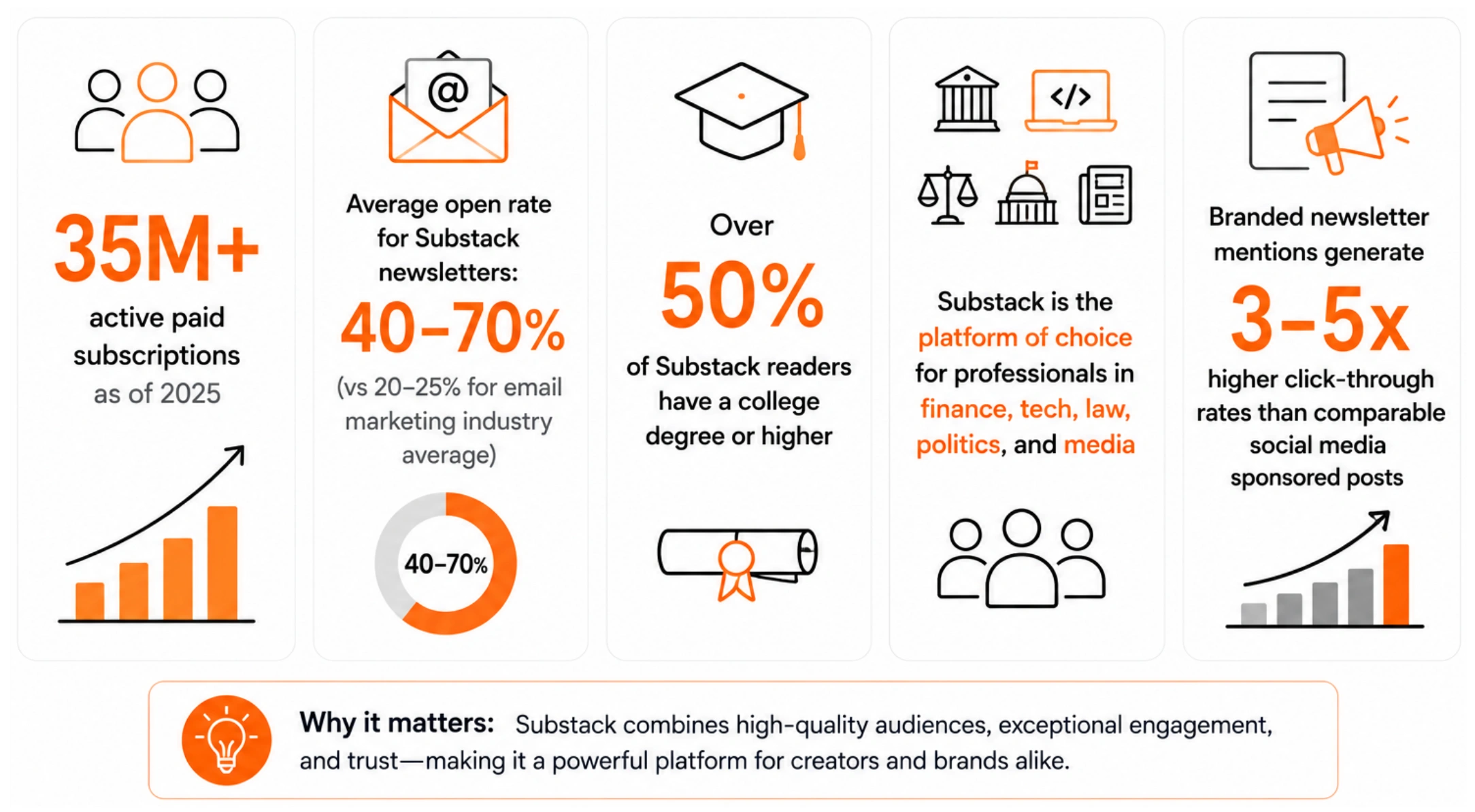
📊 Substack by the Numbers
2. Understanding Substack Creator Tiers
Unlike Instagram or TikTok where follower counts are visible and standardized, Substack subscriber numbers are often private. Evaluating creators requires looking beyond raw size to engagement signals and audience quality.
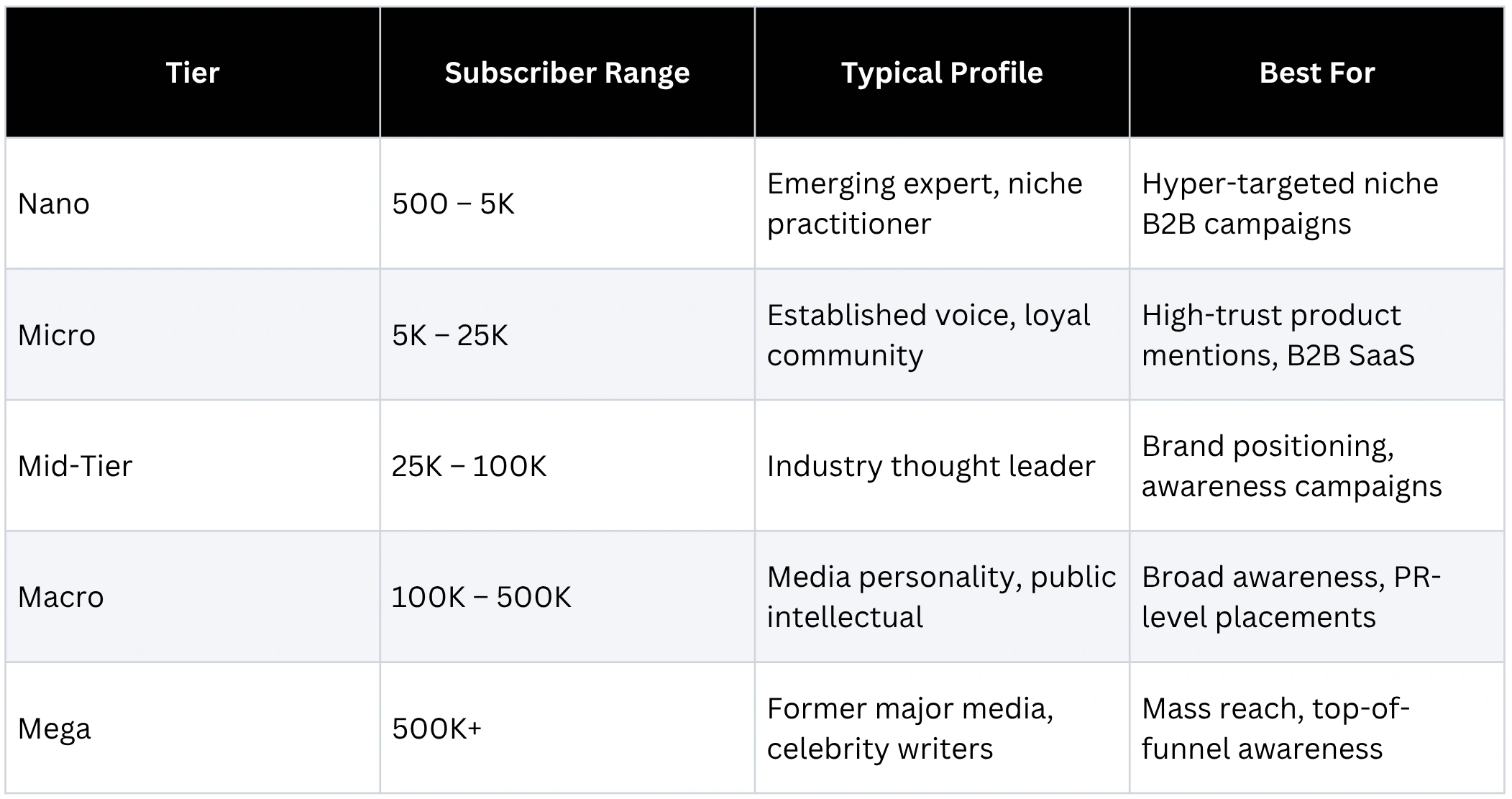
For most brands, micro to mid-tier Substack creators (5K–100K subscribers) offer the strongest ROI. Their audiences are highly self-selected around a specific topic, they have genuine trust with readers, and their rates are accessible. A single mention in a well-matched mid-tier newsletter can outperform a major social media campaign in terms of qualified traffic and conversion.
3. Define Your Goals Before You Search
Substack influencer marketing works best when your campaign goals are clearly defined before you start looking for creators. The right partner for a B2B SaaS awareness campaign looks very different from the right partner for a premium consumer product launch.
Questions to Answer Before You Start
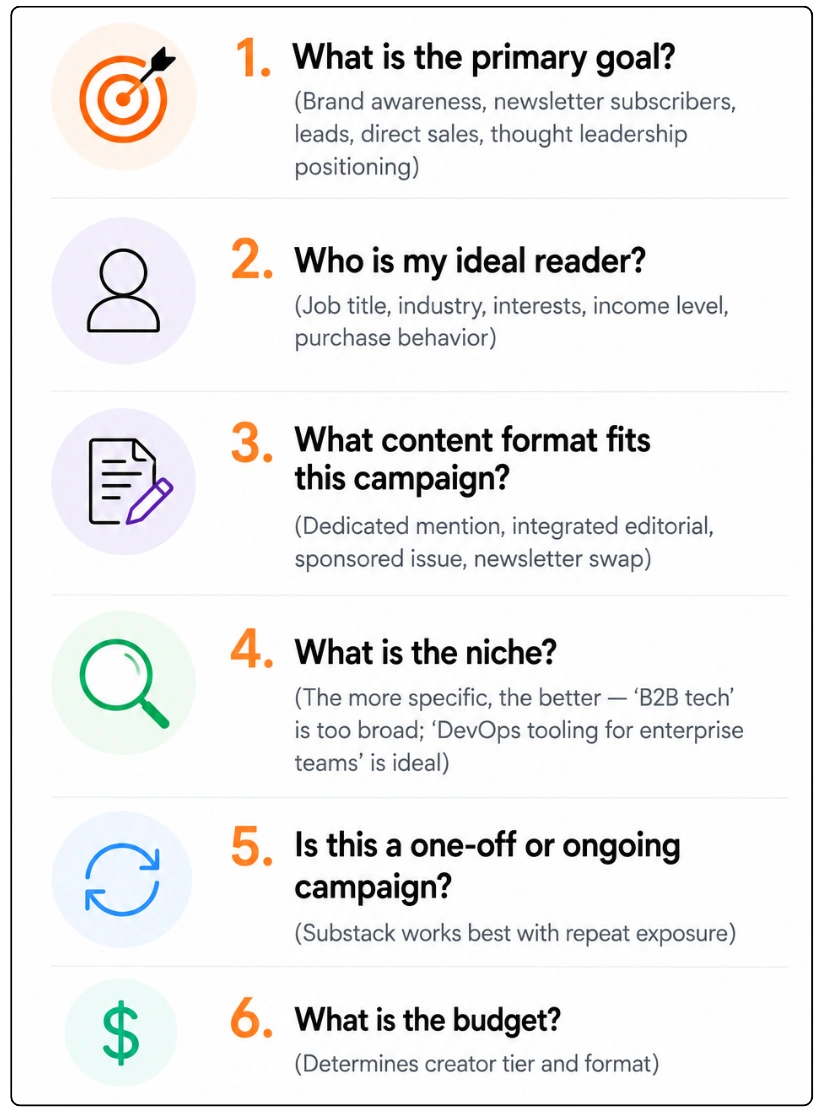
Pro Tip: Write an ideal creator brief before opening any search tool. Include: niche keywords, ideal subscriber range, audience demographics, content style preference (analytical vs. conversational vs. investigative), and any deal-breakers (competitor history, political content, etc.). This profile cuts search time in half.
4. How to Find Substack Influencers: 5 Proven Methods
Because Substack doesn't have a traditional creator marketplace, discovery requires combining multiple approaches. Here are the five most effective methods, ranked from fastest to most thorough.
Method 1: Use Favikon's Influencer Search Tool
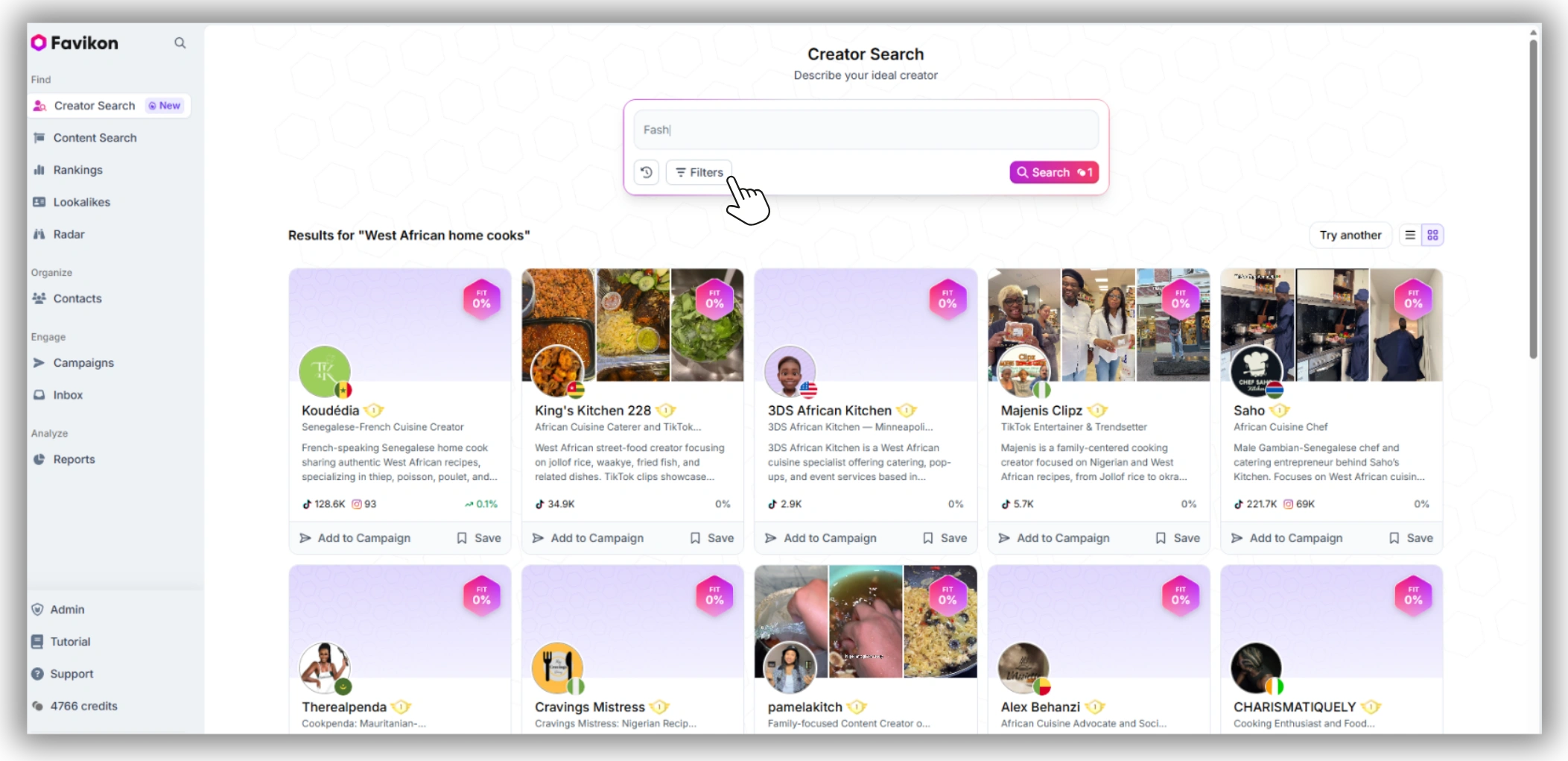
The most efficient way to find Substack creators at scale is through a platform built specifically for influencer discovery. Favikon's Influencer Search Tool indexes over 10 million creator profiles across all major platforms — including Substack newsletter writers across virtually every niche.
Here's how to use Favikon to find Substack influencers specifically:
1. Navigate to the Search/Discovery section in your Favikon dashboard
2. Open the Filters panel and select Substack under the Social Media filter
3. Select your target Industry (e.g., Business & Startups, Marketing & Sales, Finance, Food & Nutrition, Tech)
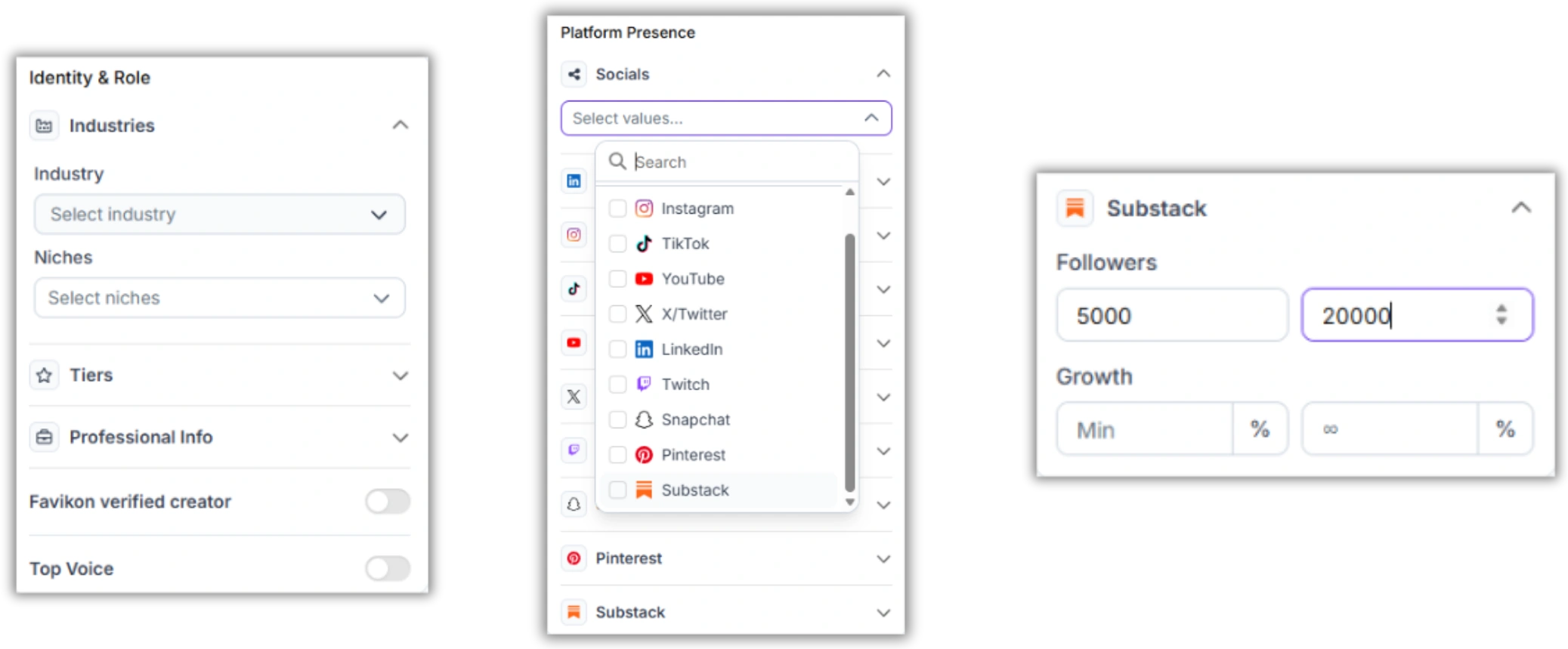
4. Set your preferred follower/subscriber range and engagement minimums
5. Add keyword filters to narrow by content topic or audience interest
6. Sort by Favikon Score (AI-powered quality metric) to surface the highest-performing creators first
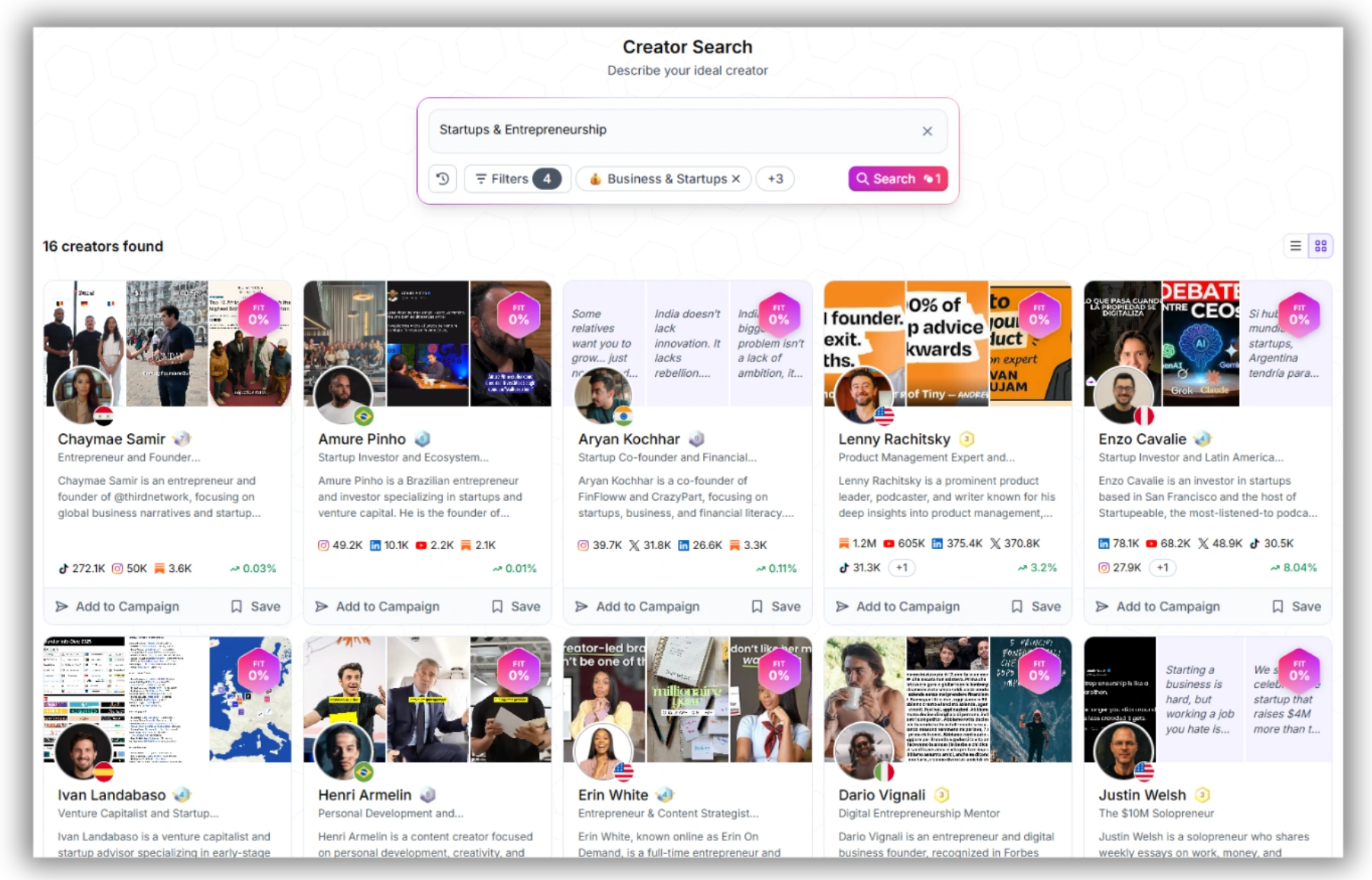
Each Favikon profile includes real-time analytics, audience demographics, posting frequency, past brand collaboration history, and Favikon's proprietary Authority Score. This lets you vet a creator in under two minutes rather than manually reading through multiple newsletters.
Access Favikon's full influencer database including Substack creators → favikon.com/features/influencer-database
Method 2: Use Substack's Native Discovery Features
Substack's built-in discovery tools are more useful than many marketers realize. Use these entry points:
• Substack Explore: Browse by category (Technology, Business, Politics, Culture, Health, Finance, Sports) — each category surfaces the most popular publications by subscriber engagement
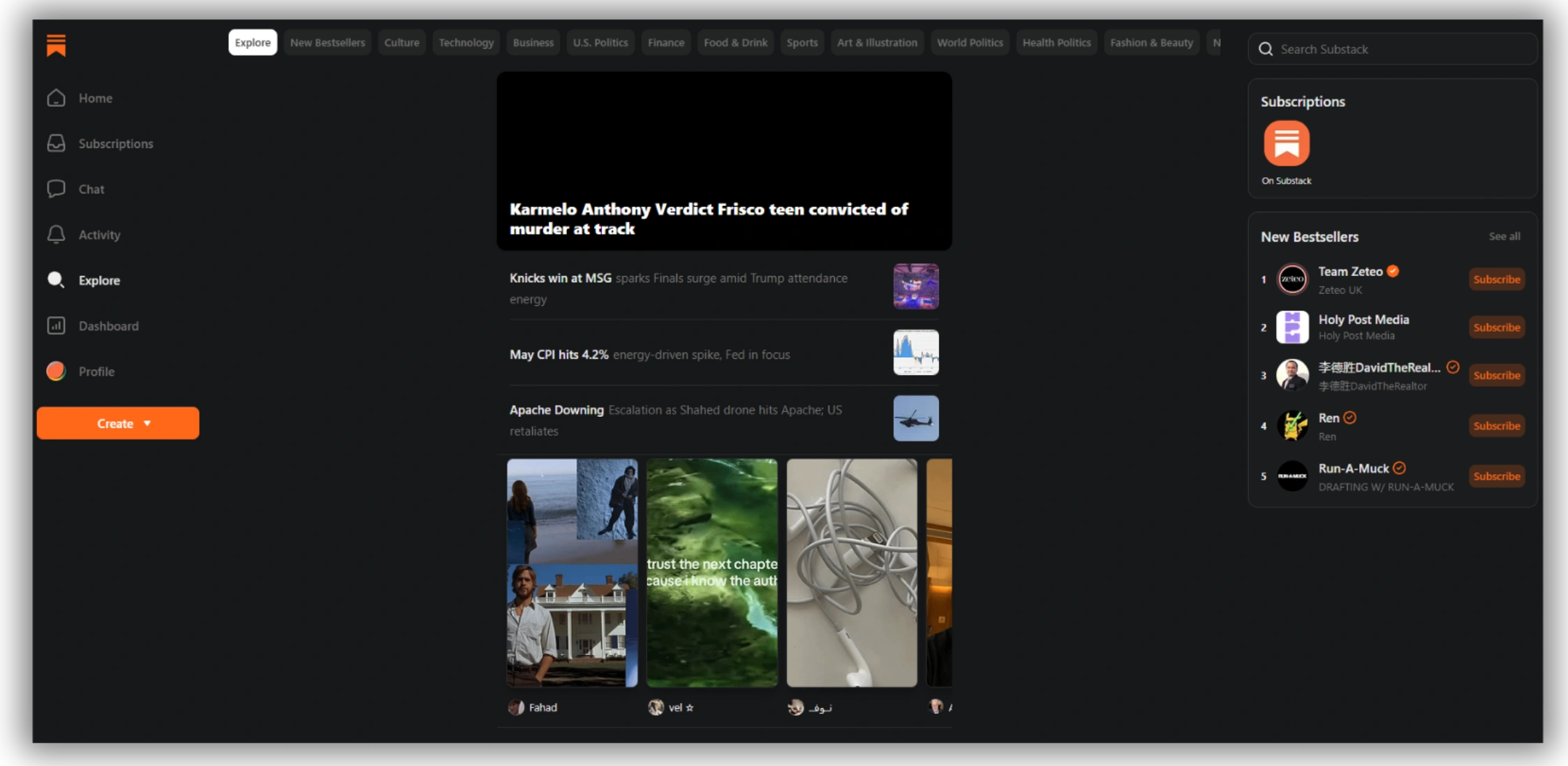
• Substack Leaderboards: Top-ranked publications in each category, sorted by subscriber count and growth velocity
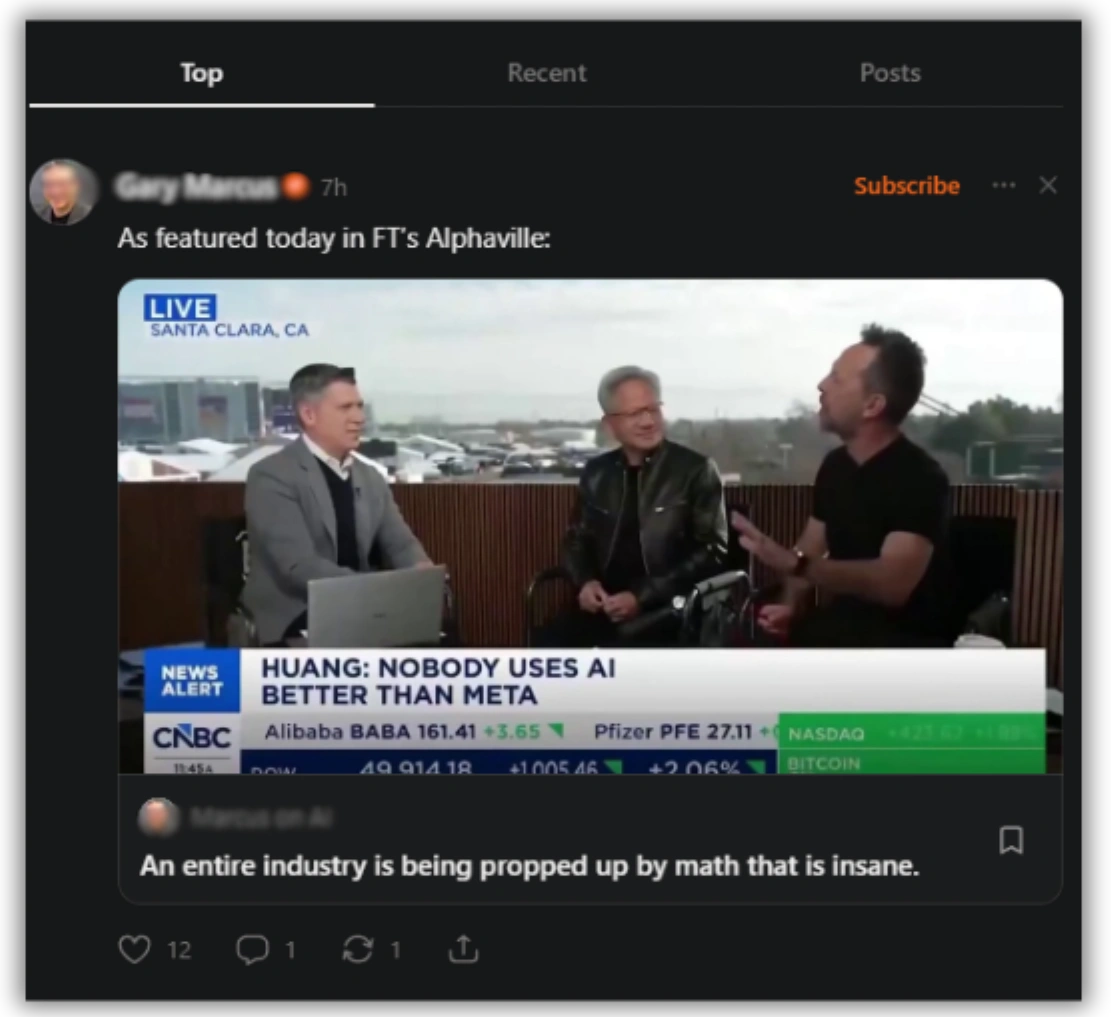
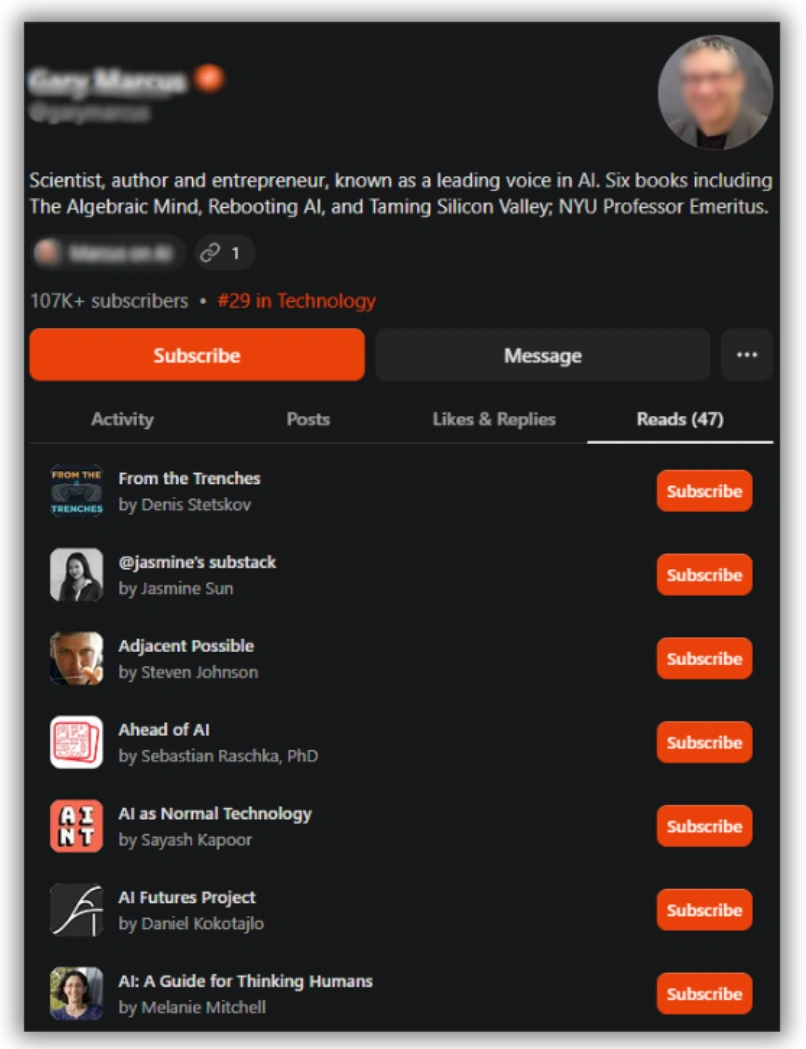
• Recommended Reading Lists: Top Substack writers curate lists of newsletters they recommend — these are essentially word-of-mouth endorsements that reveal quality creators in adjacent niches
• Substack Search: Search by keyword phrase (e.g., 'climate tech investment', 'founder mental health', 'EU regulation') to surface niche-specific publications that category browsing might miss
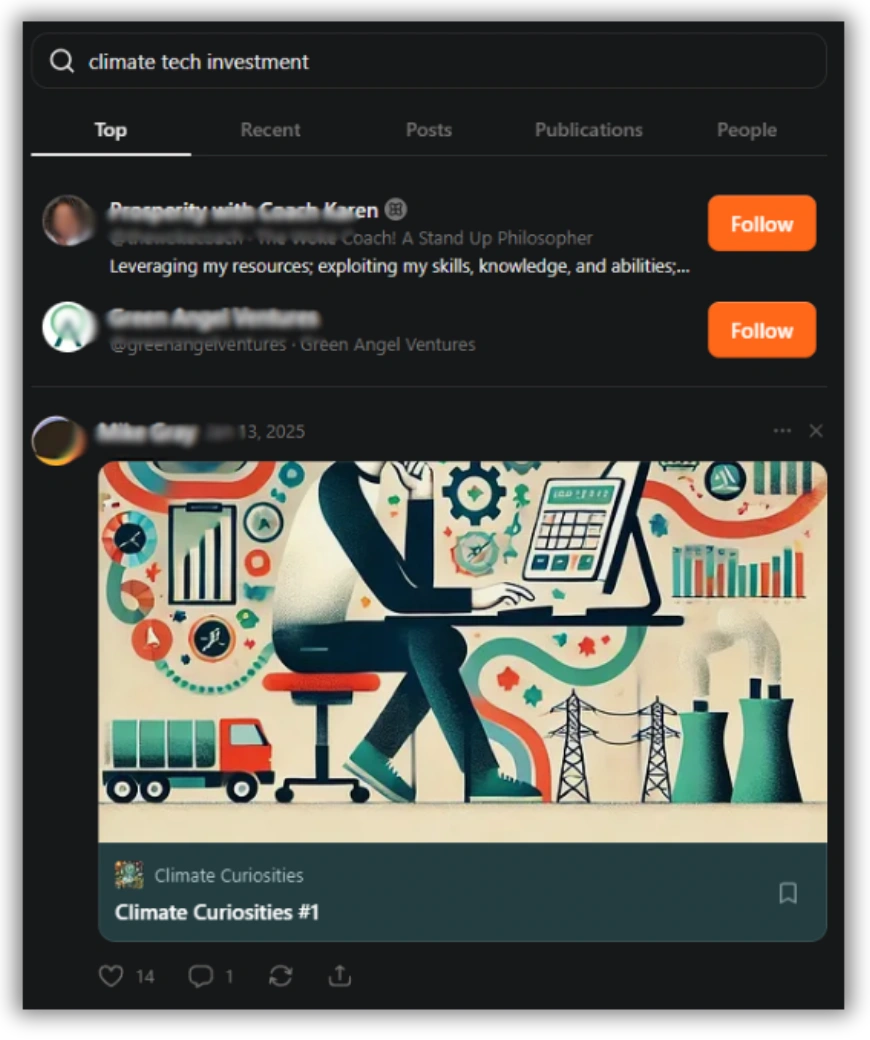
The limitation of native search is that it shows you subscriber volume, not engagement quality or audience demographics. Use it for initial discovery, then validate with a platform like Favikon's Analytics before reaching out.
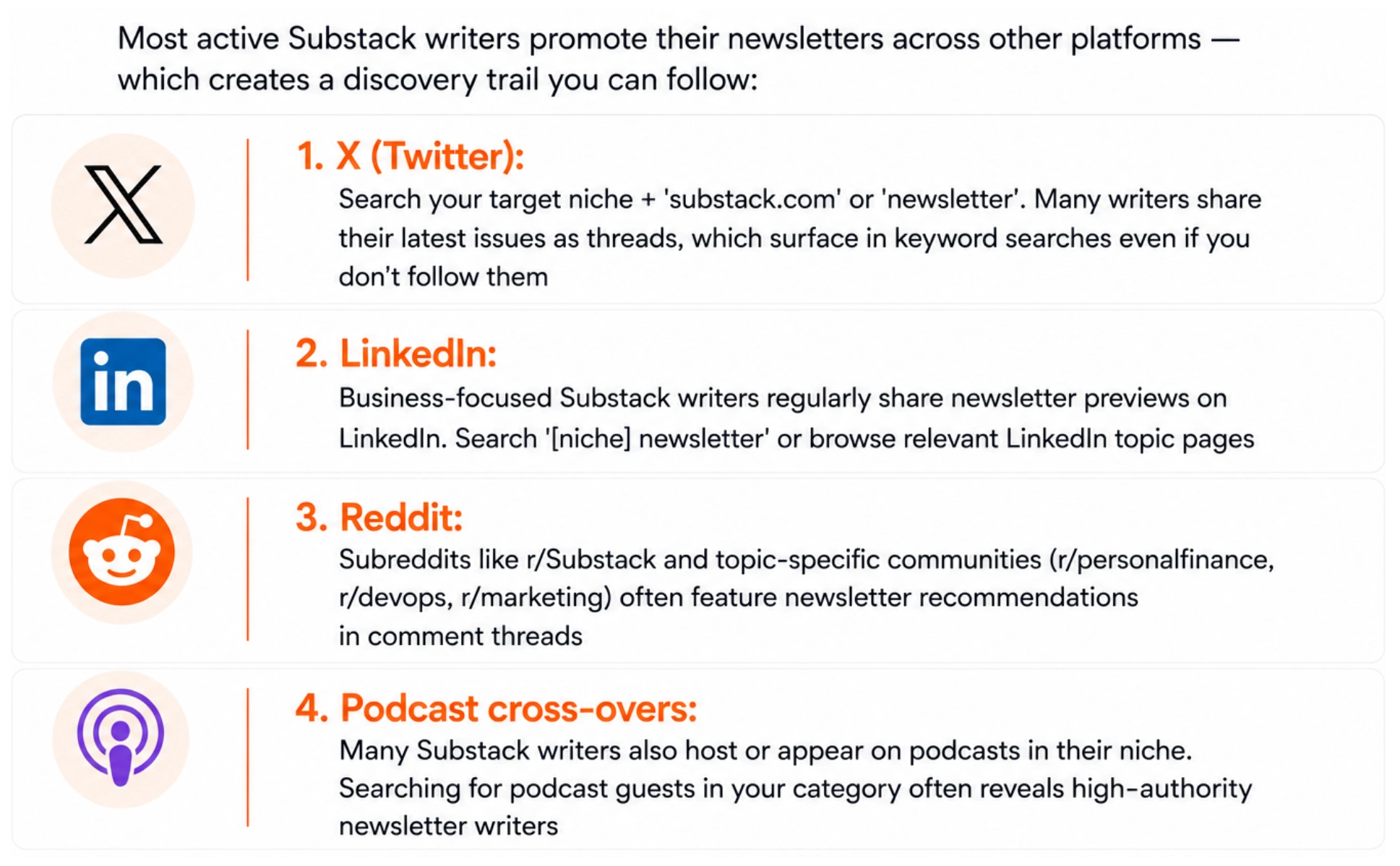
Method 3: Follow Social Media Cross-Promotion Signals
Most active Substack writers promote their newsletters across other platforms — which creates a discovery trail you can follow:
Method 4: Mine Competitor and Industry Networks
Competitive intelligence is one of the most reliable shortcuts in Substack discovery:
7. Identify 3–5 competitors who actively collaborate with newsletter writers
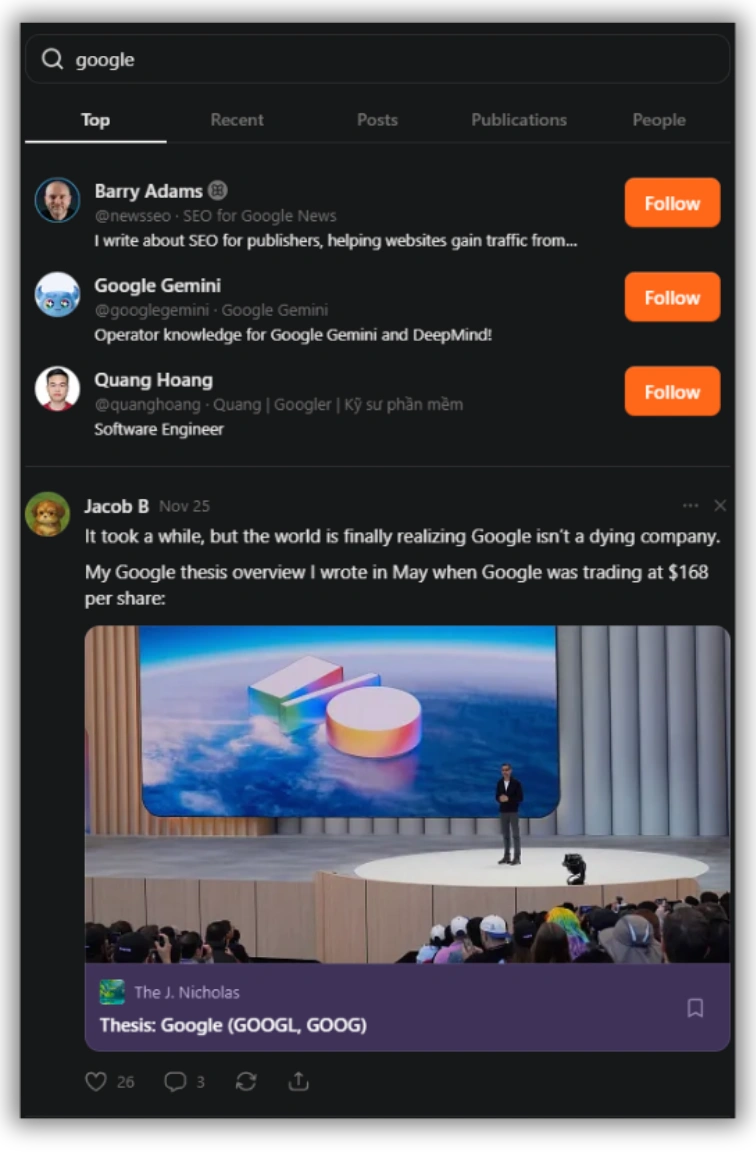
8. Search their brand name on Substack to see which publications have mentioned or featured them
9. Use Favikon's competitor analytics to see which creators are driving results for brands in your category
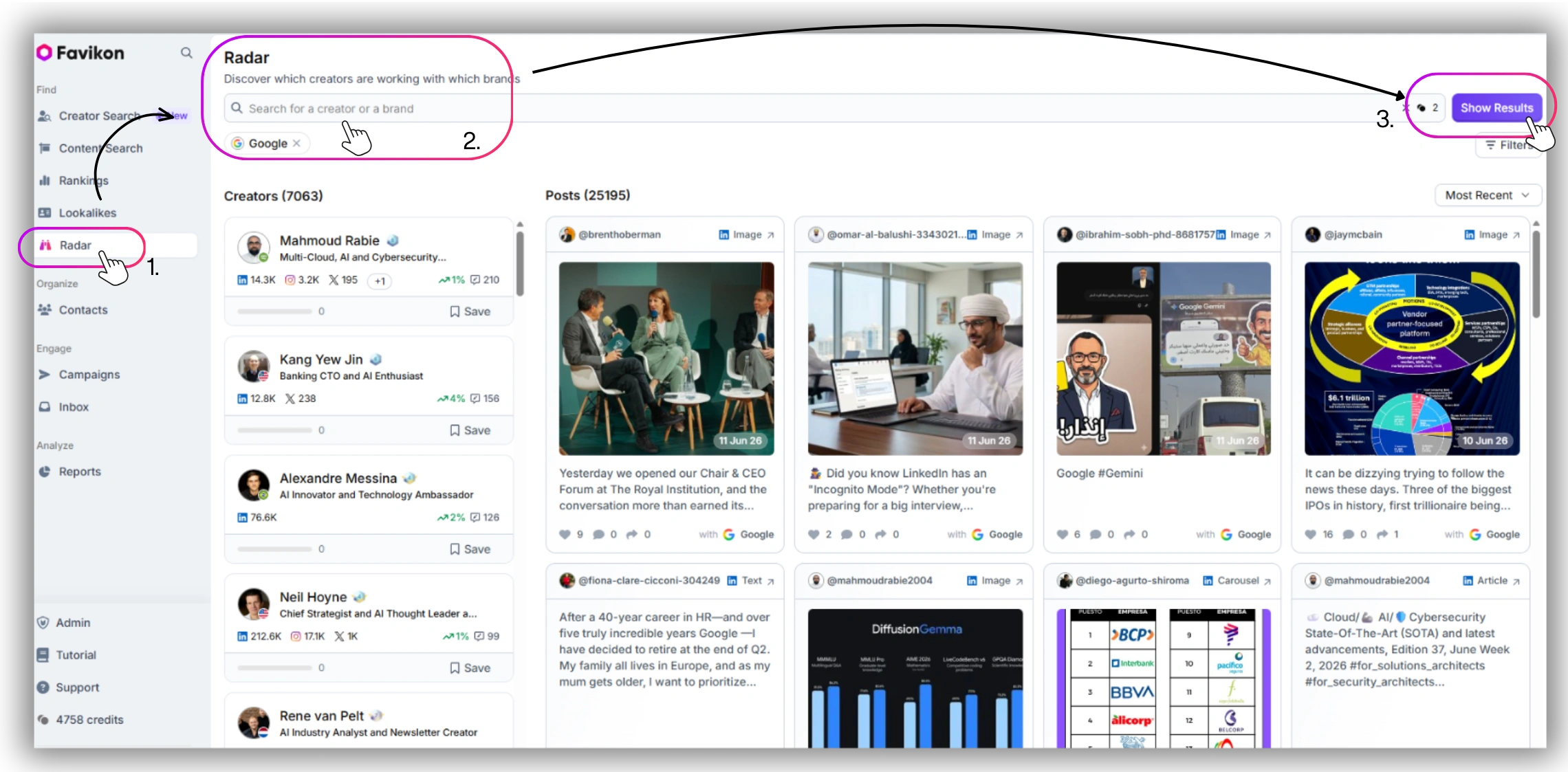
10. Subscribe to the most relevant publications you find — reading them is the fastest way to understand the audience and identify adjacent creators via their recommendation lists
Creators who've already covered your industry understand the audience's expectations and will require less briefing. Partnerships tend to be faster to execute and more authentic in output.
Method 5: Tap Your Existing Community
Some of the best Substack partners are already connected to your brand. Check whether any current customers, podcast guests, conference speakers, or LinkedIn connections run Substack newsletters in your niche. An existing relationship always produces more authentic content than a cold outreach partnership — and it's a starting point that scales naturally.
5. Practical Example: Finding Substack Influencers for a B2B SaaS Brand
Let's walk through a real scenario. You're marketing a project management tool for engineering teams. Here's how to find the right Substack influencers using Favikon.
Step 1 — Configure Favikon Search Filters
Open Favikon's Influencer Search Tool and apply these filters:
• Platform: Substack
• Industry: Technology / Business & Startups
• Niche: Software Engineering, DevOps, Product Management, Startup Operations
• Subscriber range: 5,000 – 75,000 (micro to mid-tier)
• Language: English
• Sort by: Favikon Score
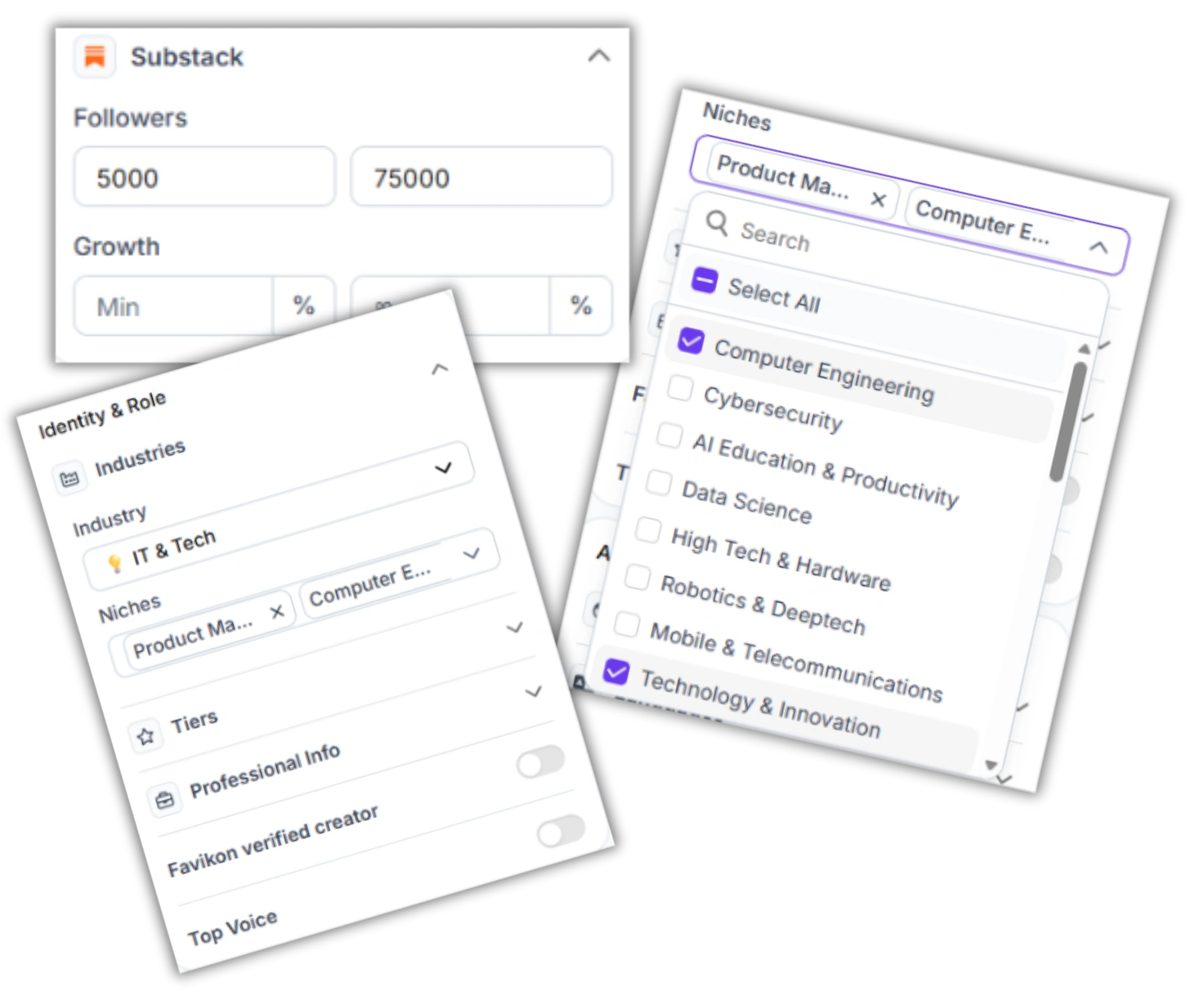
This surfaces a shortlist of verified Substack creators already writing for the exact audience your product serves — engineering leads, CTOs, startup founders, and product managers who are actively investing in their craft.
Step 2 — Validate Profiles with Favikon Analytics
For each creator on your shortlist, use Favikon's Analytics dashboard to review:
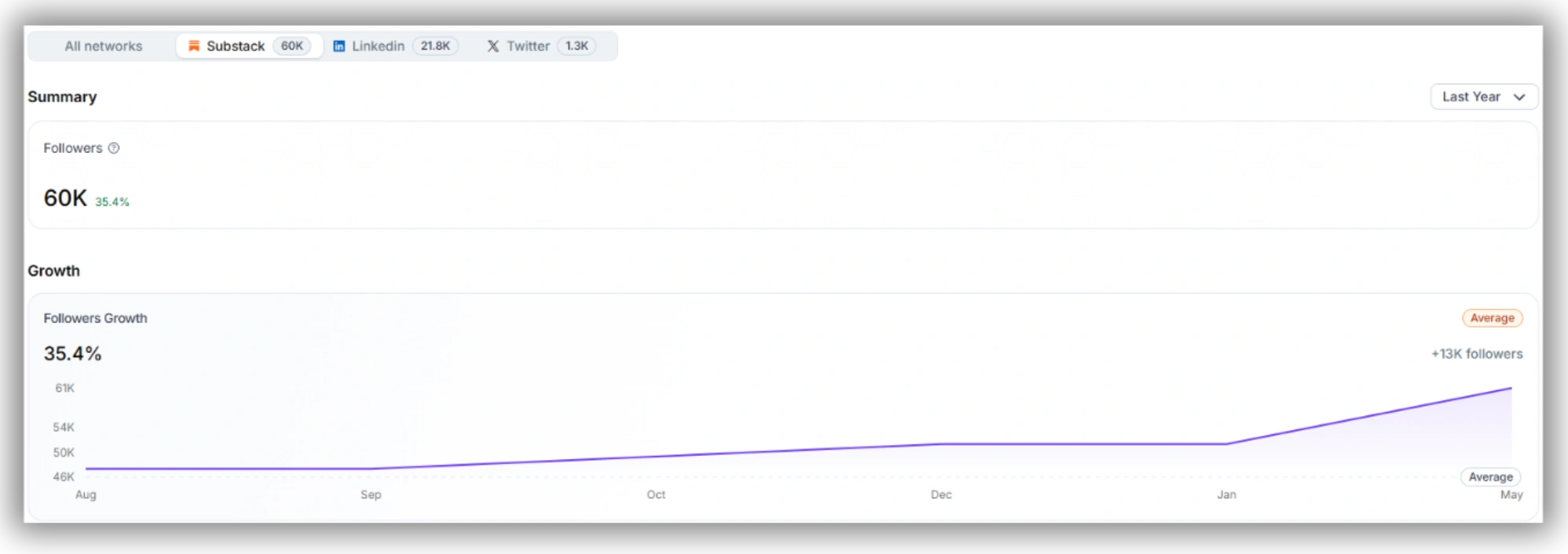
• Subscriber growth trajectory: Consistent growth signals an engaged, expanding audience
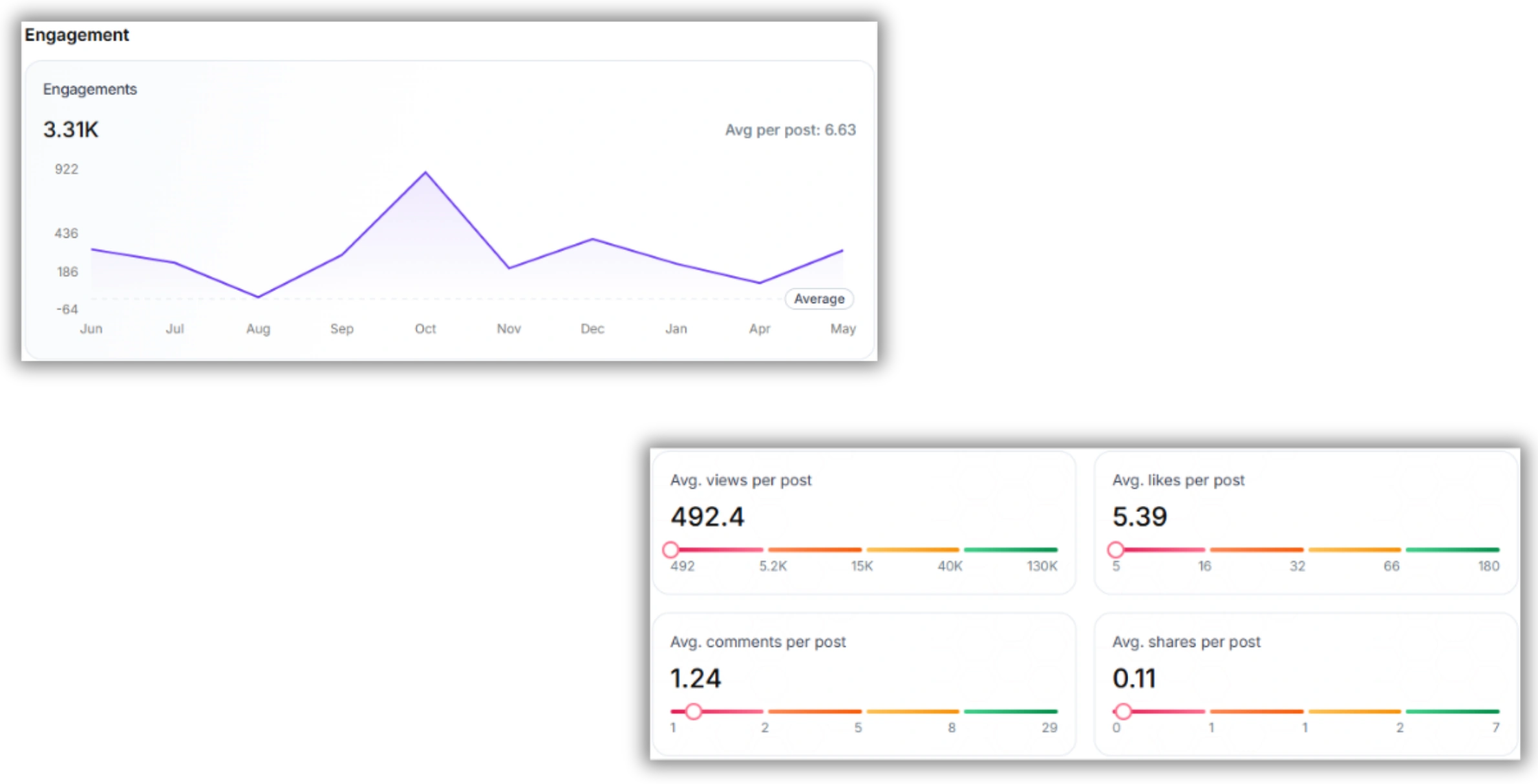
• Open rate and engagement signals: High engagement indicates readers who actively consume content
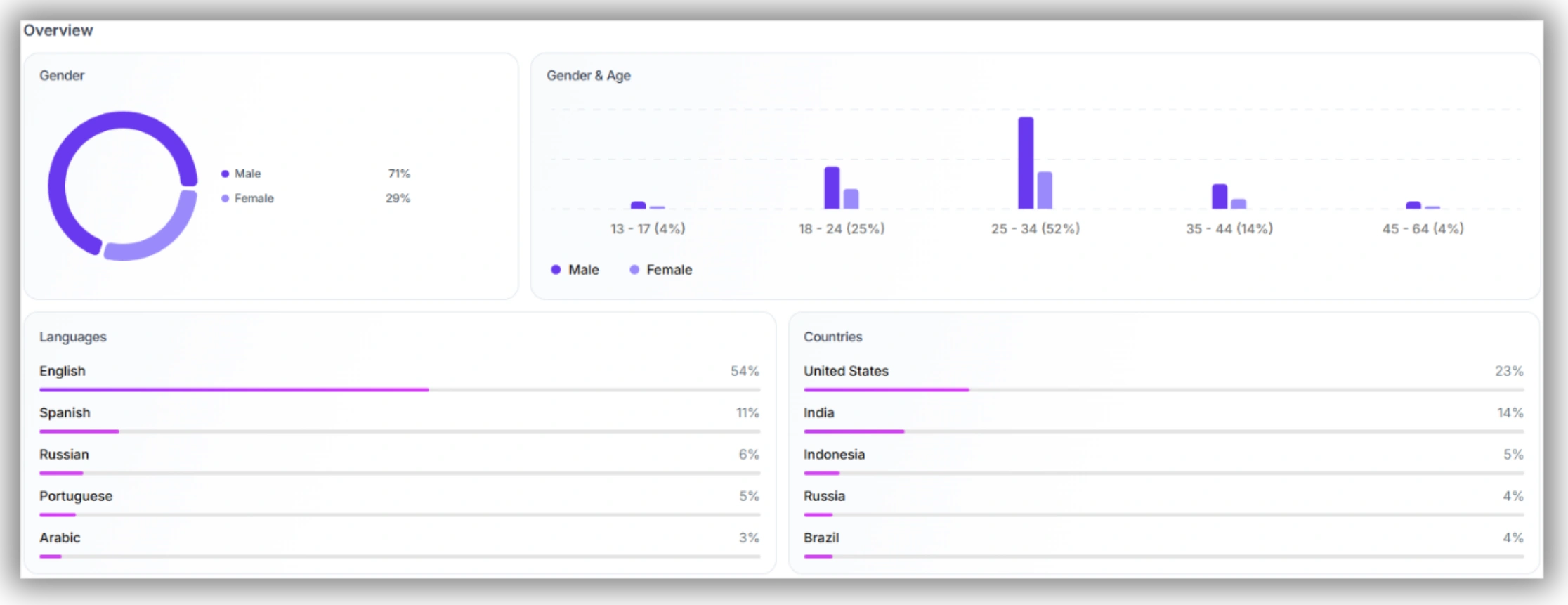
• Audience demographics: Confirm audience job functions, seniority, and geography align with your ICP
• Past brand collaborations: Have they worked with direct competitors? How was it received?
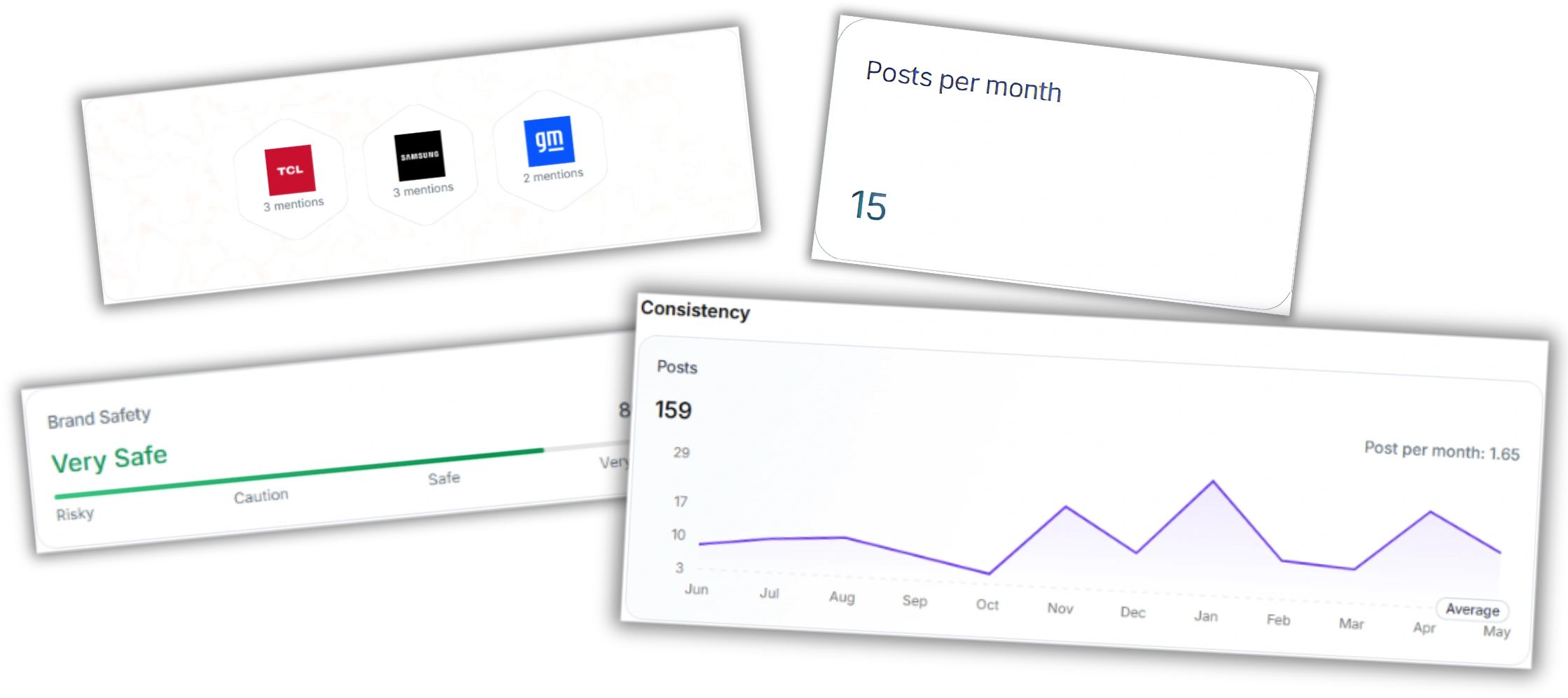
• Content consistency: Regular publishing cadence indicates audience reliability
Step 3 — Build Your Outreach List
Once you've validated 8–12 strong profiles, organize them by tier and estimated budget fit. Favikon's CRM features let you manage creator contacts, track outreach status, and organize partnership pipelines — so your discovery work converts efficiently into live campaigns.
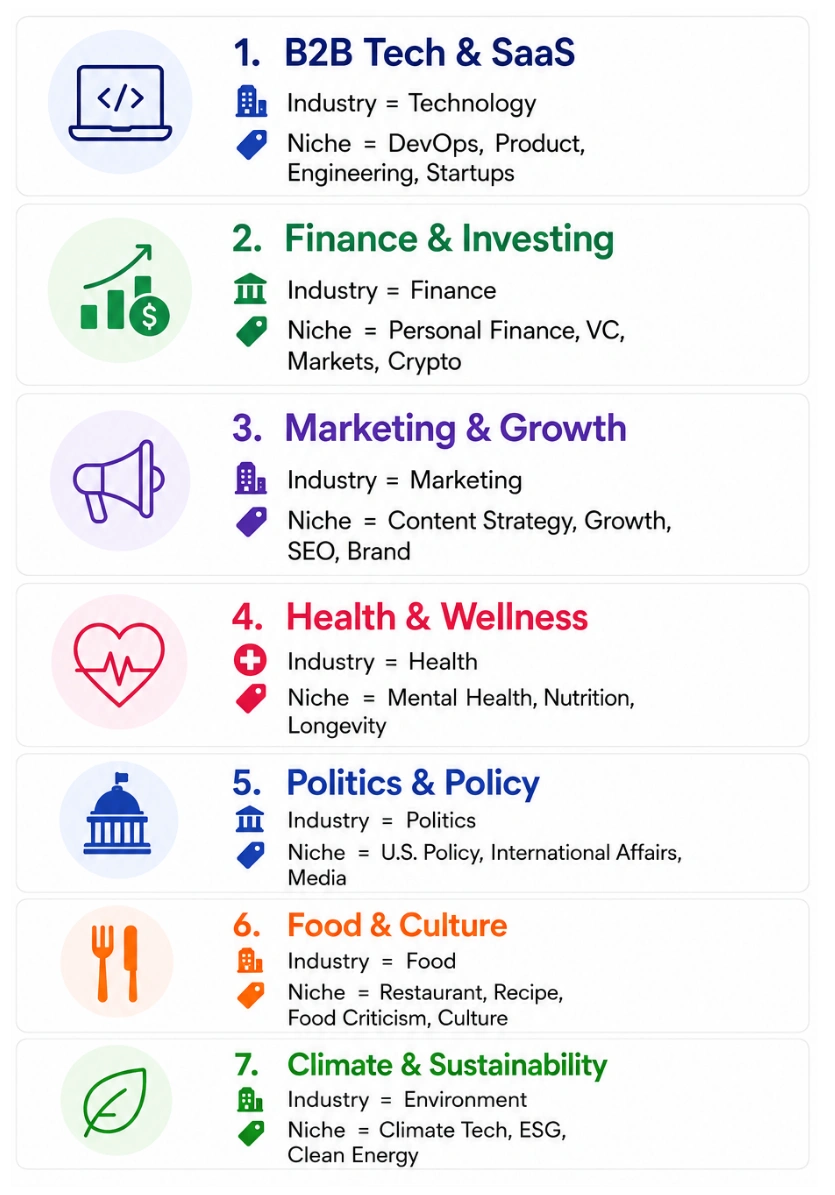
🎯 Quick Filters by Substack Niche:
6. How to Evaluate a Substack Creator Before You Partner
Because Substack lacks standardized public metrics, evaluation takes more judgment than other platforms. Here's what to look for before committing to any partnership.
Content Quality Signals
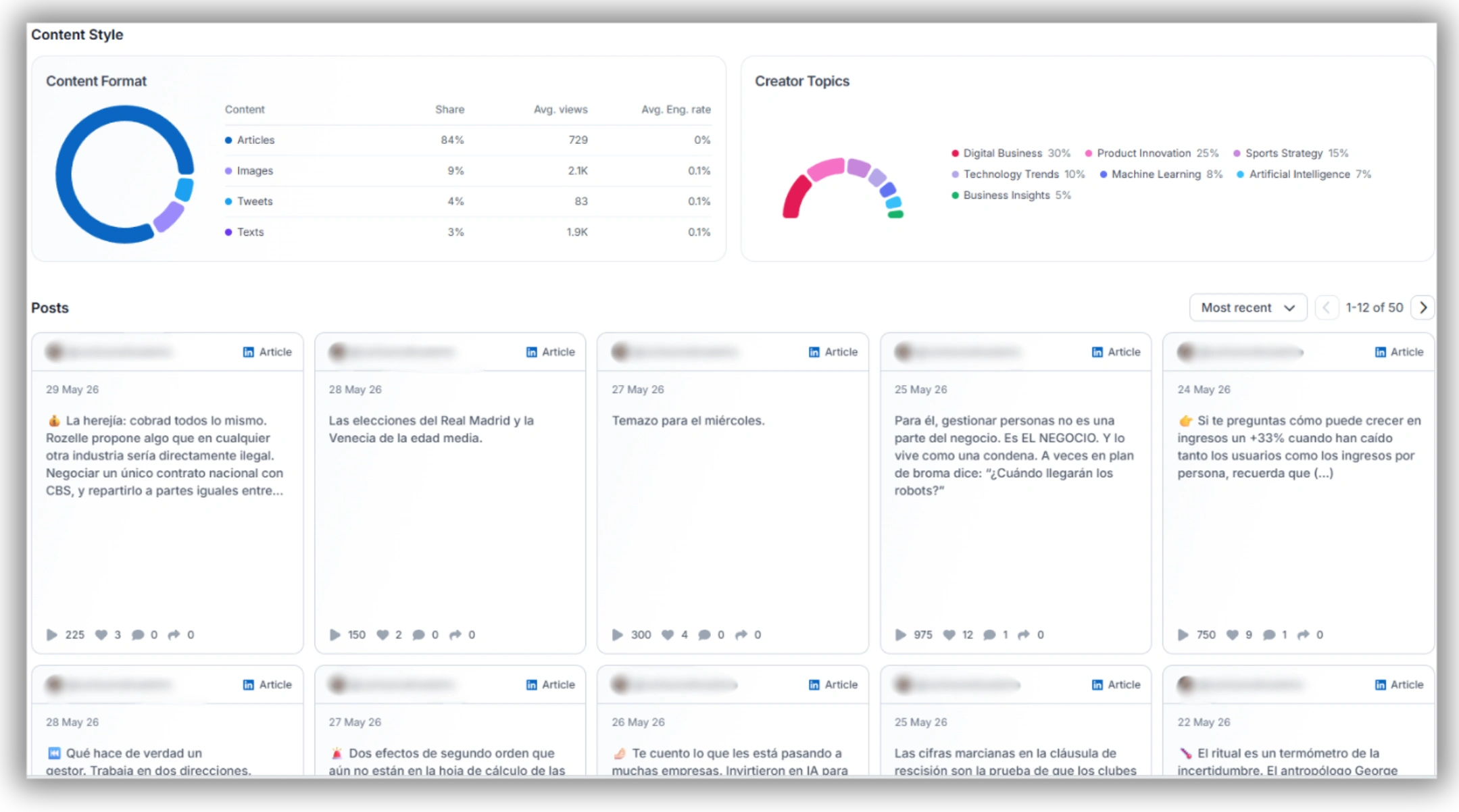
• Is the writing clear, substantive, and opinionated? Generic content rarely builds loyal audiences
• Does the creator have a consistent editorial voice and angle? Inconsistent positioning suggests audience confusion
• Are posts published on a regular cadence? Sporadic publishing indicates lower audience expectations and trust
• Do they handle past brand collaborations with integrity? Look for clearly disclosed partnerships that are still editorially honest
Audience Quality Signals
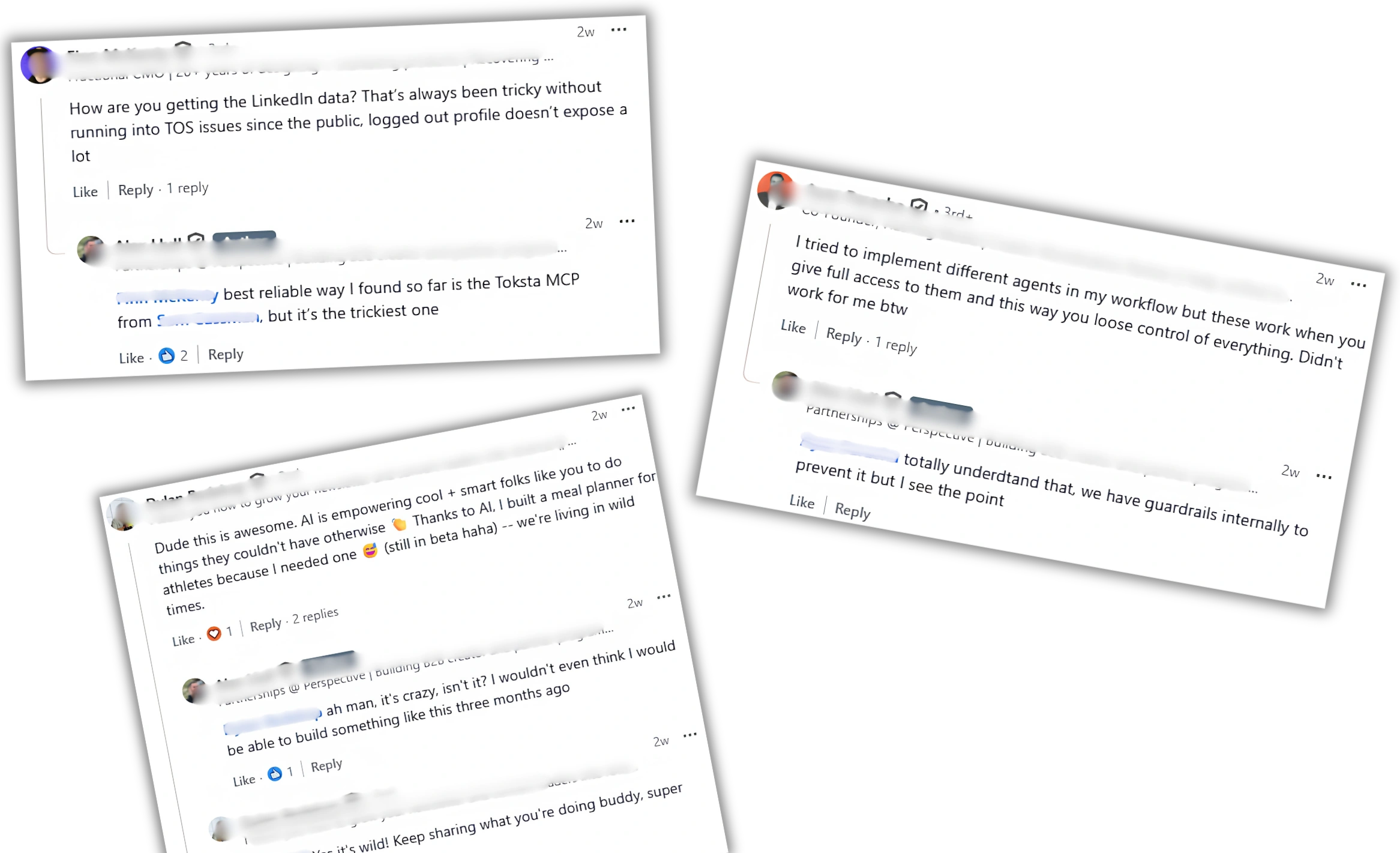
• Are there genuine comments and replies on posts? Long, thoughtful reader responses signal high engagement depth
• Does the creator engage back with their community? Active comment replies indicate an audience that feels heard and valued
• What is the ratio of free vs. paid subscribers? A high percentage of paid subscribers is a strong engagement quality indicator
• Use Favikon's analytics to verify that audience demographics match your target market before outreach
Brand Safety Signals
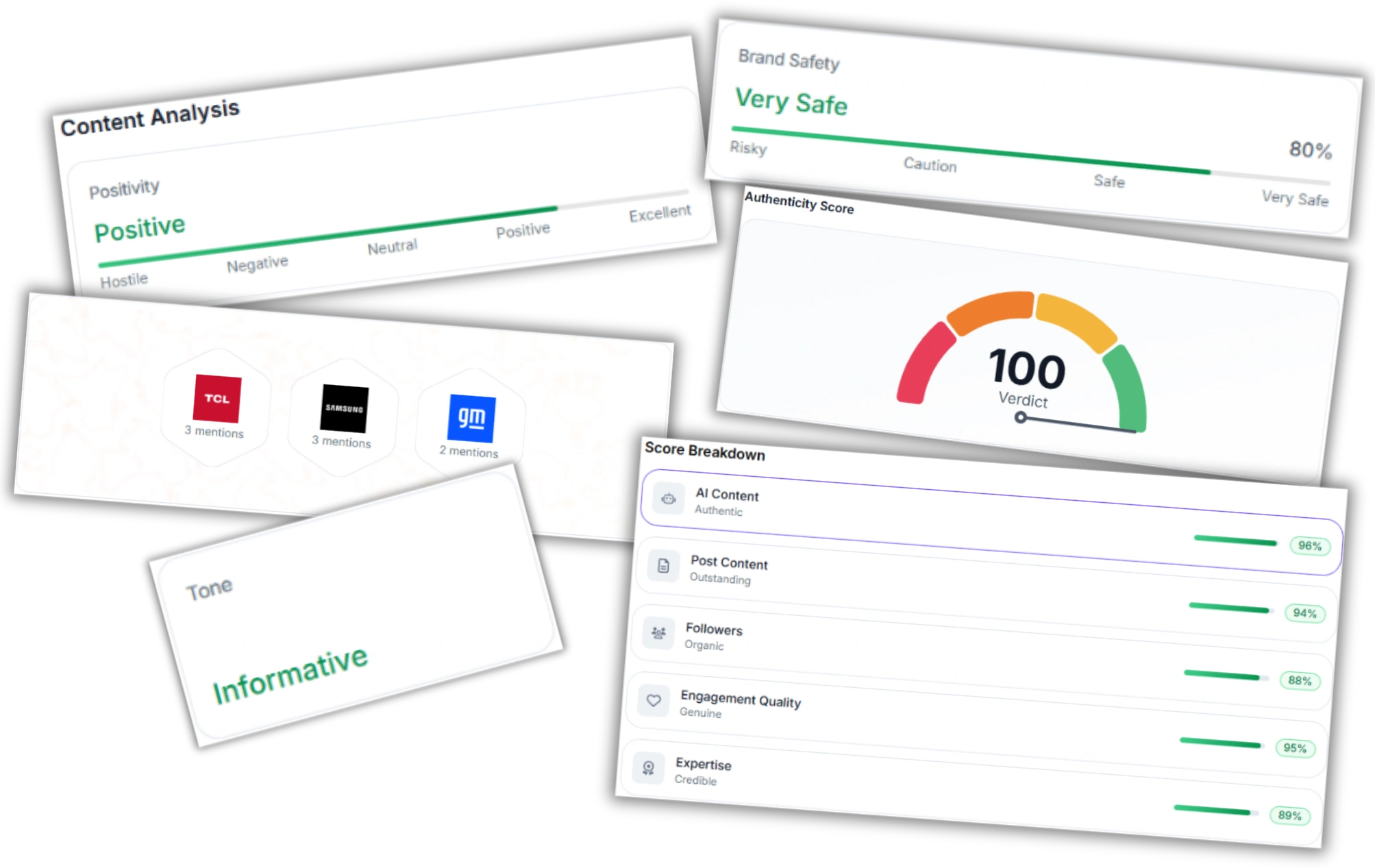
• Review the last 6 months of content for any positions that conflict with your brand values
• Check whether they've recently promoted direct competitors and how that content was presented
• Assess their tone: expert and direct is different from combative or polarizing — know which your brand can accommodate
Validate any Substack creator's profile, engagement signals, and audience data before reaching out
7. Partnership Formats That Work on Substack
Substack collaborations don't follow the same playbook as Instagram stories or TikTok integrations. These are the formats that work best on the platform — and what each is suited for.
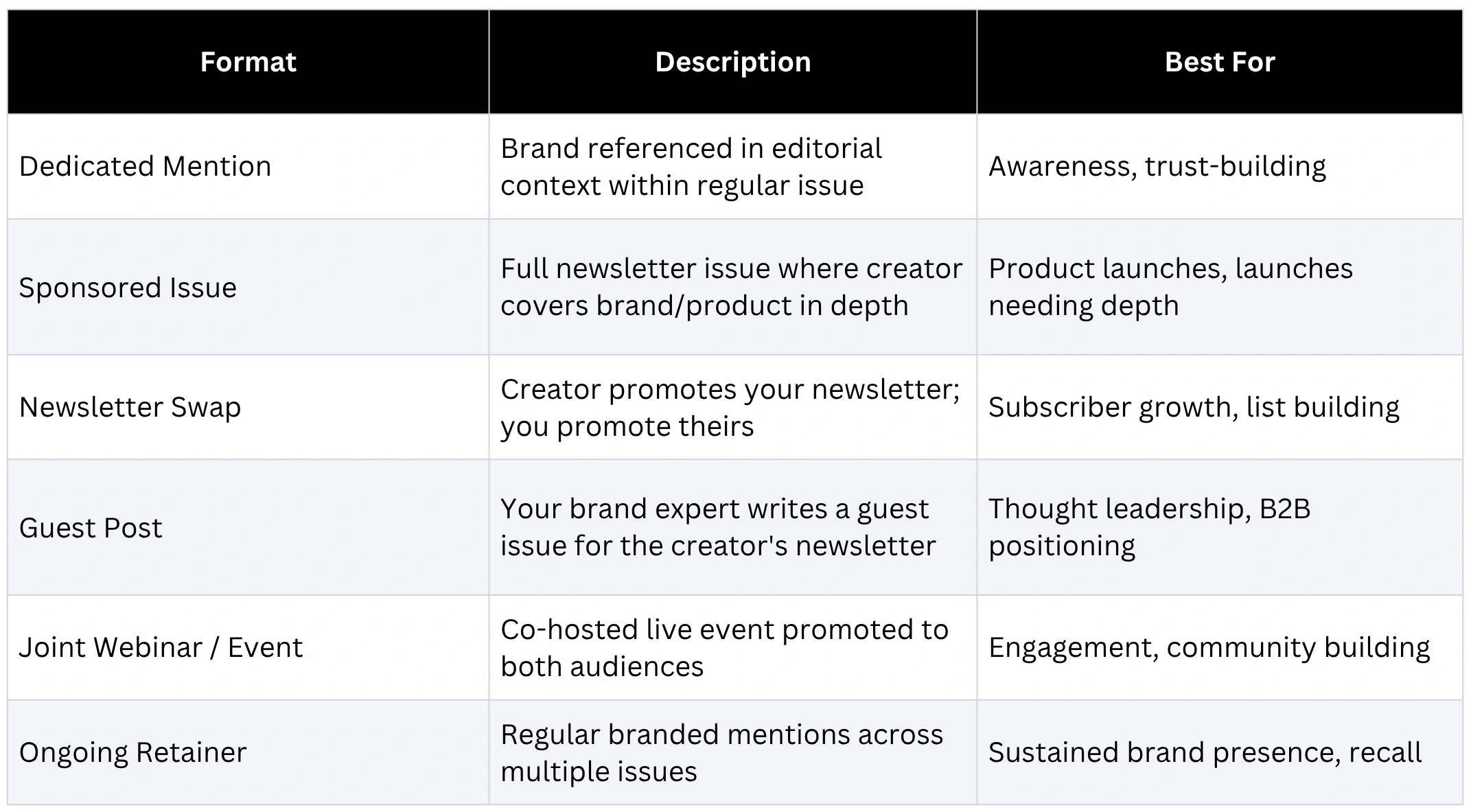
For most first-time Substack partnerships, a dedicated mention in an organic editorial context is the lowest-friction starting point. It respects the creator's voice, produces the most authentic outcome, and gives you a real performance signal before committing to larger collaborations.
8. How to Approach and Outreach Substack Creators
Substack writers are notoriously protective of their editorial independence — and for good reason. Their audience trusts them precisely because they aren't pushovers for sponsored content. Approach them accordingly.
Before You Reach Out
• Subscribe to their newsletter and read at least 4–6 recent issues before making contact
• Engage authentically: leave a thoughtful comment, share an issue, or reply to their email if they have it enabled
• Understand their audience deeply enough to articulate specifically why your brand would interest their readers, not just why it's relevant to the niche in general
Outreach Best Practices
• Reference a specific issue or argument they made that relates to your brand — generic openers get ignored immediately
• Lead with value for their readers, not your campaign goals — frame the collaboration in terms of what it adds to their audience
• Offer format flexibility: propose 2–3 options (mention, sponsored issue, newsletter swap) and let them choose what feels right for their publication
• Be transparent about budget early — Substack writers are professionals who value directness over vague 'let's explore a partnership' language
• Keep the outreach message to under 200 words — brevity signals respect for their time
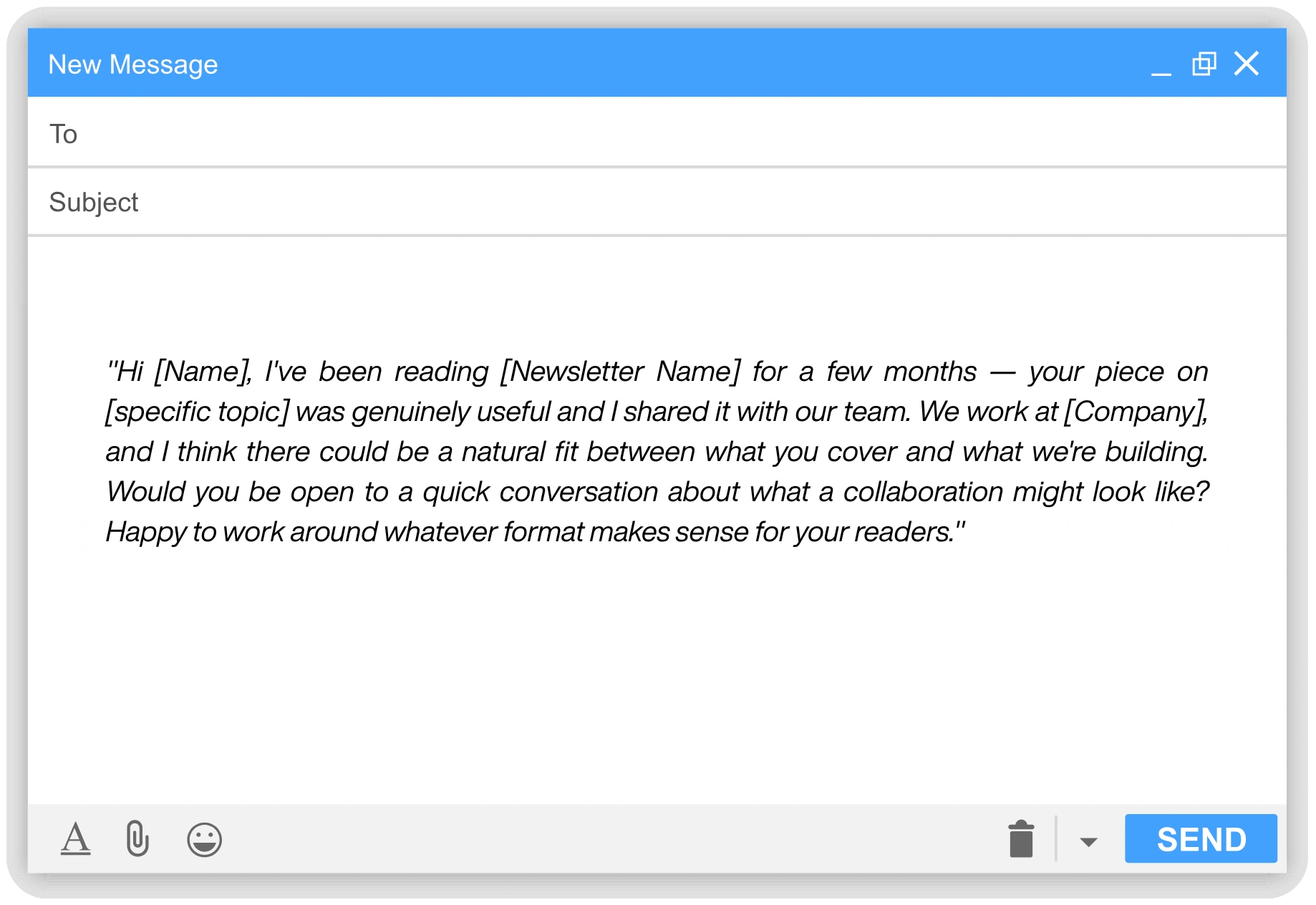
Template opener (adapt to your brand):
9. Measuring the Impact of Substack Partnerships
Substack doesn't have a built-in analytics dashboard for sponsors, which means you need to set up your own measurement framework. Here's what to track and how.
Direct Metrics
• UTM-tagged link clicks: Always provide the creator with a unique UTM link — this is your most direct performance signal
• Landing page conversions: Track sign-ups, trial starts, or purchases from newsletter traffic specifically
• Newsletter subscriber growth: If the campaign goal is list growth, track new subscribers attributed to the collaboration period
Indirect Metrics
• Branded search volume: Check for a lift in branded keyword searches in the days following a newsletter placement
• Direct traffic: Newsletter readers often type URLs directly rather than clicking — watch for direct traffic spikes
• Community signals: Are people mentioning your brand in the creator's comment section? This indicates organic interest beyond simple link clicks
What Good Performance Looks Like
Benchmarks vary by niche and creator tier, but a well-matched Substack placement typically delivers:
• Click-through rates of 3–8% on UTM links (vs 0.5–1% for typical display advertising)
• Conversion rates from newsletter traffic that are 2–4x higher than equivalent social media traffic
• Measurably higher time-on-site from newsletter-referred visitors, indicating genuine interest
Track, manage, and analyze your Substack creator partnerships with Favikon
10. Common Mistakes to Avoid
Even experienced marketers make avoidable errors when entering the Substack creator space. Watch for these:
.webp)
Conclusion
Substack represents one of the most underutilized channels in influencer marketing — a platform where audience trust is exceptionally high, content depth is unmatched, and the right partnership can drive more qualified results than campaigns with ten times the social reach.
The key is finding the right creators. Start by defining your ideal audience and campaign goals. Use Favikon's Influencer Search Tool to surface verified Substack creators across your target niche, validate each profile with real-time analytics, and approach every outreach with genuine familiarity with their work.
Prioritize authentic fit over vanity metrics. Build long-term relationships rather than single placements. And use Favikon's influencer database to make the discovery process scalable — so your team can spend more time building partnerships and less time searching.
FAQ: Finding Substack Influencers
How do I find Substack influencers in a specific niche?
The fastest method is using a platform like Favikon, which lets you filter by industry, niche, and platform (select Substack) to surface relevant creators. You can also use Substack's native Explore feature, browse niche subreddits, and search for '[niche] newsletter' on LinkedIn and X to find creators who are actively promoting their publications.
Are Substack influencer partnerships different from social media sponsorships?
Yes, significantly. Substack audiences have opted in to receive long-form content from a specific writer — their trust level and attention depth are much higher than typical social media audiences. Collaborations tend to work best when they're editorially integrated rather than visibly promotional. The format, tone, and pitch approach all need to match Substack's culture of authenticity.
How much does it cost to partner with a Substack creator?
Rates are less standardized than social media. Nano and micro creators (under 25K subscribers) may accept product collaborations for $100–$1,000. Mid-tier creators typically charge $1,000–$5,000 per dedicated mention or sponsored issue. Macro creators with 100K+ subscribers can command $5,000–$25,000+, especially in high-value niches like finance or B2B tech.
How do I know if a Substack creator's audience is genuinely engaged?
Look for active comment sections with substantive responses (not just 'great post!'), a healthy ratio of paid subscribers to free subscribers, consistent publishing frequency, and whether the creator replies to reader comments. Use Favikon's analytics to verify engagement signals and audience quality before committing budget.
Can Favikon find Substack creators specifically?
Yes. Favikon's Influencer Search Tool includes Substack as a selectable platform in its discovery filters. You can combine the Substack filter with industry, niche, follower range, and keyword filters to build a targeted creator shortlist. Each profile includes analytics and Favikon's proprietary quality score to speed up your evaluation process.
Is Substack influencer marketing only for B2B brands?
No — while B2B brands see particularly strong results due to Substack's professional audience concentration, consumer brands in premium categories (food, wellness, personal finance, fashion, travel) also find excellent creator matches. The key is finding newsletters whose readership matches your buyer profile, not just the content category.
Also See 👀
🏆 How to Find Instagram Influencers in Your Niche
How to Find TikTok Influencers in Any Niche
How to Reach Out to Influencers
Others articles