How Notion & Klaviyo Run LinkedIn Influencer Marketing
Want to know how Notion and Klaviyo run LinkedIn influencer campaigns? This playbook breaks down Brendan Gahan’s strategy for driving awareness, leads, and scalable B2B creator partnerships.

The LinkedIn Influencer Strategy Used by Notion and Klaviyo
A special thanks to Creator Authority for making this breakdown possible.
Brendan Gahan has run LinkedIn influencer marketing campaigns for brands like Notion, Klaviyo, Sprout Social, and Upwork. His process is more systematic than most people expect and considerably different from how B2C influencer marketing works.
Here's the full playbook, step by step.
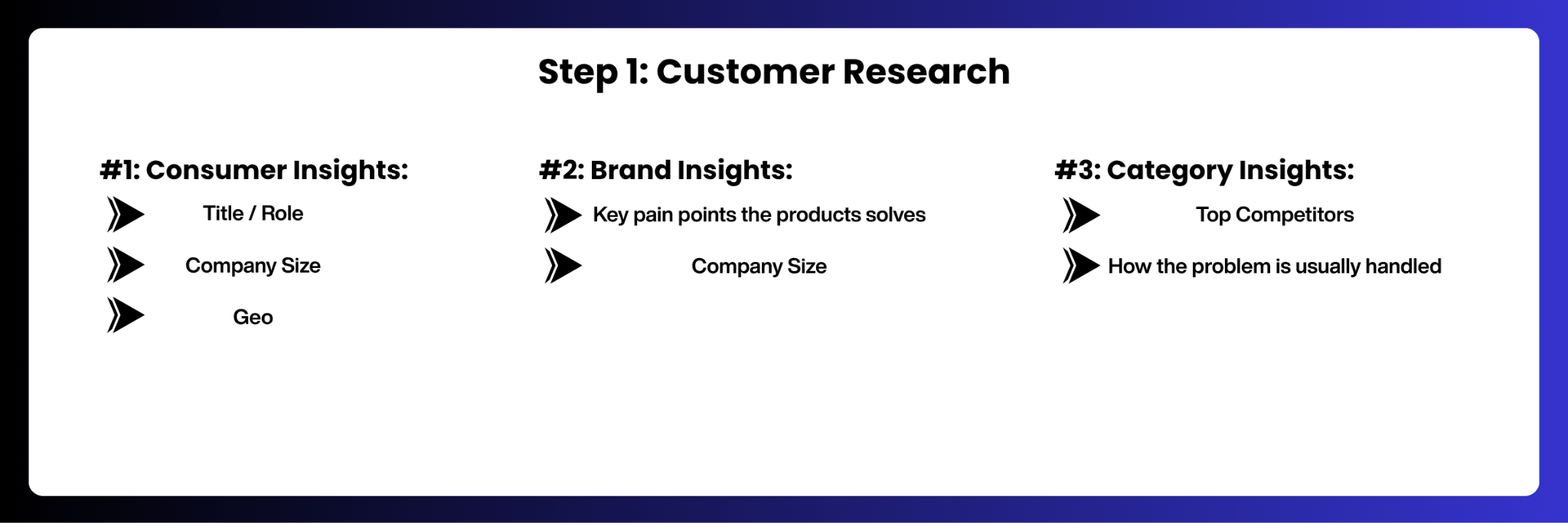
Step 1: Customer Research
Before you touch a creator brief or even think about campaign concepts, you do customer research. Consumer insights, brand insights, category insights. That's where everything starts.
The reason is simple: those insights are what drive your creative and creator strategy. If there's something psychographic about your audience, or a clear brand differentiator relative to the competitive set, that's what you lean into.
Pro Tip: Identify the one thing your product has that nobody else has. That's your anchor for the whole campaign.
Step 2: Define a Campaign Goal (Pick One)
"In an ideal world, every campaign can do everything. The reality is you can do anything, but you can't do everything."
Pick one goal. Not two. One.
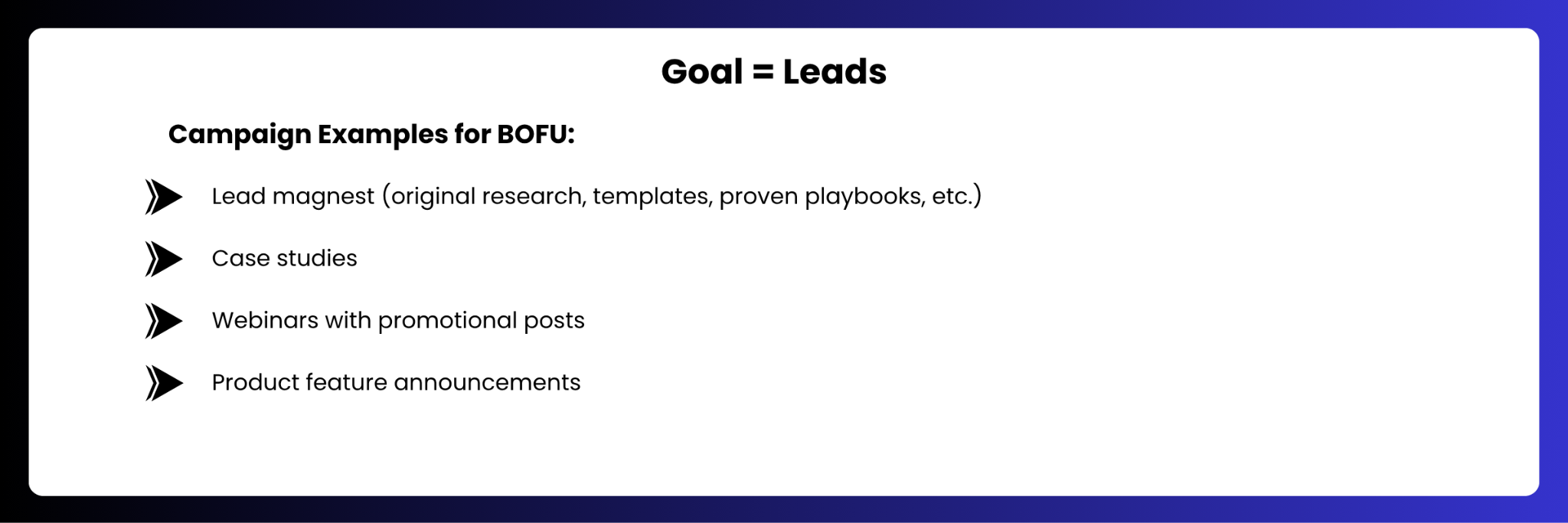
If your goal is leads:
- Lead magnets, case studies, co-created research papers, webinars with promotional posts
- Product feature announcements tied to a creator's audience
If your goal is awareness:
- Something novel, disruptive, newsworthy
- Educational content around industry pain points
- Comedic skits, meme content
- Anything splashy, like Notion's Faces campaign
- This kind of campaign is "one and done." It doesn't need to be full-funnel

Step 3: Build a Campaign Concept
Once you have your goal, you sketch a rough concept. It doesn't need to be final. It just gives you a direction.
For a leads-focused campaign, the best concepts usually involve co-creation. A research paper where the creator contributed to the insights. A 30-day course built around how the creator actually used your product. A lead magnet that features the creator's voice throughout, not just their face on the thumbnail.
The key is that the creator's audience has to find the lead magnet genuinely useful on its own. The creator just makes it more credible.
Pro Tip: Co-create the content with the creator. The more their fingerprints are on it, the more their audience trusts it.
Most expert-level creators on LinkedIn don't have massive audiences. That's fine. The content gets boosted through paid media anyway.
Using Favikon’s influencer campaign management tool can help streamline creator collaboration, approvals, and campaign tracking throughout the process.
Step 4: Pick the Right Creator
Priority one is genuine industry expertise. Not follower count. Not vanity metrics.
Brendan doesn't factor follower count into creator selection at all. He looks at impressions, but only when figuring out budget. Everything else is about whether the creator has real credibility in the category and whether their audience actually trusts them.
The reason: the whole model runs on paid media amplification. Thought leader ads on LinkedIn are coming in at 15 to 20% of the average LinkedIn CPM, sometimes less. Your investment goes a lot further when you're boosting content the audience already trusts rather than running cold ads from scratch.
When you're doing creator selection on Favikon, look for three things: does the creator match the ICP you're targeting, do they have genuine category expertise, and is their Authenticity Score high? A high Authenticity Score means they're not using engagement pods, not over-relying on AI to generate content, and their engagement is real.

Run this exact playbook without the spreadsheets
Favikon's B2B Influencer Marketing Platform gives you creator discovery, Authenticity Scores, outreach, and campaign tracking in one place — everything Brendan's process needs, minus the manual work.
→Explore the B2B Influencer Marketing Platform
Step 5: Outreach
Keep it short. Large creators get dozens, sometimes hundreds of pitches. Lead with what you're doing, why it's relevant to them, and what you're asking for.
Something like: "Hi [name], I've seen a lot of your content on [topic] and wanted to reach out. We'd love to do a paid partnership with you to promote [product]. Interested in learning more?"
That's it. Follow up multiple times. Response rates are low. It's a volume game.
As soon as they reply, get them on a call.
Pro Tip: Use Favikon to reach out hundreds of creators in one go - personalized and automated follow up.
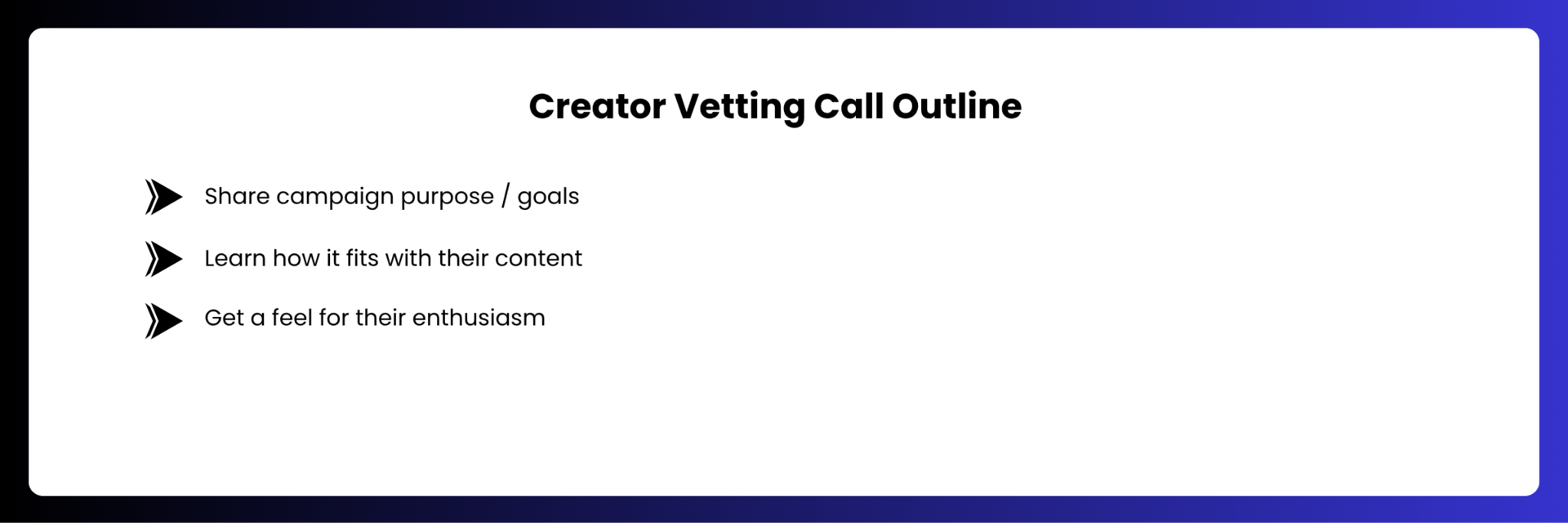
Step 6: The Vetting Call
On the call, you cover three things:
- Give them context on the campaign: what the goal is, what the ask looks like
- Learn about them: what they have in the pipeline, what their content schedule looks like
- Get a read on their excitement level
The excitement matters a lot. "The more genuine excitement there is, the easier the whole thing is and the happier everyone's going to be." If they're lukewarm on the concept, that usually shows up in the content.
Step 7: Budgeting and Pricing
Start from your own business economics. How much can you afford to pay for a lead? Once you know that number, you can ask the creator if they have any historical data from similar campaigns.
Pricing varies a lot based on: follower count, engagement rate, growth rate, vertical, whether they're a subject matter expert versus a general creator, whether they're cross-platform (if they're big elsewhere, their minimums are higher). The type of activation matters too. A webinar or joint research paper costs more than a single post.
Pro Tip: Ask the creator to state their number first. "If you're starting from scratch, just ask: what would you charge for this? Then negotiate from there."

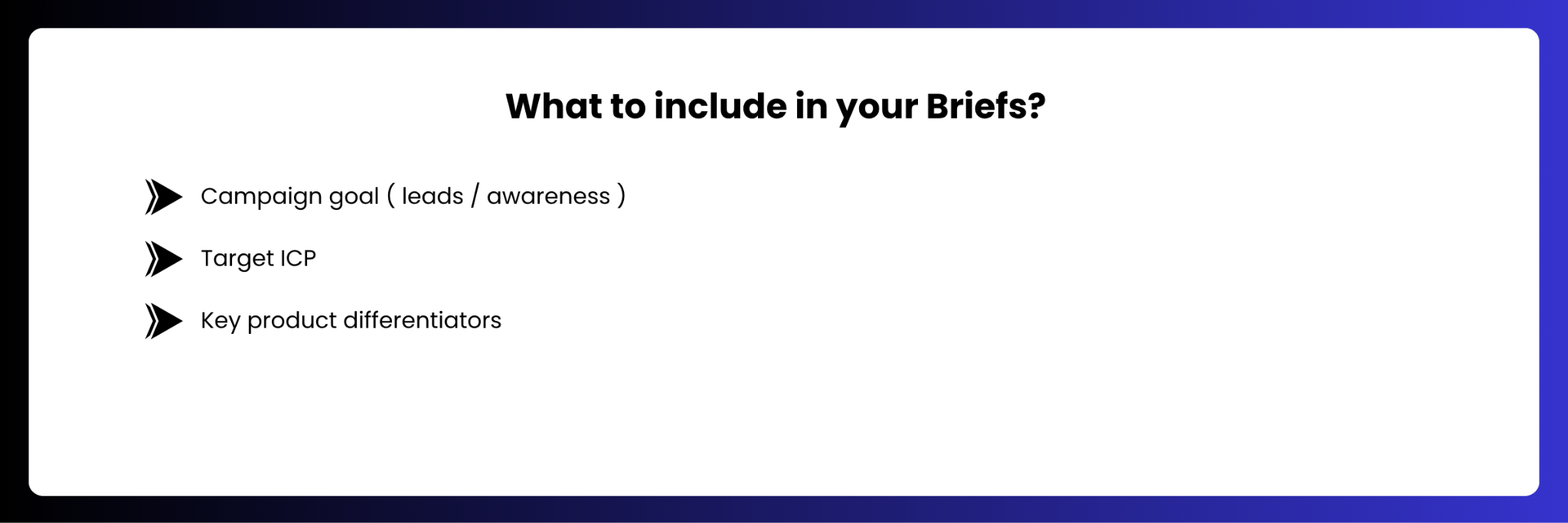
Step 8: The Creator Brief
The brief doesn't need to be long. It needs to be clear. Brendan's structure:
- What is this campaign about and what's the goal?
- Who are we trying to reach?
- What are the reasons to believe? (The three stats or proof points that back up the key message)
- Deliverables
- Dos and don'ts
- Logistics: FTC disclosure, hashtags, UTM codes, links
Give them enough context to create confidently. Not so much that you're scripting them.
Step 9: Tracking Performance
Three things to track:
Creator performance. Which creators are delivering results relative to the media spend behind them? Don't look at total numbers in isolation. Look at everything in context of the percentage of ad spend.
Creative performance. What type of content is working?
Messaging performance. Which RTBs (reasons to believe) and CTAs are resonating with the audience?
The 80/20 rule shows up fast in influencer campaigns, especially for lower-funnel work. A few weeks in, usually one or two creators are clearly outperforming the rest.
Pro Tip: When you see what's working, cut everything else and double down. Go back to the high-performing creator, ask for more content, figure out what makes them different, and scale that. Don't try to fix the underperformers. Just move the budget.
→ Read the full 9-step framework

Ready to find the right creators, automate outreach, and scale your influencer campaigns?
Try Favikon For Free to Run Influencer Marketing Campaigns.
Others articles