Top 20 B2B Influencers in 2026 (English-Speaking)
Explore 20 B2B influencers across marketing, sales, SaaS, and AI, including Dave Gerhardt, April Dunford, and Jake Ward. Compare their specialties and LinkedIn follower counts, and learn what to check before choosing a creator for your next campaign.

Updated October 16, 2026
A large following wouldn't get someone onto my B2B shortlist.
The first question is whether their content actually helps the people who evaluate, recommend, or use the product you're trying to market. A sales trainer, a product marketing specialist, and an enterprise AI educator are all B2B influencers. They solve different problems, which is why you can't brief them the same way.
For this 2026 list, I picked 20 English-speaking creators whose work centers on professional decisions, covering marketing, sales, SaaS, AI, and HR technology. Each entry explains where the fit is and what to check before reaching out.
Start with the comparison table. For the campaign planning behind a shortlist, read our B2B influencer marketing guide.
TL;DR: B2B Influencers
I'd use this list to narrow the field, with these distinctions in mind:
- Choose a creator for the professional problem they help solve, then check whether their audience matches your buyers.
- Jake Ward, Dave Gerhardt, April Dunford, and Peep Laja cover B2B SEO and AI search, marketing leadership, positioning, and buyer research, respectively.
- Morgan J. Ingram and Jason Bay offer a sales-focused route, while the technology specialists below cover distinct AI and workplace needs.
- The table uses approximate LinkedIn follower counts, not combined audiences or a live Favikon Authority Score ranking.
- Build a more specific shortlist with Favikon's creator discovery tools.
How I Chose These B2B Influencers
I reviewed official biographies, publishing hubs, and accessible LinkedIn profiles or posts. I prioritized professional relevance and demonstrated subject knowledge, then looked for useful coverage across marketing, sales, product, and business technology. Celebrity status alone was not a qualifying reason.
This is an editorial ranking based on subject relevance, not a score-based leaderboard. I haven't calculated a numerical score or used follower counts to assign positions. The list starts with B2B marketing and search before moving into specialist disciplines. A lower position may still be the better fit for your campaign.
I haven't audited private audience demographics, negotiated fees, or verified campaign results for these creators. My suggested applications are editorial judgments. Inclusion does not confirm availability for paid partnerships.
Top B2B Influencers at a Glance
I use LinkedIn for the comparable follower snapshot below, even where a creator also has a substantial newsletter, podcast, or video presence. Those other audiences are not included in the count.
Source review: October 16, 2026. K means thousand and M means million. Counts are rounded from accessible public LinkedIn pages or their indexed snapshots, which were captured at different times. They are not synchronized live totals. The linked counts show the source used. *Bernard Marr's figure is reported on his own influencer-services page. Recheck the relevant channel before booking.
Find B2B creators by niche. Start a free 7-day trial →
1. Dave Gerhardt
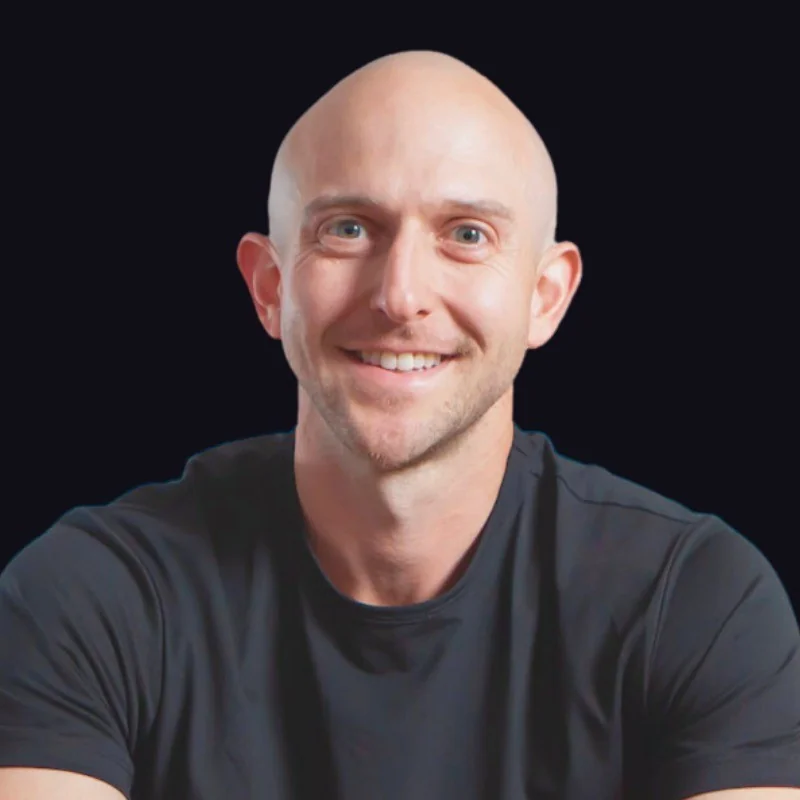
Best for: B2B marketing teams building a stronger brand
I'd start with Dave Gerhardt for a broad B2B marketing shortlist. Exit Five gives his work a clear professional context: the decisions marketers make about brand, content, leadership, and growth. You don't have to translate a general entrepreneurship lesson into something a marketing team can use.
His discussion of building a B2B audience makes him a direct fit for brands selling into marketing departments. I'd consider an interview or a practical discussion about running a marketing function before asking for a standalone product mention.
Where to follow: LinkedIn, the Exit Five podcast, and its newsletter.
What I'd check: A marketing audience is still a broad audience. I'd check company size and seniority before treating it as a match for a narrowly defined enterprise buyer.
2. April Dunford
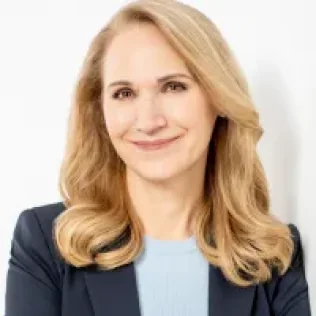
Best for: Making a technical product easier for buyers to understand
April Dunford earns her place through specialization. Her work on positioning and sales pitches addresses a problem I see as central to B2B marketing: a product can have useful capabilities and still leave buyers unsure why they should choose it.
Product marketing, competitive positioning, and category explanation are where she fits best. A session that helps buyers understand competing approaches makes more sense than asking her to repeat a feature list.
Her books, Obviously Awesome and Sales Pitch, provide a clear starting point for understanding that perspective.
Where to follow: LinkedIn, books, speaking, and her positioning newsletter.
What I'd check: I'd choose her for strategic clarity, not assume that positioning expertise automatically makes her the right person for tactical advertising or sales software tutorials.
3. Peep Laja
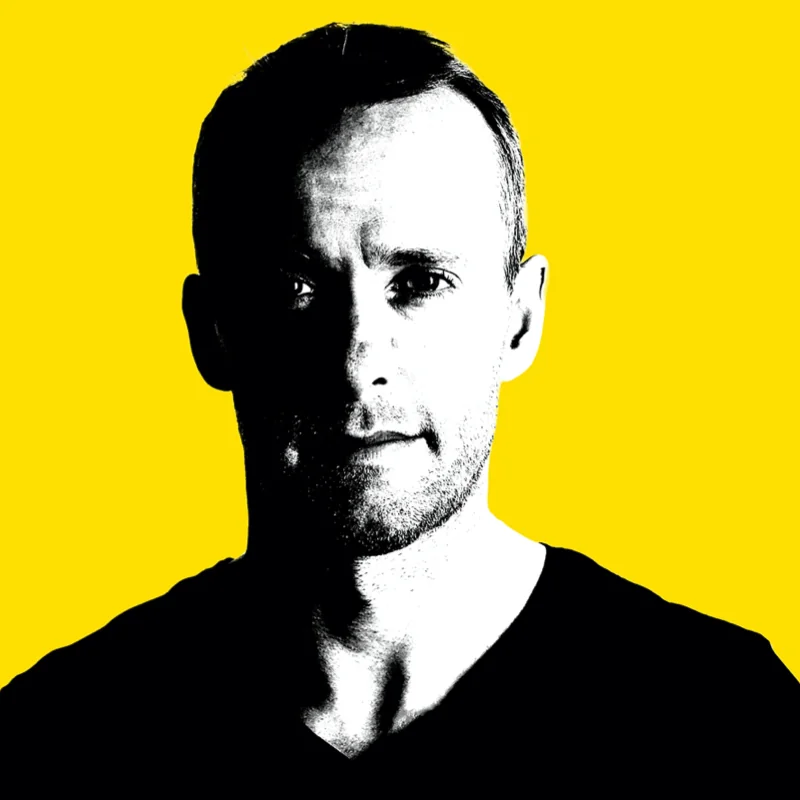
Best for: Research-led messaging and competitive strategy
Peep Laja is the right call when a team needs to challenge its own assumptions. He founded Wynter, CXL, and Speero. His How to Win work ties directly to B2B strategy and competition, which is the relevant territory here.
Wynter's research focus gives him a direct connection to the questions marketing teams ask about buyers, positioning, and messaging. I'd consider a research discussion, message teardown, or interview about differentiation. The useful angle is what the evidence changes, rather than how impressive the research looks.
Where to follow: LinkedIn, his newsletter, and How to Win.
What I'd check: His involvement in marketing businesses matters when assessing conflicts. I'd check competitive overlap and preserve room for conclusions that don't favor the sponsoring brand.
4. Ross Simmonds
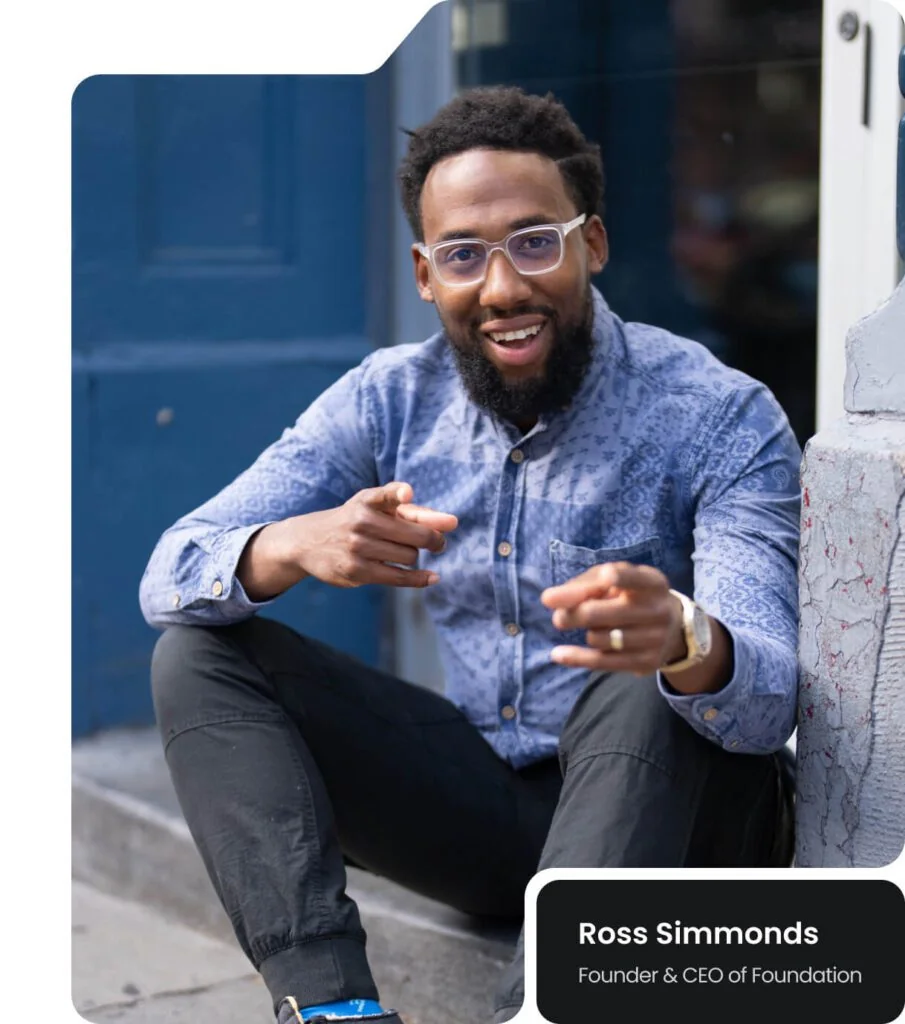
Best for: Getting more use from content a team has already created
Publishing a good article doesn't tell me how the right people will find it. That's why I'd include Ross Simmonds. His work through Foundation and his own channels connects content creation with distribution, search, and the ways people discover business information.
His SaaS breakdowns offer a more concrete starting point than a broad motivational message. A campaign built around repurposing research, explaining a distribution process, or showing how a B2B team gets material in front of the right audience is the natural fit. The lesson should remain useful even before the product enters the example.
Where to follow: LinkedIn, his newsletter, The Ross Simmonds Show, and written breakdowns.
What I'd check: Distribution expertise doesn't make every channel appropriate for every brand. I'd keep the proposal tied to a buyer's actual information habits.
5. Jake Ward

Best for: B2B software teams building visibility in Google and AI search
If I were choosing a B2B influencer for a search-focused campaign, I'd put Jake Ward on my shortlist. He founded Known, and his LinkedIn writing covers SEO and AI search. His 2026 search playbook brings Google, AI answers, and third-party sources into the same strategy.
I'd consider a content audit, a walkthrough of comparison pages, or a discussion about which sources influence AI recommendations. That gives an SEO platform or a B2B SaaS brand selling to marketers a specific reason to work with him. I'd want the audience to leave with a search decision they can act on, rather than another prediction about AI.
Where to follow: LinkedIn, his long-form search guides, and Known.
What I'd check: His agency and software interests can create commercial conflicts. I'd check competitive overlap and treat self-reported traffic or signup figures as claims, not independent proof.
6. Ann Handley
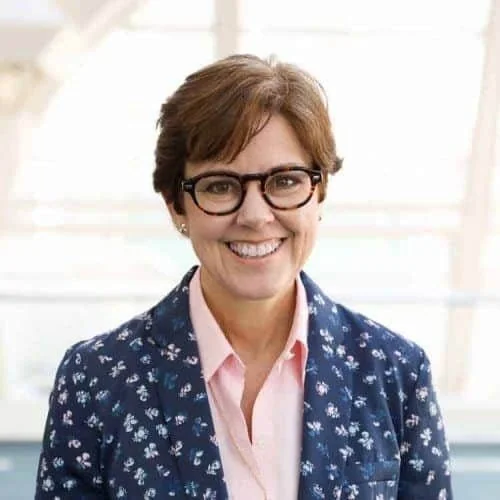
Best for: Helping marketing teams communicate more clearly
Ann Handley fits when the problem is the writing itself. Her MarketingProfs work, Everybody Writes, and Total Annarchy newsletter make her a useful voice for teams trying to produce content people will actually read.
The commercial fit is clearest for businesses serving writers and marketers: content tools, email platforms, training, and services that improve communication.
I'd favor a practical editorial session or a before-and-after writing exercise over a campaign built entirely around a platform's feature count. It gives the audience something they can apply to their next draft.
Where to follow: LinkedIn, Total Annarchy, books, and speaking.
What I'd check: Her subject matter extends beyond B2B software. I'd verify the audience segment rather than assume every follower is a marketing budget holder.
7. Devin Reed
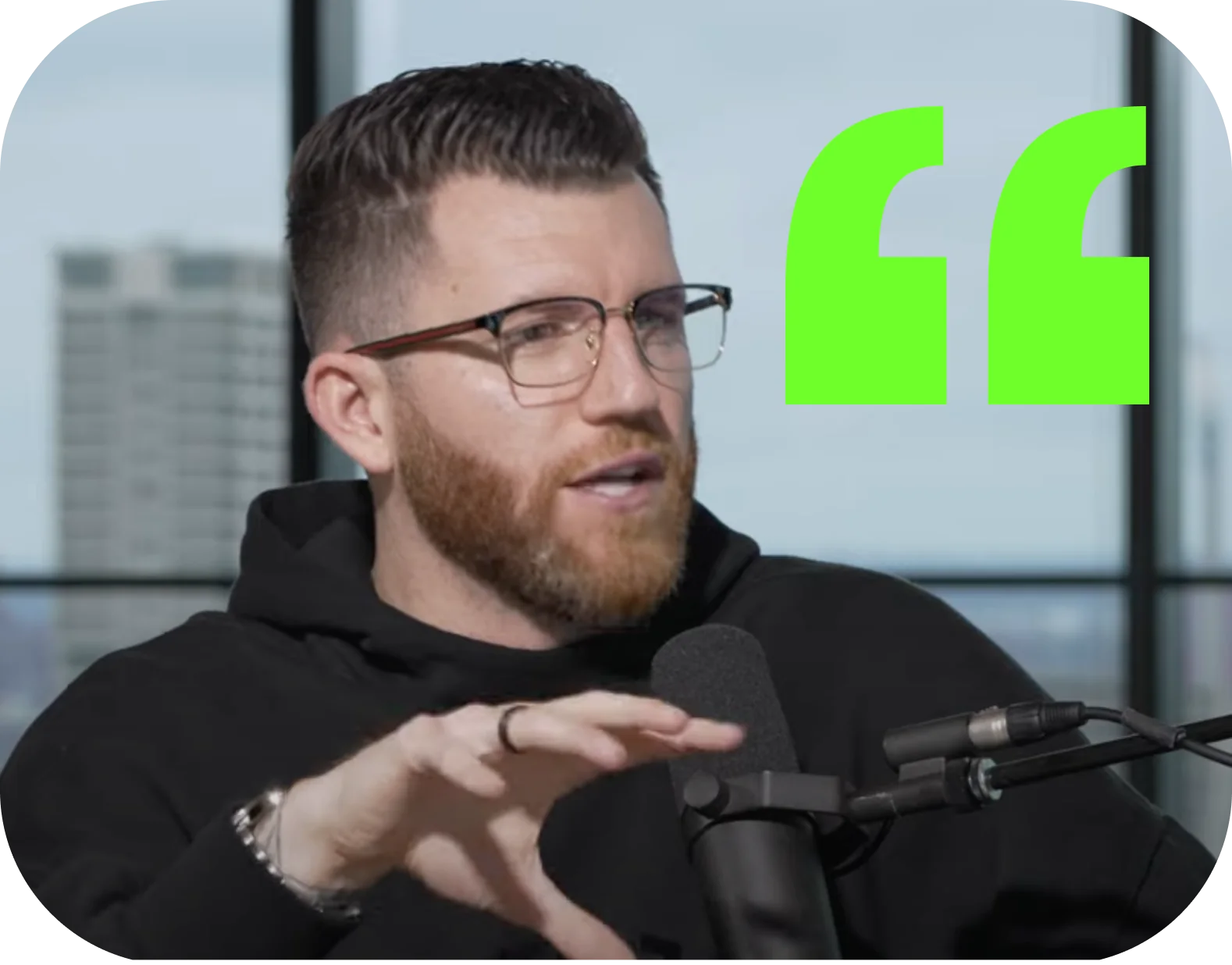
Best for: Turning scattered content into a consistent editorial program
Devin Reed's The Reeder consultancy focuses on content strategy for B2B technology companies, with executive LinkedIn work alongside it. That gives me a specific reason to include him: the subject is how a business builds a useful content program, rather than how an individual collects reactions.
I'd consider him for a content planning discussion, an executive publishing workshop, or a campaign aimed at marketing teams that keep changing direction. The brief still needs a worthwhile point beyond the format itself.
Where to follow: LinkedIn, The Reeder newsletter, and Reed Between the Lines.
What I'd check: I'd separate creator distribution from consultancy delivery. Paying for a post and hiring someone to rebuild a content strategy are different engagements.
8. Katelyn Bourgoin
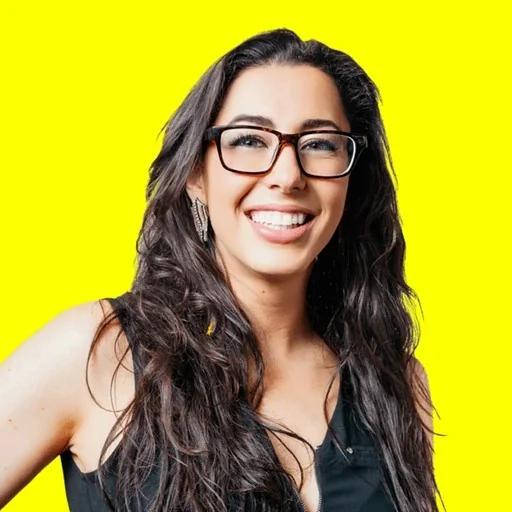
Best for: Explaining why buyers respond to particular messages
Katelyn Bourgoin's Why We Buy gives buyer psychology a practical marketing application. I'd shortlist her when a brand needs to explain the thinking behind a message, offer, or customer research decision, rather than simply show another campaign example.
For B2B marketers, the more interesting application is how those ideas translate into a multi-person buying process, where the trigger differs from an individual purchase. A research tool or marketing education brand can anchor a discussion there.
I'd keep the example grounded in a professional decision, such as evaluating a service or making a case for software internally.
Where to follow: LinkedIn, Why We Buy, and customer research education.
What I'd check: Her examples also cover consumer buying. I'd adapt the lesson carefully and avoid treating an individual shopping decision as equivalent to enterprise procurement.
9. Amanda Natividad

Best for: Building useful content that stands on its own in the feed
Amanda Natividad's current work includes Zero Click Marketing and her role as Chief Evangelist at SparkToro. I'd include her for teams rethinking the relationship between useful content, audience attention, and website visits.
My preferred campaign angle would be an audience research exercise or a piece that answers a real marketing question without forcing the reader through a form first. That suits a brand prepared to teach before asking for action.
It also sets a more demanding creative test: would the audience value the content without the link?
Where to follow: LinkedIn, The Menu newsletter, and the Zero Click Marketing podcast.
What I'd check: I wouldn't judge that brief entirely by immediate referral traffic. I'd agree on the objective and measurement before choosing a format designed to deliver value off-site.
10. Morgan J. Ingram
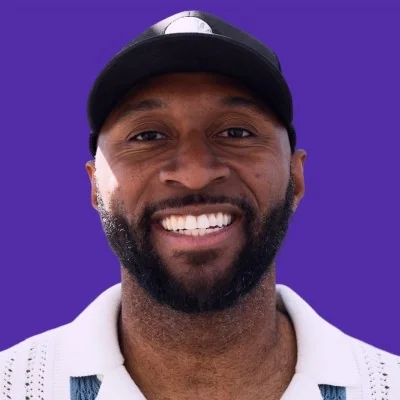
Best for: Helping sales teams turn professional relationships into conversations
Morgan J. Ingram's public work at AMP Social concentrates on sales development and social selling. His explanation of the business's focus makes the B2B relevance clear: helping sales teams use LinkedIn within their outbound work.
A sales enablement session, a prospecting discussion, or content demonstrating how a seller prepares for a useful conversation are the natural formats here. Sales tools have a natural place in that kind of example, provided they support the task rather than become the entire lesson.
Where to follow: LinkedIn, video, workshops, and sales education.
What I'd check: I'd distinguish people who use sales software from people who purchase it. A campaign aimed at sales leaders needs a different brief from one aimed at individual representatives.
11. Jason Bay

Best for: Practical outbound sales training
Jason Bay is my more focused pick for outbound execution. As founder and CEO of Outbound Squad, his work is tied to training business sales teams, with a clear emphasis on prospecting and conversations.
An educational format works best here, one that lets the audience inspect a real decision: how to open a call, handle an objection, or decide whether a prospect is worth pursuing.
That could suit a sales training provider or a tool used within the workflow. His public criticism of high-volume automated outreach also gives a brand something important to consider before approaching him.
Where to follow: LinkedIn, the Outbound Squad podcast, and training.
What I'd check: I'd check alignment with his stated approach. A brand selling volume-first outreach should not assume a large sales audience makes him a suitable advocate.
12. Jade Tambini
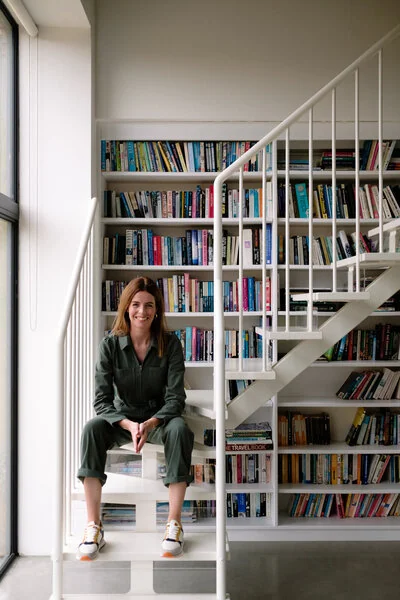
Best for: In-house B2B marketers who need direction and internal support
Jade Tambini is a useful reminder that this list shouldn't be sorted by follower count. Her B2B Breakthrough Academy and marketing education focus on the real problems B2B marketers face, including strategy and getting the wider business behind their plans.
She fits a campaign that speaks to the person building the plan, defending it internally, and then doing the work.
A practical session on prioritizing marketing activity would be a better fit than a generic message about business success. Her smaller listed LinkedIn audience is context, not a reason for me to dismiss the professional focus.
Where to follow: LinkedIn, short-form video, and B2B marketing training.
What I'd check: I wouldn't assume a smaller audience guarantees better engagement or lower fees. I'd ask for relevant audience information and recent results for the proposed format.
13. Jason Lemkin
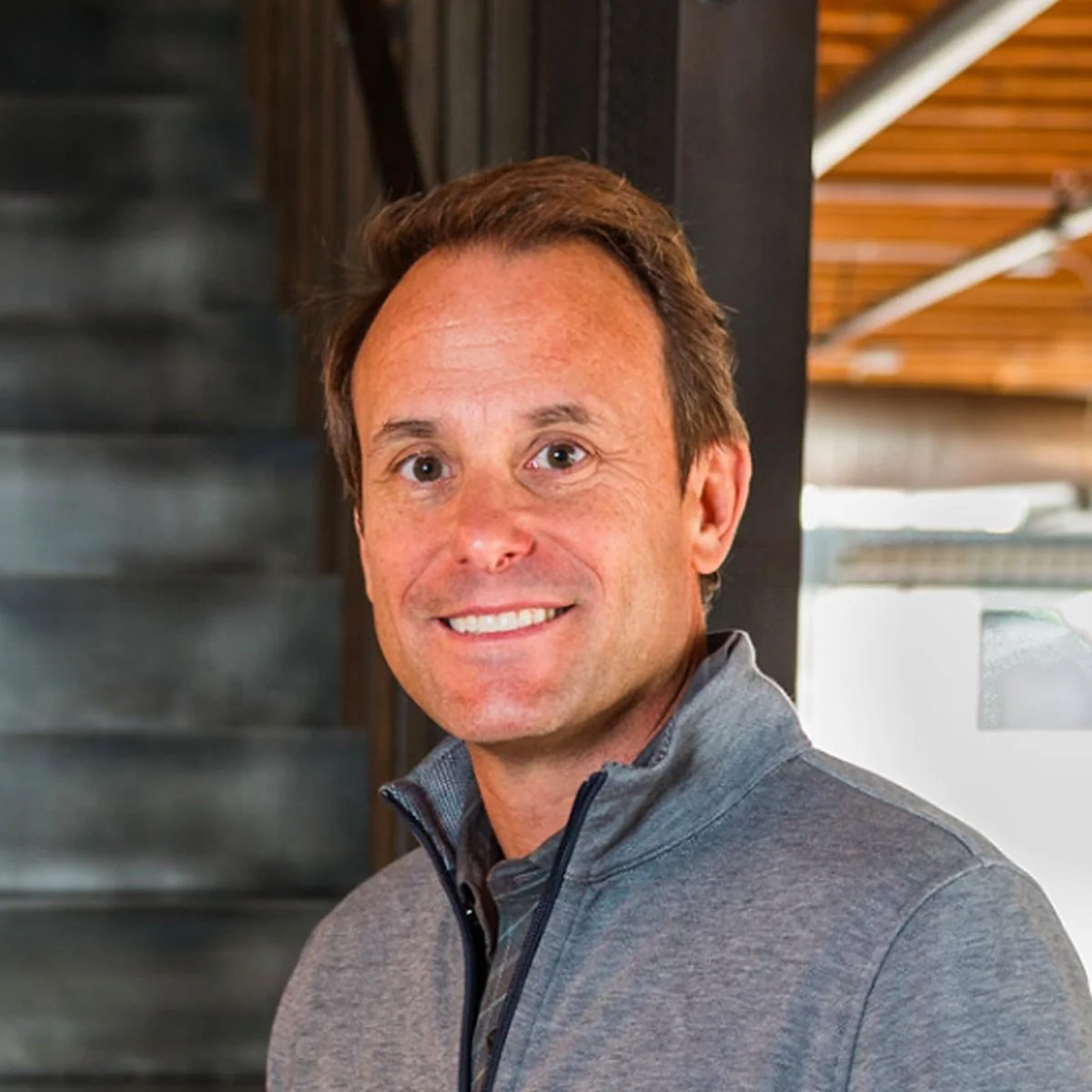
Best for: Conversations with founders and software business operators
Jason Lemkin belongs here because SaaStr's content and events are built around business software. His public work covers the decisions involved in growing and running those companies, with AI adoption also appearing in the current program.
I'd consider his work when the intended reader is evaluating how to build a software business, organize a commercial team, or put a new technology into operation. An interview about a specific operating decision would give that audience more than another broad prediction about the future of SaaS.
Where to follow: LinkedIn, SaaStr articles, podcasts, and events.
What I'd check: I'd distinguish Jason's individual channels from SaaStr's company media and event inventory. Their reach, deliverables, and commercial arrangements are not interchangeable.
14. Lenny Rachitsky

Best for: Reaching practitioners responsible for product decisions
Lenny Rachitsky's newsletter and podcast focus on product, growth, and professional development. I'd put him on the shortlist for a business selling to product teams, particularly when the product needs explanation through a working example rather than a short slogan.
A discussion about prioritization, user research, or experimentation could connect naturally with that context. I'd first decide whether I want an individual social post, a newsletter placement, or a podcast opportunity.
Those are separate formats with separate audiences, even when they're all associated with the same creator.
Where to follow: LinkedIn, Lenny's Newsletter, and Lenny's Podcast.
What I'd check: His professional audience includes people working on consumer products. I'd check the share relevant to the campaign instead of assuming product management means B2B SaaS exclusively.
15. Allie K. Miller
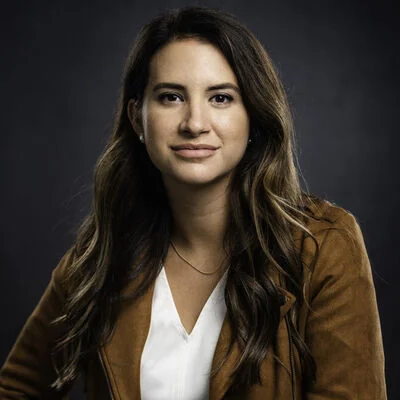
Best for: Making AI adoption understandable to business teams
Among B2B tech influencers, I'd consider Allie K. Miller for the business side of AI adoption. Her speaking, education, and advisory work cover how organizations use AI, drawing on prior roles at Amazon and IBM.
That makes her a good fit for explaining a business workflow or discussing an adoption decision, provided the audience needs business context before implementation details.
I'd favor a concrete problem, such as deciding where human review belongs, over a campaign that simply announces the arrival of another AI product.
Where to follow: LinkedIn, AI with Allie, courses, and speaking.
What I'd check: A broad business AI audience is different from a narrow developer audience. I'd choose a more implementation-focused specialist for detailed platform configuration or code-level evaluation.
16. Ethan Mollick

Best for: Research-led discussion of how AI changes professional tasks
Ethan Mollick is the person I'd follow to make an AI discussion more demanding. His Wharton research and One Useful Thing connect generative AI with work, education, and organizational questions.
For a business audience, the appeal is the chance to examine what a claim means in practice and where it stops holding up. I'd consider that perspective for an educational event or research discussion, rather than assume it belongs in a product endorsement. A serious conversation may expose limitations as well as benefits.
Where to follow: LinkedIn, One Useful Thing, research, and speaking.
What I'd check: Inclusion here is not a claim that he accepts sponsored posts. I'd confirm the available engagement and editorial boundaries before putting his name into a campaign plan.
17. Cassie Kozyrkov
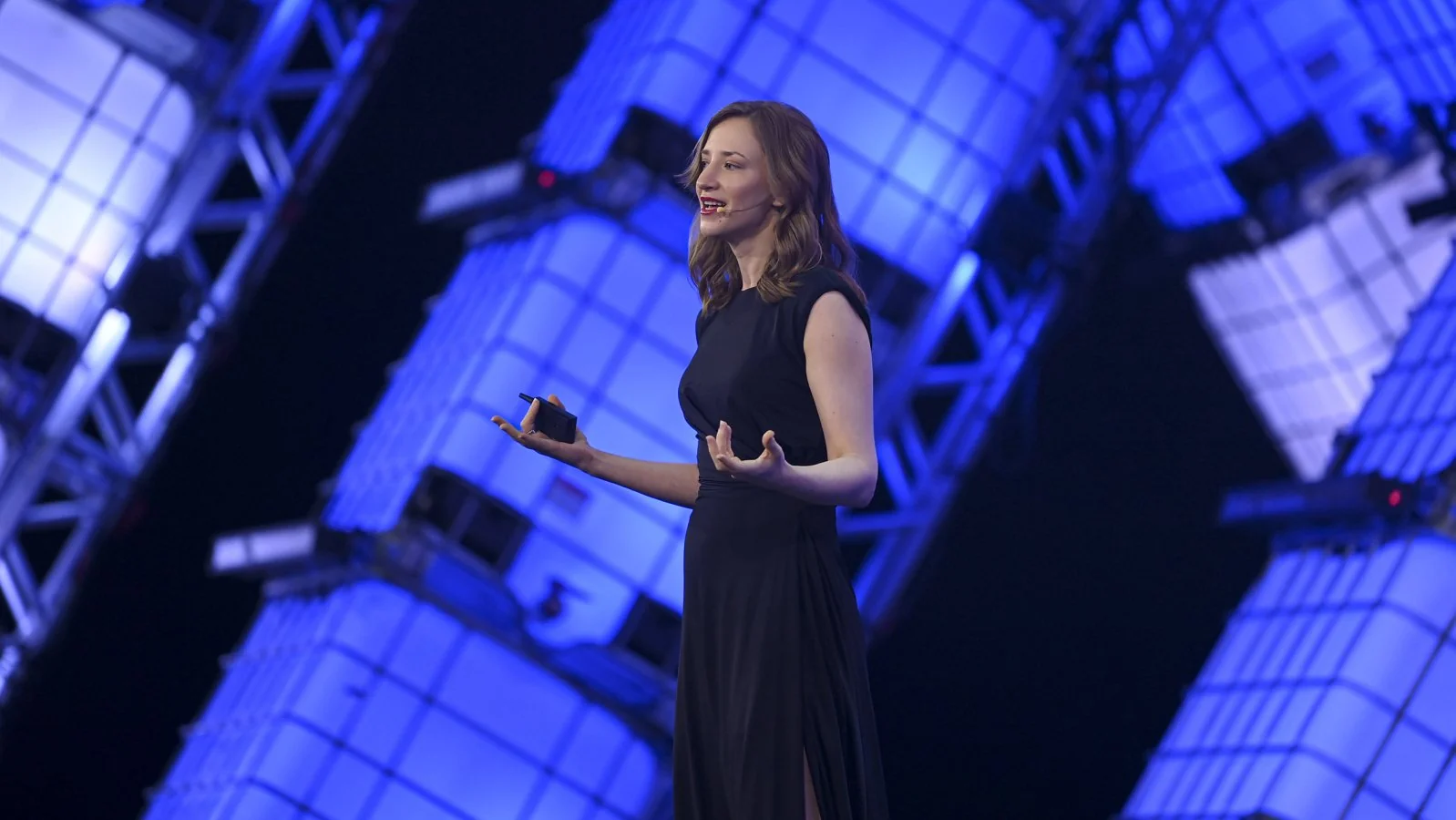
Best for: Helping leaders ask better questions about AI and data
Cassie Kozyrkov's decision intelligence work gives her a different role from an AI news commentator. Her professional background includes being Google's first Chief Decision Scientist, and her current public work covers speaking, education, and advising.
I'd consider her when a brand wants to discuss how an organization makes decisions with data and AI. The strongest brief would start with the decision, the person responsible for it, and the evidence needed. I'd be less interested in a showcase of capabilities that never explains what anyone should do differently.
Where to follow: LinkedIn, her newsletter, courses, and speaking.
What I'd check: I'd protect the distinction between education and validation. An expert explaining a category does not establish that a particular vendor's system is accurate, safe, or suitable.
18. Bernard Marr
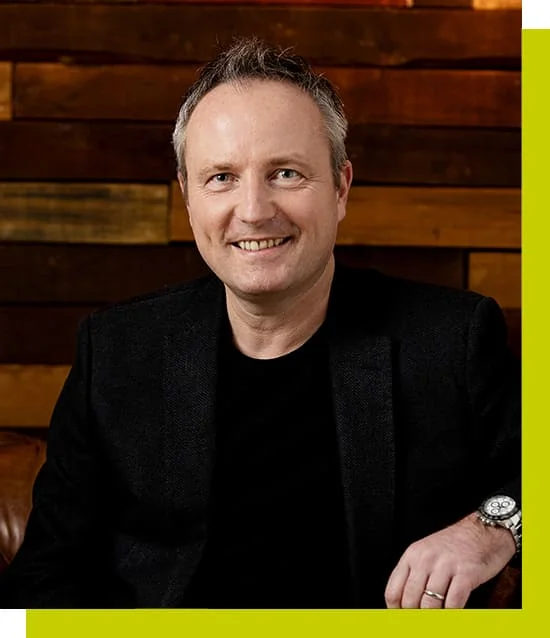
Best for: Explaining technology to business decision-makers
Bernard Marr's business technology writing and advisory work make him a fit for enterprise AI, data, and digital strategy when the audience needs a clear account of why a technology matters before it needs implementation detail.
His published influencer services also provide a direct starting point for investigating a commercial engagement. I'd still build the proposal around a defined topic, such as a business use case or an industry change, and ask for the audience and performance information relevant to that format.
Where to follow: LinkedIn, articles, books, video, and speaking.
What I'd check: His LinkedIn figure in the table is creator-reported. I'd request an updated channel breakdown and avoid using combined social reach as the audience for one placement.
19. April Dunnam
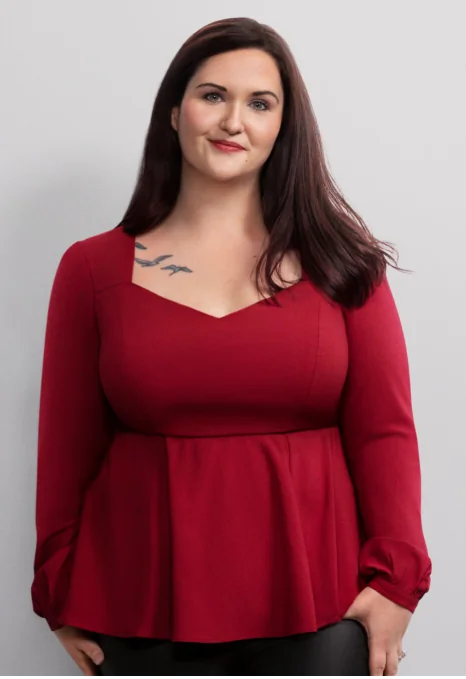
Best for: Hands-on education for Microsoft-focused business teams
April Dunnam is my more implementation-focused choice among these B2B tech influencers. Her technical background and teaching cover Microsoft's ecosystem, including Power Platform, Copilot, and AI agents. That is a much narrower fit than general commentary about workplace technology.
I'd look at her tutorials when the audience needs to build or understand a workflow. For a Microsoft-focused consultancy, training business, or relevant technology event, a practical demonstration could be more useful than broad category awareness. The value comes from showing the steps and limits of a task, not merely naming a product.
Where to follow: LinkedIn, YouTube, technical articles, courses, and speaking.
What I'd check: Her Microsoft affiliation is material. I'd confirm employer policies, availability, and conflicts before assuming an independent paid promotion is possible.
20. Josh Bersin

Best for: Technology decisions made by HR and learning teams
Josh Bersin gives this list a specialist business audience outside marketing and sales. His company's research and publishing concentrate on HR, learning, workforce issues, and the technology organizations use to manage them.
I'd consider his work for a campaign about employee learning, talent systems, or AI in HR. The useful conversation would be about a business requirement and the implications of different approaches. I wouldn't ask a general technology creator to stand in for that domain knowledge just because they have a larger following.
Where to follow: LinkedIn, research, articles, podcasts, and professional education.
What I'd check: I'd separate an analyst relationship, an event appearance, and a paid media placement. None should be presented as an independent endorsement simply because a commercial relationship exists.
Which B2B Tech Influencers Would I Shortlist?
I'd narrow the technology names by the job the content needs to do. A broad AI introduction, a software buying discussion, and a hands-on tutorial require different expertise.
- For business AI adoption, I'd start with Allie K. Miller or Bernard Marr.
- For research-led discussion about AI at work, I'd look at Ethan Mollick.
- For decision-making and executive education, I'd consider Cassie Kozyrkov.
- For Microsoft implementation, April Dunnam is the closer subject match.
- For HR technology, I'd begin with Josh Bersin.
I'd then check the actual topic and audience. None of those choices substitutes for a specialist in a field such as cybersecurity or developer infrastructure. A technology label is too broad to serve as a campaign brief.
How I Would Turn This List Into a Campaign Shortlist
To turn a B2B influencer list into a campaign shortlist, start by checking whether the creator's audience matches your actual buyers, whether the format fits the decision you're trying to support, and whether the evidence holds up before you commit budget.
Match the Audience to a Real Buying Role
I'd write down the role, company type, geography, and problem I need to reach. Then I'd request relevant audience information and inspect the discussions around recent content. A creator teaching individual sellers may be useful for adoption, but that does not establish access to the executives who approve a contract.
Match the Deliverable to the Decision
I'd ask what the audience needs to understand next. A tutorial can demonstrate a workflow. An interview can examine a strategic question. A newsletter placement can introduce a useful resource. Those are different jobs, and I'd evaluate examples of the format I'm actually considering.
I'd also confirm what the quote covers, including revisions, exclusivity, distribution, and any proposed reuse. I wouldn't infer sponsorship availability or permissions from a creator's public profile.
Check the Evidence Before Expanding the Spend
Use Favikon's influencer analytics to support the review, then ask for information specific to the proposed channel and format. A platform score can help organize a shortlist. It cannot tell me whether a creator understands my product or will agree with its claims.
Before launch, I'd agree on the campaign objective and how performance will be measured. I'd keep reach, engagement, qualified inquiries, and revenue separate instead of treating one as proof of another. The B2B influencer marketing guide covers the wider planning and outreach process.
Frequently Asked Questions
What Is a B2B Influencer?
A B2B influencer creates content that informs professional decisions, such as choosing software, running a sales team, or adopting AI at work. Relevant expertise and a business-focused audience matter more than celebrity status.
Who Are the Top B2B Influencers in 2026?
Jake Ward, Dave Gerhardt, April Dunford, and Peep Laja are among the top B2B influencers in 2026, covering AI search visibility, marketing leadership, positioning, and buyer research, respectively. For sales, Morgan J. Ingram and Jason Bay are strong picks.
Who Are Some B2B Tech Influencers?
Allie K. Miller, Ethan Mollick, Cassie Kozyrkov, Bernard Marr, April Dunnam, and Josh Bersin are prominent B2B tech influencers in 2026, covering business AI, decision intelligence, Microsoft workflows, and HR technology.
Are B2B Influencers Only on LinkedIn?
No. B2B influencers are active across newsletters, podcasts, YouTube, live events, and written long-form content. LinkedIn is often the most consistent channel for professional audiences, but many creators reach their most engaged readers through newsletters or podcast listeners.
Do More Followers Make a B2B Influencer Better?
No. Follower count signals audience size. Subject knowledge, the professional roles in their audience, and performance in the specific format you're buying matter far more than a headline number.
Can I Hire Every Creator on This List?
No, not every B2B influencer on this list is available for hire. Some have employer restrictions or commercial conflicts that rule out paid partnerships. Treat this as a research starting point. Confirm availability directly before building a campaign around a name.
How Much Does a B2B Influencer Charge?
Fees vary by creator, channel, deliverables, and exclusivity. Rates range from a few thousand dollars for a single post to six figures for a full campaign. Request a quote against a defined brief rather than estimating from follower count.
Choose the Creator Who Fits the Buying Decision
I'd leave this page with three names and one sentence explaining why each belongs on the shortlist. If that sentence only mentions follower count, I'd keep looking.
Choose the professional problem first, find someone who can discuss it credibly, and verify the audience before committing a budget. That's the distinction I'd use to turn a list of top B2B influencers into a campaign worth considering.
Build your shortlist with Favikon's B2B influencer marketing platform.
Find the creators who fit your buyers. Start a free 7-day trial →
Others articles