Why the Best LinkedIn Creators Build Reputation, Not Just Reach
The best LinkedIn creators don't chase virality. They build systems that convert. One mindset shift separates influence from impact.

The Most Successful LinkedIn Creators Think Like Operators, Not Influencers
The creators building lasting authority online often optimise for trust, positioning, and consistency instead of chasing constant attention.
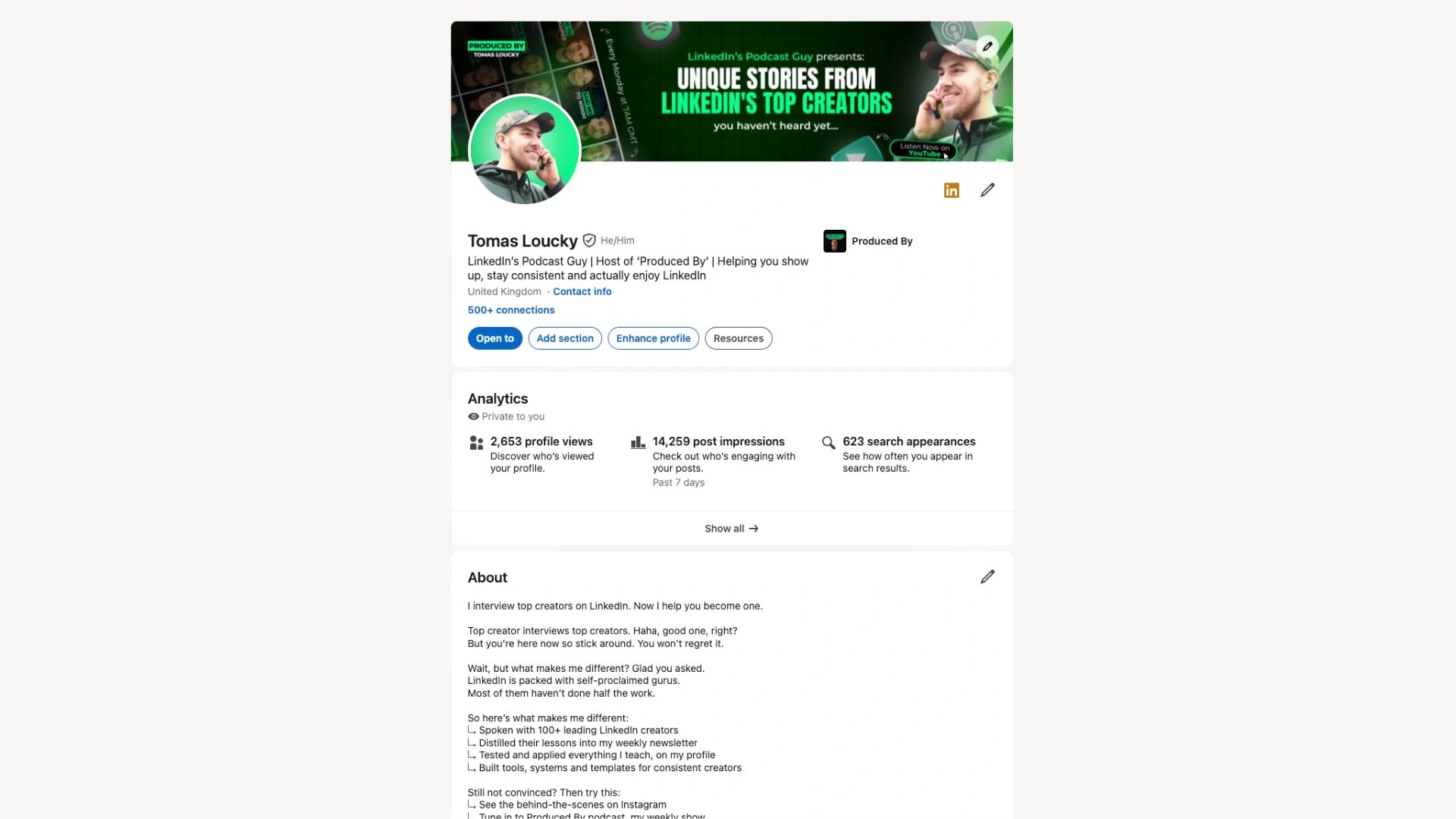
After spending years interviewing founders, creators, and operators, including around 100 LinkedIn creators specifically, I started noticing a pattern that kept repeating itself.
The people building the strongest reputations online rarely behaved like influencers.
They behaved more like operators.
They seemed unusually clear about how they wanted to be understood online. They repeated the same ideas consistently. They cared about growth, but they also thought carefully about reputation, positioning, and how people would remember them months or years later.
And honestly, they often felt much calmer than the internet around them.
From the outside, a lot of creator growth looks sudden.
Most of the time, it really is not.
A lot of creators who are now seen as successful had actually been showing up consistently for years before anyone really paid attention. Testing ideas, refining their positioning, and quietly building trust before the audience finally caught up.
That changes the way you start thinking about creator growth.
Especially on LinkedIn, where reputation tends to matter just as much as visibility.
Visibility and Reputation Are Not the Same Thing
One thing I noticed pretty quickly after spending more time around LinkedIn creators is that visibility and reputation are often treated like the same thing online.
They are not.
A creator can get a lot of attention and still leave almost no lasting impression. You see it all the time on LinkedIn. Posts perform well for a few weeks or months, engagement spikes, follower counts grow, but the creator never really becomes known for anything specific.
They are visible, but not memorable.
Part of the reason is that modern creator culture rewards immediate feedback. Reach is measurable. Engagement is measurable. Virality is measurable. Reputation is much slower and much harder to track.
So naturally, a lot of creators end up optimising around whatever creates the fastest response.
More trends. More reactions. More hot takes. More constant reinvention.
That shift is part of why LinkedIn creator ecosystems have evolved so quickly over the past few years, especially as more brands started taking LinkedIn influencer marketing seriously.
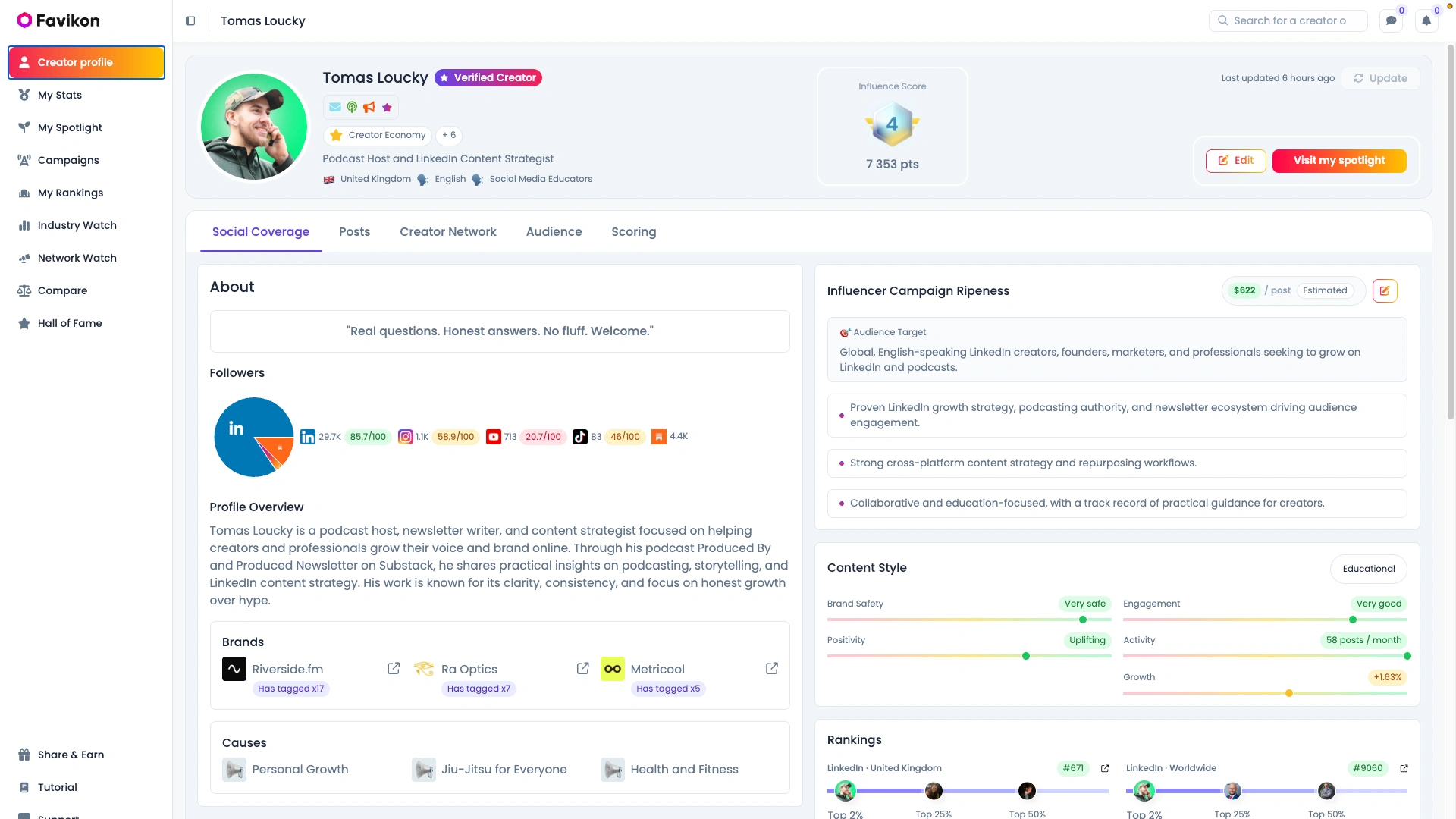
Tools focused on creator discovery, authority mapping, and positioning have also become much more important as the creator economy matures, which is part of why platforms like Favikon have grown so quickly in the space.
But the strongest creators I spoke with usually approached visibility differently.
They were not just trying to get attention.
They were trying to become associated with something specific.
Most people do not remember creators because of one post. They remember them for repeated ideas, recognisable perspectives, and the feeling they create consistently over time.
A lot of creators unintentionally weaken that process by changing direction too often. New niche every few months. New tone. New audience. New strategy.
The content may still perform, but people stop knowing what to associate with you.
The Strongest Creators Build Systems
Something else I kept noticing in conversations with experienced creators was how emotionally steady they seemed around content.
That does not mean they did not care about performance. Most of them cared deeply about growth, audience building, and creating strong work.
But they also understood that creator growth becomes difficult to sustain when every post starts affecting your confidence, mood, or sense of direction.
One post performs well and suddenly they feel momentum again. Another underperforms and they start questioning everything. Their niche. Their positioning. Their content style.
The more experienced creators rarely seemed to operate like that.
They treated content more like a long term process than a daily judgement of their value. Instead of relying on motivation every time they posted, they built systems that made consistency easier to sustain.
Simple publishing rhythms. Clear themes. Repeatable workflows.
And honestly, I think a lot of creator strategy is really emotional regulation disguised as content strategy.
Because once creators stop reacting emotionally to every number, they usually make much better long term decisions.
A weaker post becomes feedback instead of an identity crisis.
Calmness Creates Trust
One thing that surprised me after enough creator conversations was how much calmness affects trust online.
Not polished branding or perfectly optimised content.
Calmness.
The creators who felt the most trustworthy usually communicated with a certain level of clarity and steadiness. They did not sound like they were constantly trying to prove themselves. They were not reacting to every trend, every platform shift, or every opinion in real time.
A lot of online content today feels emotionally reactive. Everyone is trying to stay visible, stay relevant, stay part of the conversation.
Eventually, that pressure starts becoming visible in the content itself.
Posts become louder. Opinions become sharper. Positioning becomes less clear.
Some creators slowly start sounding exhausted without even realising it.
The people who built the strongest authority usually felt calmer than that.
Not passive or unambitious.
Just clear.
People trust creators who feel emotionally steady. Especially on LinkedIn, where people are often following creators for perspective, credibility, and long term value.
Some creators sound like they are performing constantly.
Others sound like they already know who they are.
Positioning Before Content
One pattern I kept noticing with the strongest LinkedIn creators was how clear they were about what they wanted to be known for.
That clarity shaped almost everything.
The way they wrote. The stories they shared. The topics they kept returning to. Even the things they ignored.
A lot of creators approach content by asking, “What should I post today?”
The strongest creators usually seemed to think much further ahead than that.
They thought carefully about what people would eventually associate with their name after months or years of consistently showing up online.
Some people become associated with thoughtful analysis. Others with practical systems, calm leadership, sharp communication, or a very specific perspective within their industry.
After a while, their content starts feeling recognisable before you even see their name attached to it.
You can see that pattern clearly when looking at how recognisable many LinkedIn Top Voices position themselves over time.
And honestly, this is where a lot of creators unintentionally weaken their own authority. Every few months the direction changes. New niche. New tone. New audience. New strategy.
The content may still perform, but nothing stays consistent long enough for people to strongly associate them with anything specific.
The strongest creators usually felt much narrower than people expected.
Not limited.
Focused.
The priority was becoming recognisable.
The Best Creators Repeat Themselves
One thing the strongest creators seemed to understand very early was that audiences need repetition far more than creators think they do.
Most creators become tired of their own ideas long before their audience does.
After talking to enough LinkedIn creators, I started noticing how often experienced creators returned to the same themes repeatedly. Not word for word, but conceptually.
The same perspective. The same values. The same types of problems they cared about solving.
At first, I assumed that would make their content feel repetitive.
Usually, it did the opposite.
It made them feel recognisable.
A lot of creators underestimate how long it actually takes for people to associate them with something specific online.
That is why consistency matters so much.
The strongest creators were rarely trying to reinvent themselves every week. They kept reinforcing the same core ideas from different angles until those ideas became naturally associated with them.
After a while, people stop needing reminders about what that creator stands for.
Especially on LinkedIn, where people are often following creators for perspective, credibility, and long term value rather than pure entertainment.
That does not mean every post should sound identical.
It means the strongest creators usually build around a recognisable core instead of constantly chasing novelty.
While other creators keep shifting direction trying to stay interesting, the strongest ones become easier and easier to remember.
Conclusion
After enough years around creators, I do not think the people who build the strongest authority online are necessarily the smartest, loudest, or even the fastest growing.
Usually, they are the clearest.
They know what they want to be known for. They stay consistent long enough for people to remember them. And they understand that building trust online rarely comes from reacting to every trend or chasing constant visibility.
It comes from showing up consistently with a perspective people can recognise over time.
That is probably the biggest difference I kept noticing between creators who simply produce content and creators who build lasting authority.
One group focuses mostly on staying visible.
The other focuses on becoming remembered.
And after enough time online, people can usually feel the difference.
About the Author
Tomas Loucky is the host of Produced By Podcast, where he has interviewed more than 170 founders, creators, and operators about creator growth, personal branding, audience building, and long term authority online.
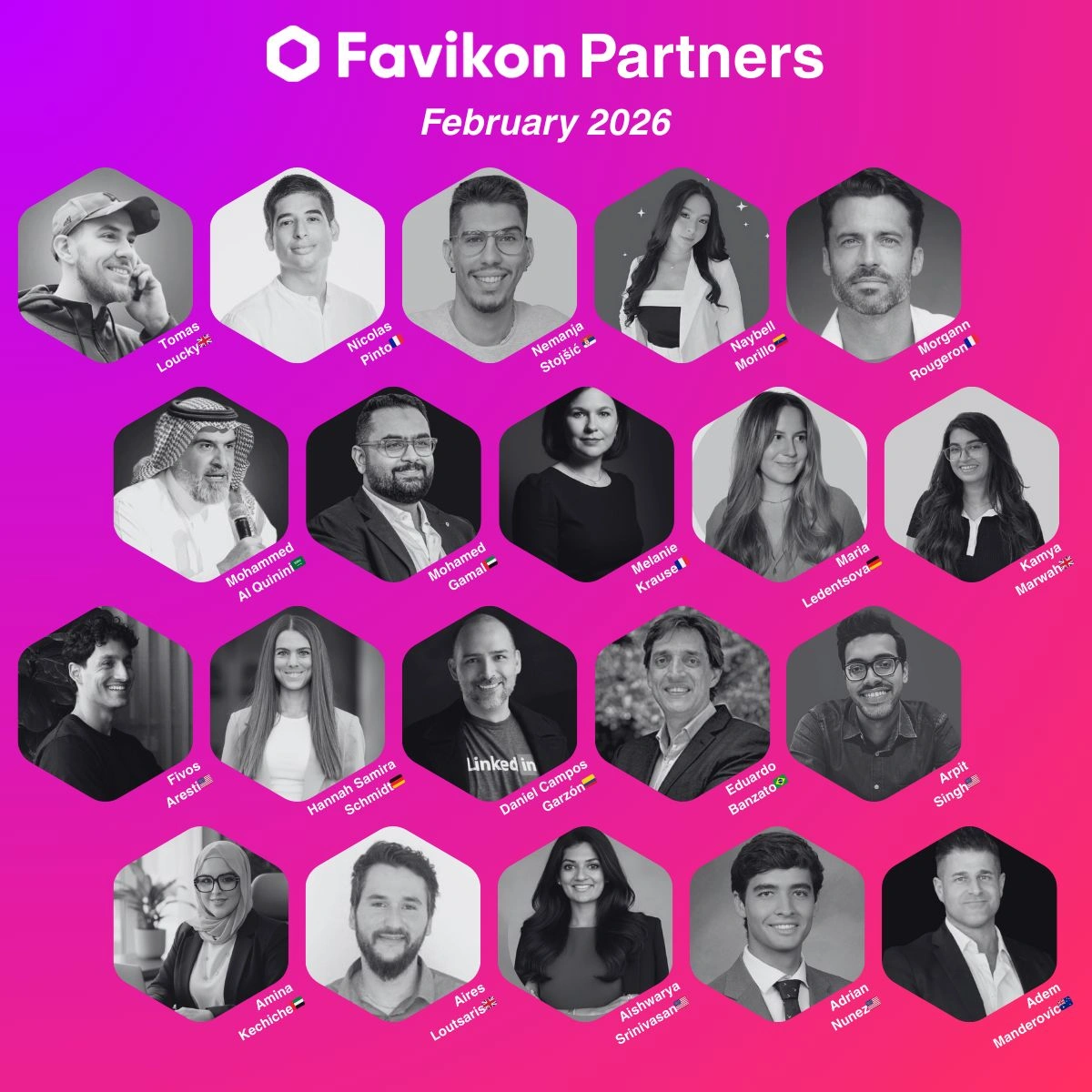
He is also a Favikon partner and active user of the platform. You can explore Favikon or connect with Tomas on LinkedIn.
You can also listen to Produced By Podcast or read more on Substack.
Others articles