AI Influencers vs Human Influencers: What Actually Works
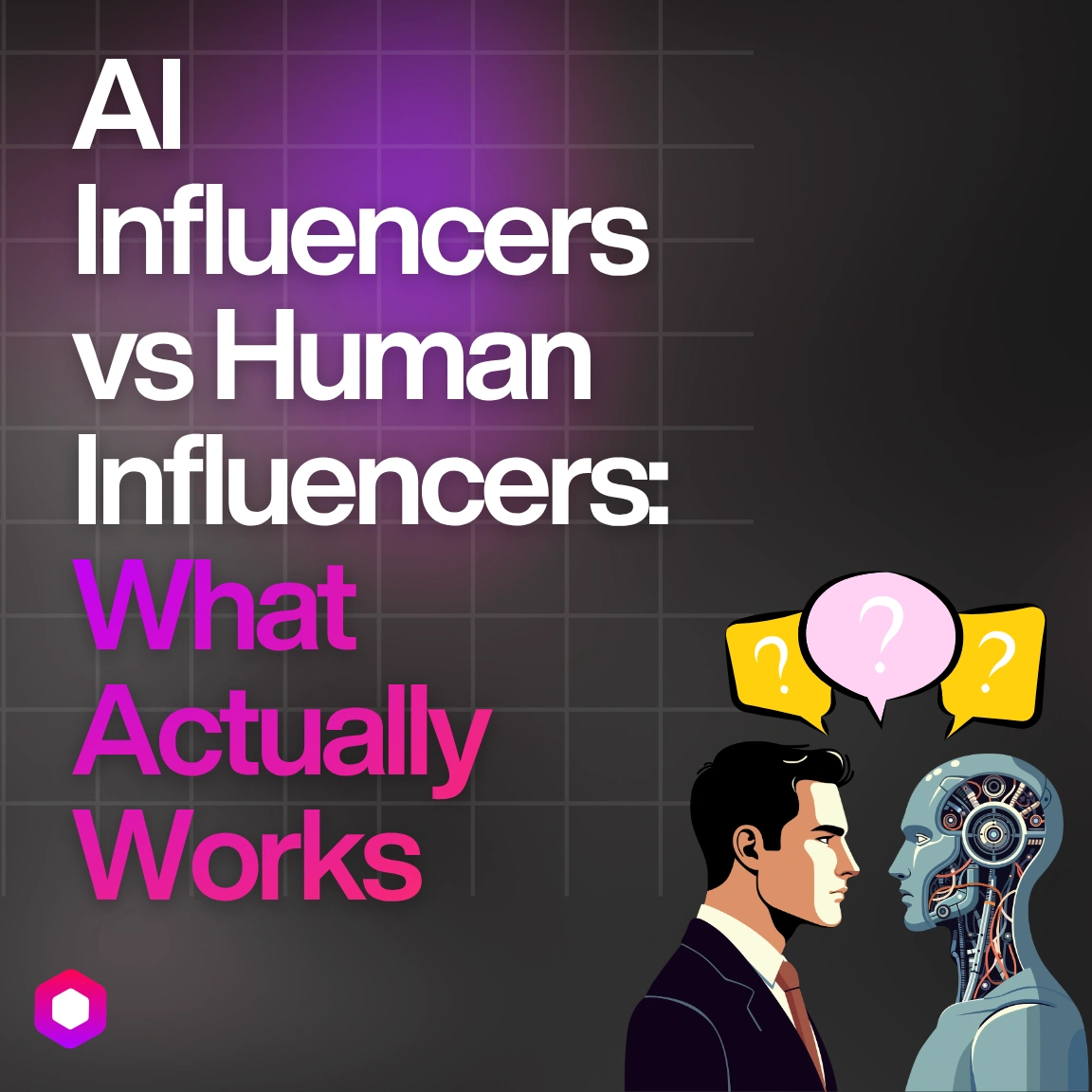
AI influencers and human creators each offer different strengths for influencer marketing campaigns. This guide compares their performance, audience trust, costs, and best use cases to help you choose the right approach.

AI Influencers vs. Human Creators: Do They Actually Work for Brands?
Fifty-eight percent of US consumers already follow at least one virtual influencer, and the virtual influencer market passed $11 billion this year. Whatever you think about AI influencers, your audience is already following them.
That does not mean they work for your brand. The honest comparison of AI influencers vs human influencers is not a cost debate, and it is not a question of which is better. It is a question of what a specific campaign is asking the influencer to do. Some asks an AI persona can carry. Some it structurally cannot, no matter how good the render is. Below is the evidence on both sides, and a three-question test you can run before you greenlight anything.
The Case For: Why Brands Are Betting on AI Influencers
The commercial argument is real, and it rests on three things.
Cost and output volume. Reported figures vary widely by tier and by who is doing the reporting, but every dataset points the same direction. One widely cited comparison puts the average human influencer sponsored post at roughly $78,777 against roughly $1,694 for an AI influencer. Beyond the per-post gap, a virtual persona has almost no marginal production cost: once built, it can produce dozens of assets a month with no scheduling, travel, or reshoots.
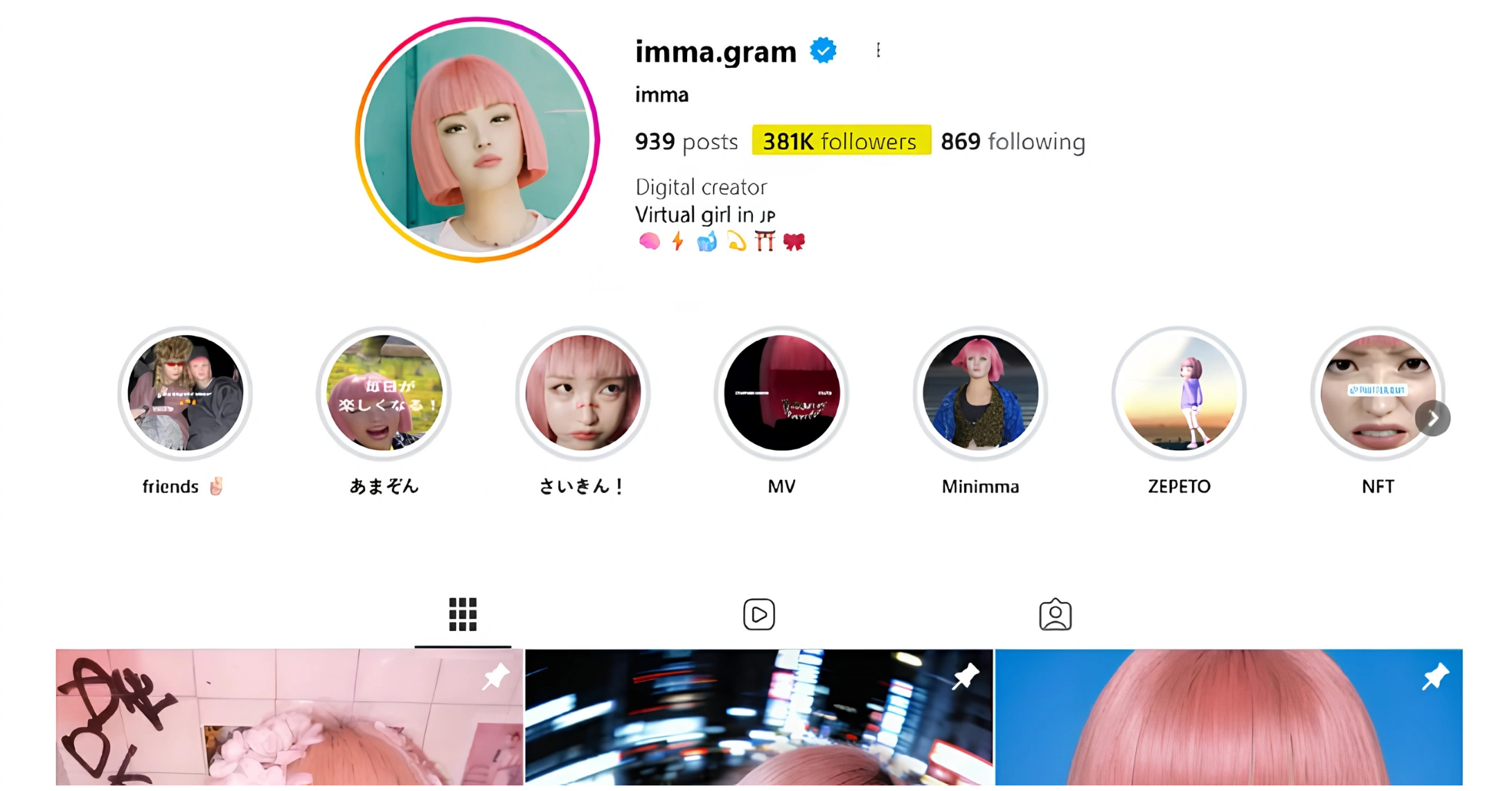
Real brand adoption at the top end. This is no longer experimental. Lil Miquela did an Instagram takeover for Prada during Milan Fashion Week and has worked with Samsung, Calvin Klein and Dior. Coach built an entire global campaign, “Find Your Courage,” around the virtual human imma, created by Japanese studio Aww Inc. Prada’s collaboration with Lil Miquela reportedly generated around 30% higher engagement than the brand’s campaign average.

Lower scandal risk and total control. A virtual persona does not have a resurfaced 2012 post, a DUI, or an opinion the brand did not approve. Among WFA member brands who find AI influencers appealing, the top draws are cost efficiency (77%), reduced risk of influencer scandals (58%) and scalability (58%).
There is also a genuine engagement case, with a large caveat that Section 2 gets to. On general content, virtual influencer campaigns average around a 5.67% engagement rate against 1.89% for human creators, roughly three times higher.
The Trust Problem
Influencer marketing works because it is word of mouth at scale. The mechanism is not reach. Reach is what media buying is for, and it is cheaper. The mechanism is that a recommendation from a person you follow carries an implicit claim: I used this, and I am telling you about it.
An AI influencer cannot make that claim. Not because of a technology gap that will close, but structurally. Recent academic work on virtual influencers puts a name to it: proximal sensory capabilities, the ability to touch, taste, or smell. A virtual influencer composed of code cannot experience the texture of a fabric or the taste of a drink. It can say the words. It cannot have had the experience the words refer to.
That gap shows up in the numbers the moment money enters the frame. Virtual influencers beat humans on general engagement, but the advantage inverts on sponsored content, where human creators generate substantially more engagement than AI ones. The clearest illustration is BMW’s campaign with Lil Miquela: she recorded a 0.6% engagement rate on it, while human creators working with the same brand generated 3.6%.
Read those two findings together and the picture is coherent. Novelty drives engagement with virtual influencers when the content is entertainment. Novelty does not survive contact with a purchase decision. People will watch a CGI character. They will not take her word for it.
If trust is the variable, measure it. The trust question is not limited to AI personas. Human creators can have purchased audiences, hollow engagement, and no real influence over the people counted in their follower number. See how Favikon scores authenticity for how that gets quantified rather than guessed at.
When It Actually Backfires
Brand caution here is well documented, and it is worth being precise about what the data says, because this stat gets misquoted often.
The World Federation of Advertisers surveyed its members on AI influencers. Just 15% had tested them and 60% had no plans to. Separately, 96% cited concerns about consumer trust and acceptance, with authenticity (73%) and brand reputation risk (58%) also weighing heavily. Only 22% had internal guidelines governing AI influencer use, while 78% said they would disclose when an influencer is AI-generated. The sample is small and senior: 33 respondents from 27 multinational brands.
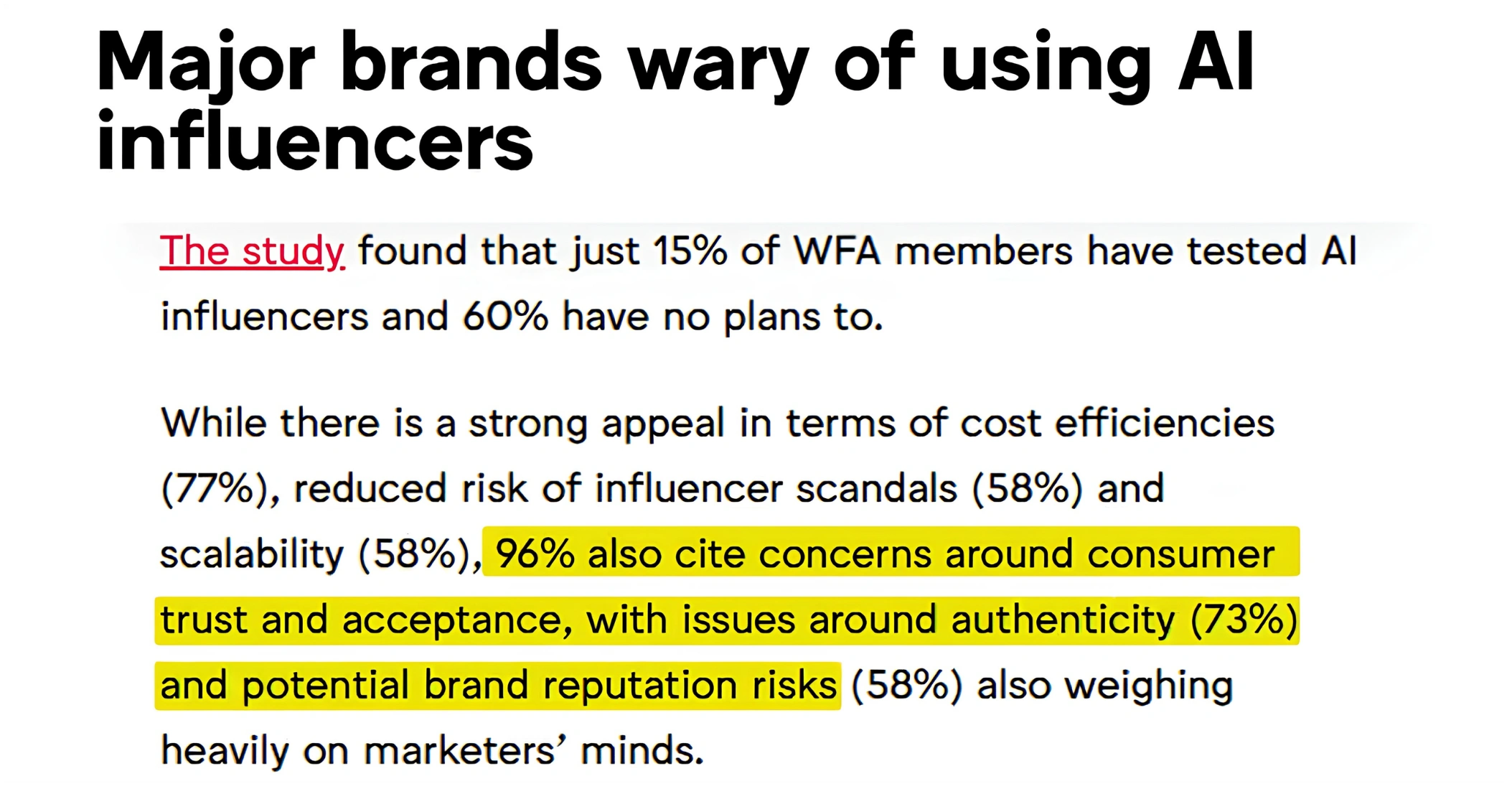
So the accurate framing is not that almost every brand refuses to use AI influencers. It is that a majority have no plans to, and almost all of them, including the enthusiasts, are worried about trust.
For what that risk looks like in practice, consider the NMDP campaign. In 2025 the bone marrow donation nonprofit formerly known as Be The Match partnered with Lil Miquela on a leukemia awareness campaign in which the character narrated a diagnosis, the search for a donor, and treatment. The team took real precautions: the tagline was “She’s not real, but the crisis is,” posts carried overlaid text clarifying that the symptoms were dramatized, and real patient and donor voices were featured alongside.
It still drew significant backlash. Commenters argued the campaign did not honor the patient experience, and the nonprofit acknowledged that some of Miquela’s own followers had not realized she was AI. Notably, the sentiment partly recovered when people who had lived with blood cancers weighed in on the awareness value. The lesson is not that the campaign failed outright. It is that even with careful disclosure and a nonprofit cause, using an AI persona to narrate lived human experience triggered exactly the authenticity objection the WFA data predicts.
The AI Influencer Fit Test
Most coverage of this topic ends at “it depends.” Here is what it depends on. Before greenlighting an AI influencer campaign, run it through three questions. If any answer is wrong, the campaign is structurally mismatched to the format, and no amount of production budget fixes it.
THE AI INFLUENCER FIT TEST
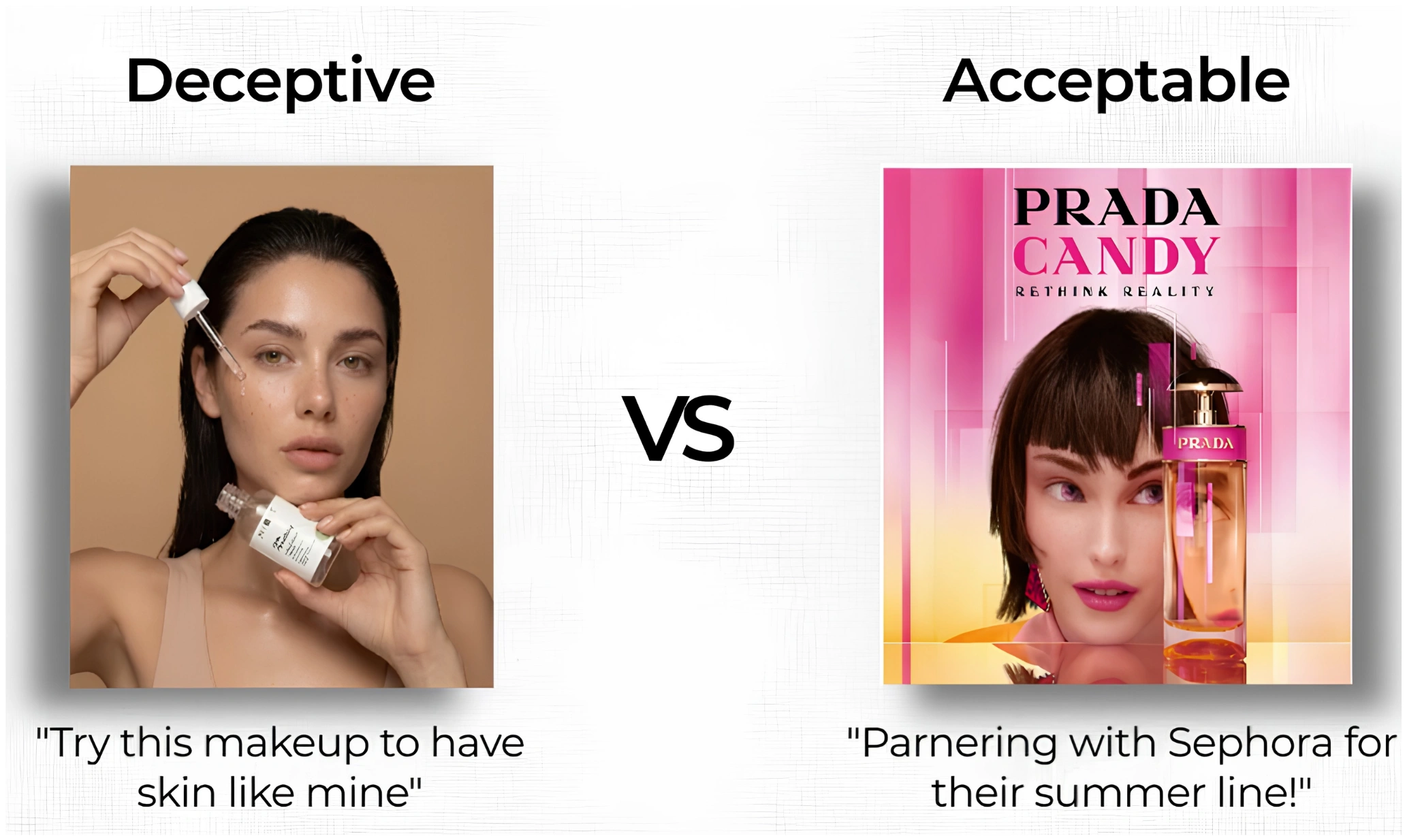
1. Does this require the influencer to have actually used the product?
If the campaign rests on a lived claim (this moisturizer cleared my skin, this tool saved me six hours a week), an AI persona cannot carry it. It can only assert it. Skincare, food, fitness, and software demos all fail here. Fashion, gaming, entertainment, and identity-led brand storytelling often do not.
2. Does the AI influencer have a strong enough character to carry the association?
A virtual influencer is intellectual property, not a media buy. It works when the audience is invested in the character. A persona with no narrative, no consistent point of view, and no reason to exist beyond being cheap will not transfer anything to your brand, because there is nothing there to transfer.
3. Can the campaign be framed as association, not endorsement?
Endorsement requires experience. Association requires only proximity and shared meaning. Coach did not have imma claim she uses the bags. It placed her alongside five human ambassadors including Lil Nas X and Camila Mendes and built the campaign around what it means to be real. That is association, and it is the frame that survives scrutiny.
The Coach example is worth dwelling on because it matches what the research predicts. Work from Wharton’s Jonah Berger and colleagues found that virtual influencers are more effective when paired with a companion, which makes them read as more human and more trustworthy. Coach did that with five of them. Pairing was not a creative flourish. It was the mechanism.
Question 2 also has a practical corollary: whatever you shortlist, verify it. Character strength and audience quality are measurable, not vibes. Our Influencer Analytics Platform covers audience quality assessment, and the same discipline applies to human creators, where you should also detect fake followers and bot audiences before signing anything.
AI Influencers vs. Human Influencers: Authenticity Isn’t a Binary
It would be convenient if the rule were “humans are authentic, AI is not.” It is not that clean.
In November 2012, Oprah Winfrey named the Microsoft Surface one of her Favorite Things and tweeted to nearly 15 million followers that she loved it and had bought a dozen as Christmas gifts. The tweet went out tagged “via Twitter for iPad.” Microsoft had spent heavily promoting the device. The endorsement was from a real human being with enormous genuine influence, and it was hollow.
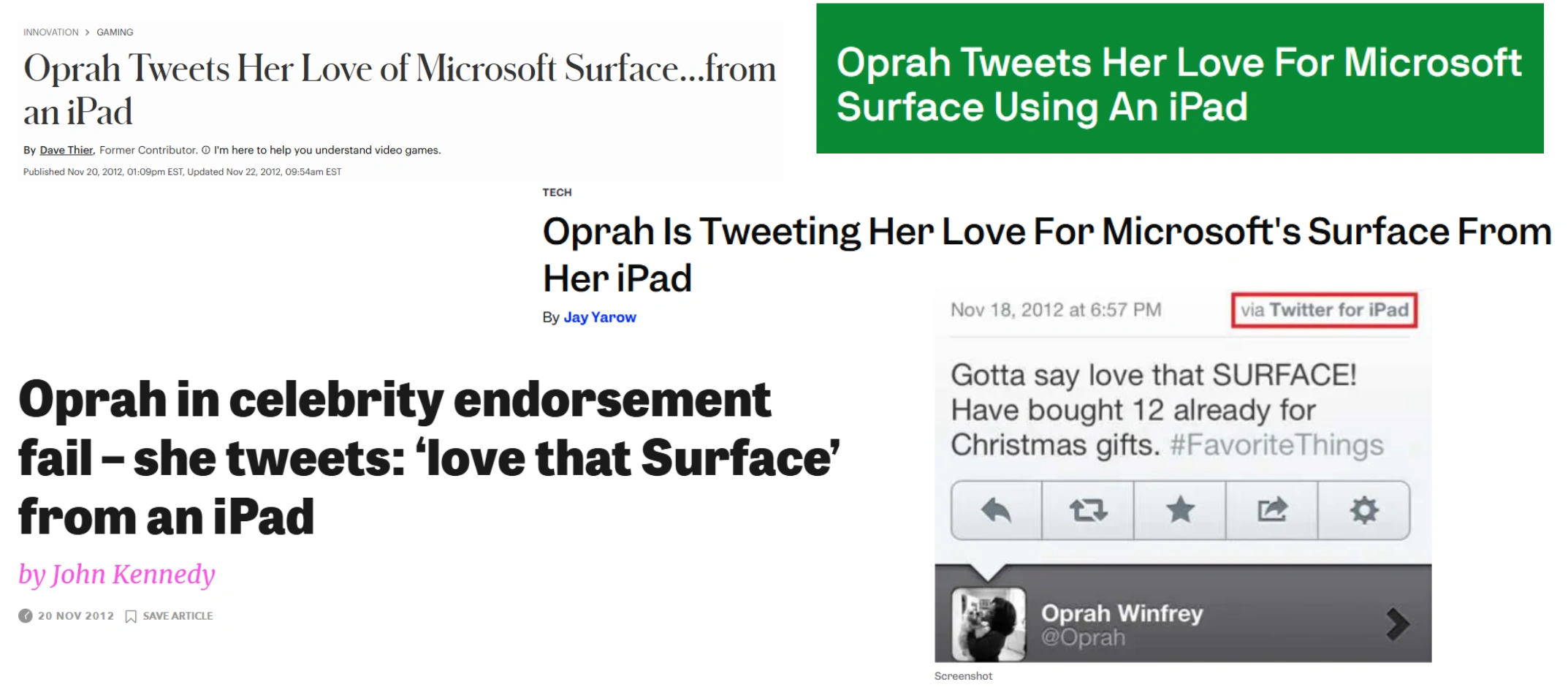
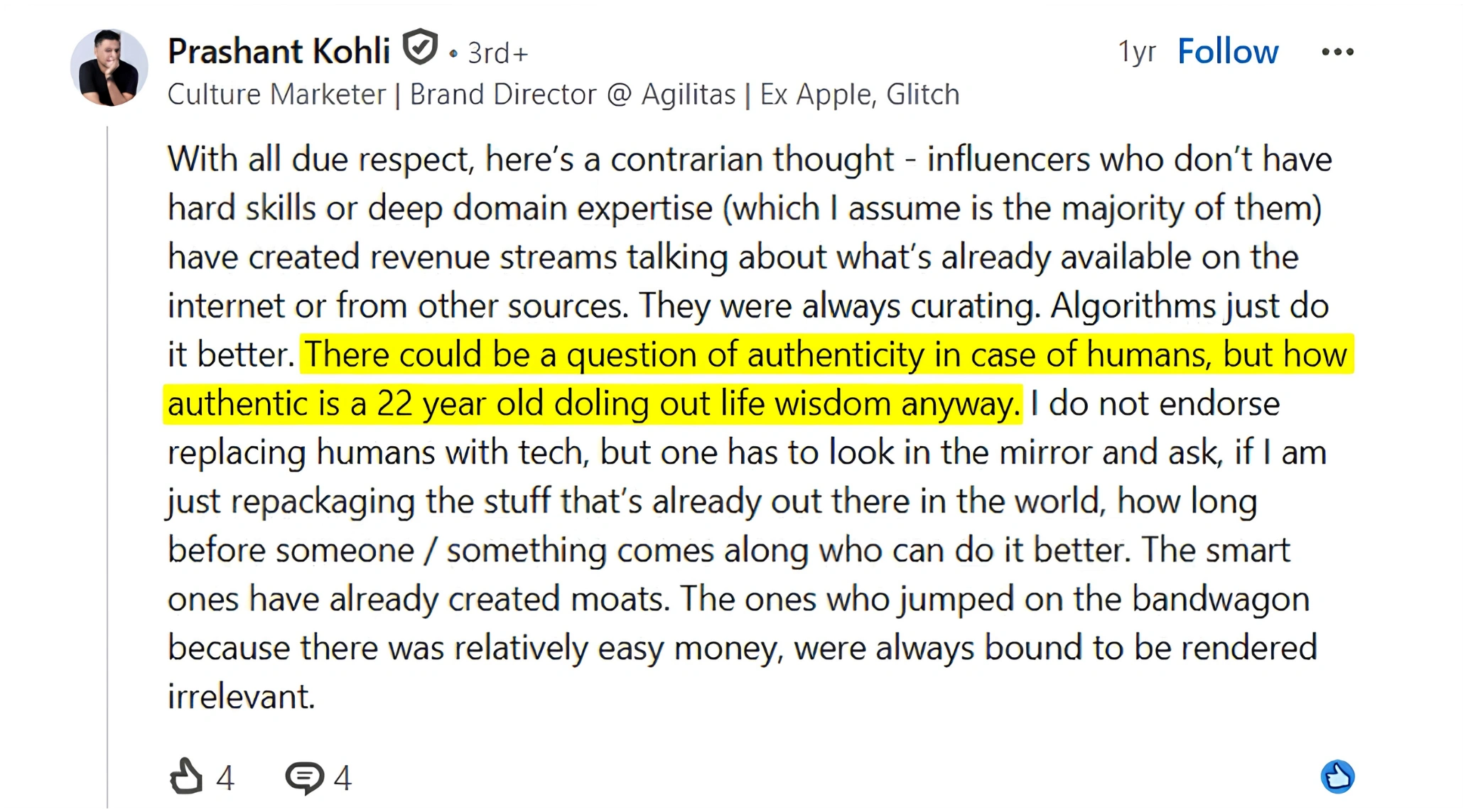
A paid human creator reading a script for a product they opened once on camera is not meaningfully more authentic than a well-built virtual character in an honest association campaign. Authenticity is a spectrum defined by whether the claim being made is true, not by whether the entity making it has a pulse.
The practical implication is that the Fit Test is not really an AI test. Question 1 applies to every partnership you run. If a human creator has not used your product either, you have the same structural problem with better rendering.
For the AI side of a shortlist, our roundups of the top AI influencers to follow and the top AI influencers on Instagram are a starting point for judging which personas have enough character to pass question 2.
FAQ
What are AI influencers?
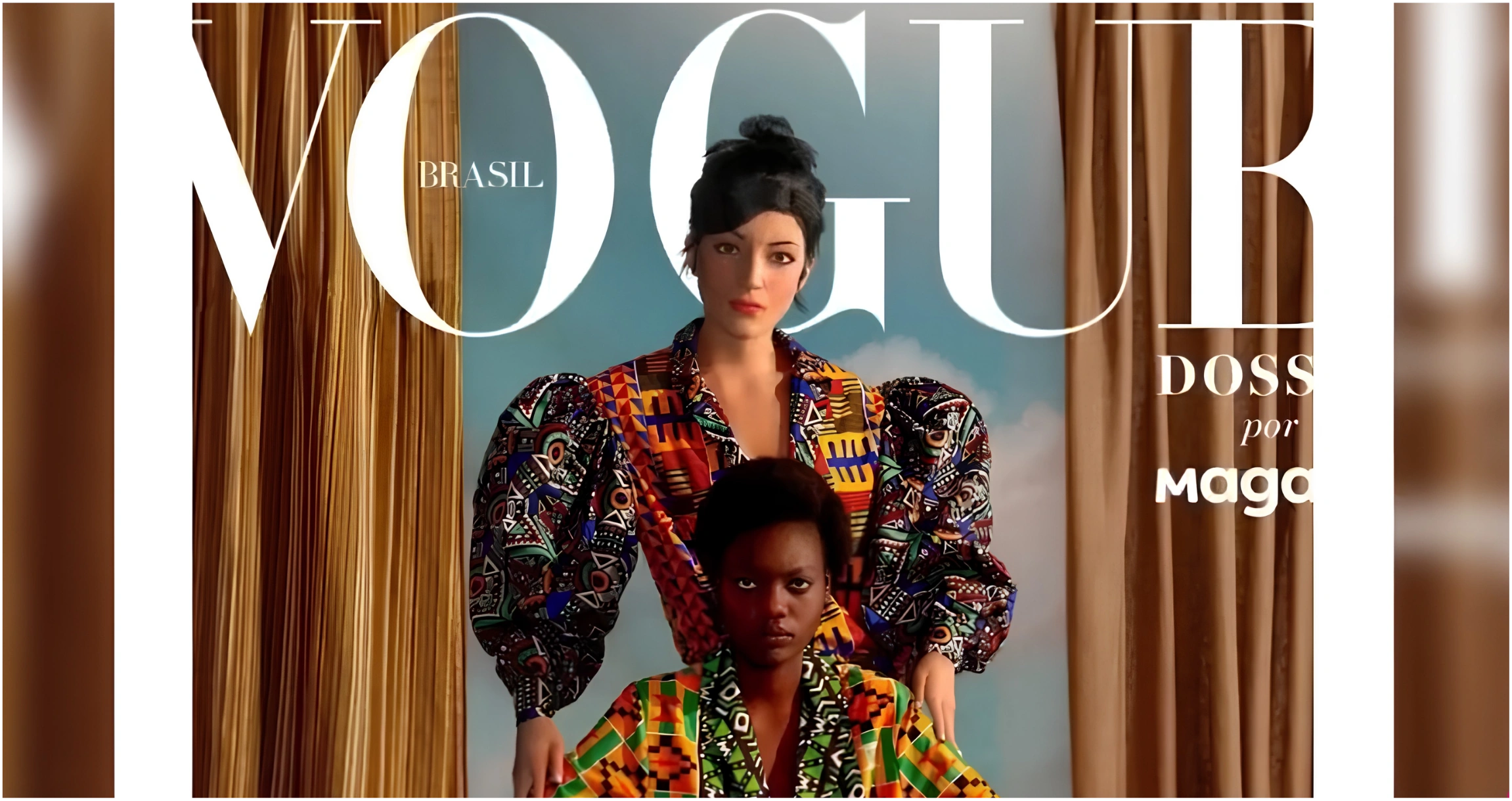
AI influencers, also called virtual influencers, are computer-generated personas with a defined name, appearance, personality, and backstory that operate social media accounts and take brand partnerships. They are built with CGI, generative AI, or a combination, and are scripted and managed by human teams or studios. Well-known examples include Lil Miquela, imma, and Lu do Magalu.
How many AI influencers are there?
There is no authoritative census, partly because the definition is contested and new personas launch constantly. The clearest available marker is at the top of the market: the number of virtual influencers with more than a million followers has grown from roughly 150 in 2023 to over 400, with virtual micro-influencers in the 10K to 100K range reported as the fastest-growing group. Treat any single total you see as an estimate.
Is AI influencer marketing effective?
It depends on what the campaign asks the persona to do. AI influencers perform well on general engagement and on association-led brand storytelling, and they cost far less per asset. They underperform on sponsored content that requires a lived product claim, where human creators generate significantly more engagement. Run the AI Influencer Fit Test above: if the campaign needs the influencer to have actually used the product, an AI persona is the wrong tool regardless of budget.
Others articles