How to track Sales & Conversions in Influencer Marketing in SaaS
This guide explains how SaaS companies track sales and conversions from influencer marketing campaigns. It covers links, tracking methods, and tools used to measure signups and revenue.
.png)

How to track Sales & Conversions in Influencer Marketing in SaaS
Influencer marketing only delivers real value when you can measure outcomes. For product launches, the most important outcome is conversions. This guide explains what conversions are, how influencers drive them with clear CTAs, and how to track them effectively using different methods, including Favikon.
1. What Are Conversions in Influencer Marketing
A conversion is a completed action that matters to your business. The exact action depends on your model.
For e-commerce brands, conversions usually mean purchases. For SaaS companies, conversions can include free trial signups, demo bookings, or paid subscriptions.
In influencer campaigns, conversions help you understand which creators, posts, and platforms actually generate revenue or qualified leads, not just views or likes.
2. How Influencers Add CTAs to Their Posts
Influencers drive conversions by adding clear calls to action, also known as CTAs. A CTA tells the audience exactly what to do next and why they should do it now.
Common CTA formats include:
- “Try it here”
- “Sign up using my link”
- “Get early access”
- “Book a demo today”
.webp)
Well written CTAs feel natural and aligned with the creator’s usual tone. They explain the benefit first, then guide the action.

In the LinkedIn post example by Harry Portch, the CTA is integrated into a short story. The post explains a real problem, introduces a solution, and then invites readers to take action. This structure consistently performs well for B2B and SaaS audiences.
3. Tracking Conversions for E-commerce and SaaS
E-commerce companies usually rely on Shopify to track purchases from influencer traffic. Shopify integrates easily with tracking links and analytics tools.
SaaS companies do not use Shopify, but they still have several reliable options to track conversions from influencers. Below are the three most common approaches.
4. Method 1: Referral Links and Affiliate Platforms
Tools such as FirstPromoter or Rewardful allow you to assign unique referral links to each influencer.

Pros
- Direct tracking of signups, leads, and conversions
- Clear attribution at the creator level
Cons
- No unified campaign data or earned media value visibility
- Influencer platform and affiliate platform are separate
- Creators must sign up on the affiliate tool to receive their link
This method works well for performance driven programs but adds operational friction.
5. Method 2: UTM Parameters
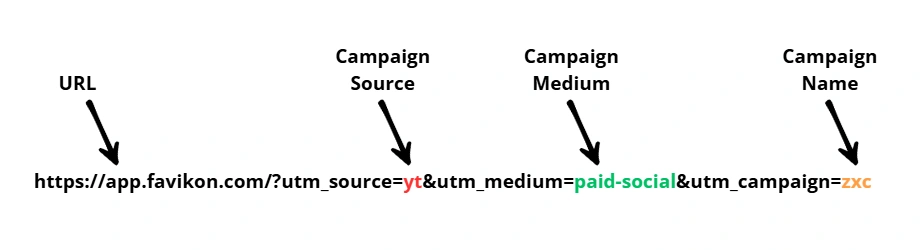
UTM parameters are tracking tags added to URLs and analyzed in Google Analytics 4.
Pros
- Simple concept and easy to create manually
- Works for both e-commerce and SaaS
Cons
- Requires developer setup and internal coordination
- GA4 reporting must be prepared after the campaign
- Requires analytics expertise to interpret results
UTMs are flexible, but they become harder to manage at scale.
6. Method 3: Tracking Conversions with Favikon
Favikon removes most of the manual work from conversion tracking.
Favikon automatically generates a unique UTM link for every creator and every post. You simply send the link to the creator, directly from the platform, while managing the entire campaign in one place.
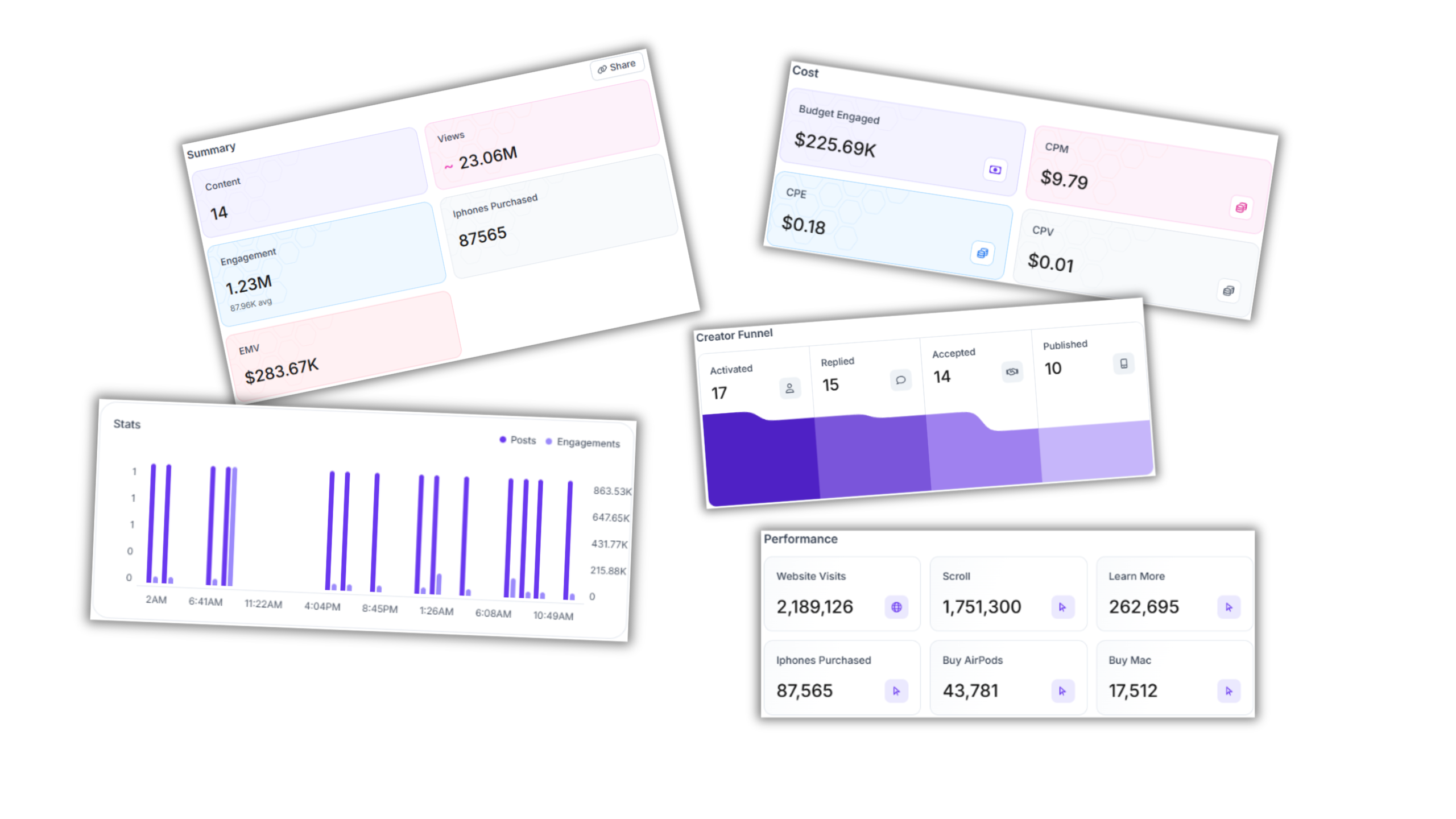
Key advantages include:
- Automatic UTM generation
- Unified campaign and creator visibility
- No need for creators to join external affiliate tools
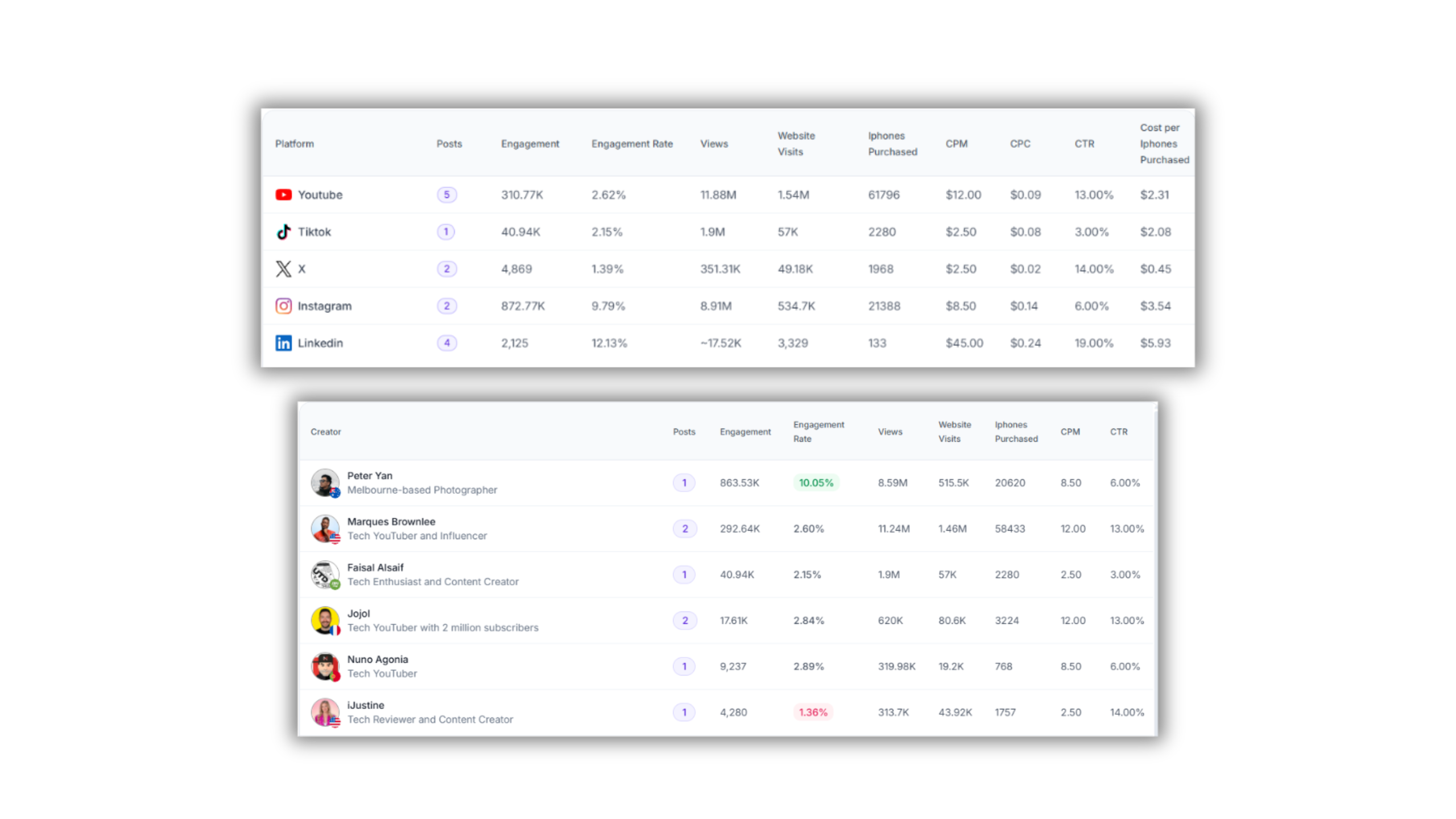
- Centralized reporting across posts and platforms
7. How to Track Conversions Using Favikon Step by Step
To set this up, follow the official Favikon guide:
How to Track Sales & Conversions for Your Influencer Campaigns
You can also watch the full walkthrough video here:
The process includes:
- Connecting your analytics or tracking destination
- Creating a campaign in Favikon
- Generating unique tracking links per creator
- Sharing links directly with influencers
- Monitoring conversions and performance in one dashboard
8. Final Thoughts
Tracking conversions is essential for proving ROI in influencer marketing. Whether you are selling products or software, the right setup helps you understand what truly drives growth.
If you want automated tracking, centralized reporting, and easier collaboration with creators, start with a free trial on app.favikon.com.
Also See 👀
🏆 HOW NOOTA RECRUITED 100+ B2B INFLUENCERS IN 6 MONTHS WITHOUT AN AGENCY
🏆 YOUTUBE INFLUENCER MARKETING GUIDE
HOW DOES FAVIKON RANK INFLUENCERS?
Others articles